

Organisation of Petroleum Exporting Countries (OPEC) and other oil producers agreed on a way to monitor their compliance with last month’s historic supply deal, putting global markets on track to re-balance after more than two years of oversupply. The countries have already cut oil supply by 1.5 million barrels a day, more than 80 per cent of their collective target, since the deal took effect on January 1, Saudi Arabia’s Minister of Energy and Industry Khalid Al-Falih told reporters in Vienna. “Compliance is great - it’s been really fantastic,” Al-Falih said Sunday. “Based on everything I know, I think it’s been one of the best agreements we’ve had for a long time.” Saudi Arabia, Kuwait, Qatar, Algeria and Venezuela met counterparts from non-OPEC nations Russia and Oman to find a way to verify that the 24 signatories to their December 10 accord are fulfilling pledges to remove a combined 1.8 million barrels a day from the market for six months. They intended to prove the OPEC is serious about eliminating a global glut and dispel scepticism stemming from previous unfulfilled promises. (Grant Smith, Angelina Rascouet and Anna Shiryaevskaya/Bloomberg)

 Nakheel begins handover of 892 homes at Jebel Ali Village
 Indian state shuts some Domino's, Pizza Hut outlets, citing hygiene lapses
 ADNOC's XRG advances global gas strategy with Venezuela entry
 Iger, Kushner purchasing Lakers for record $12.5 billion
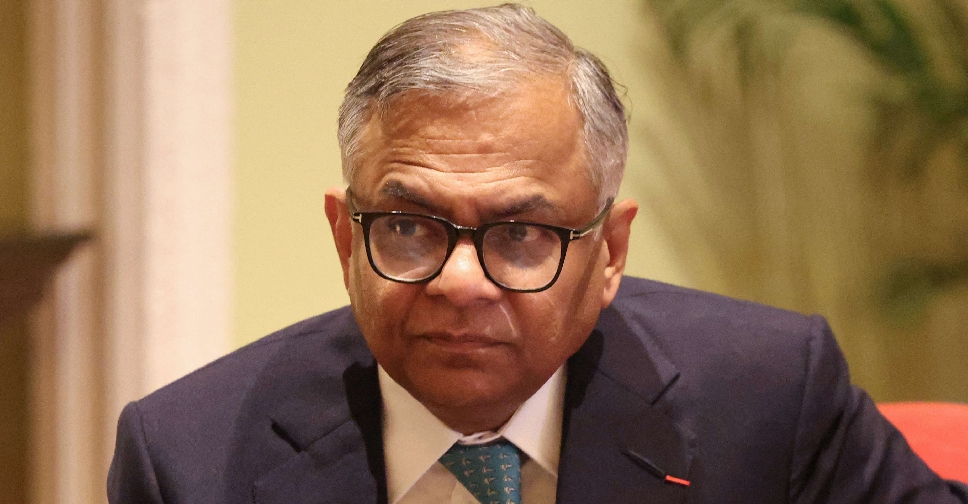 Chair of India's Tata to step down after tension with controlling charity