Demonstrations began across France on Saturday in what was expected to become a major nationwide protest against high prices and the fraying of a model intended to provide a basic level of opportunity and social security.
The protests began last month at high schools in Paris' poor northern suburbs, where anger over teacher absences and shabby facilities quickly morphed into a nationwide movement against inequality, weak public spending and falling standards.
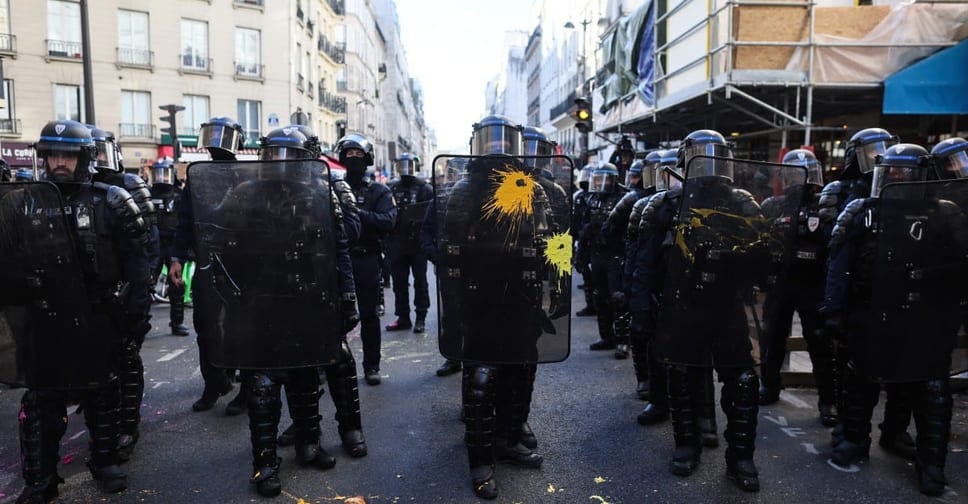
A large police presence was visible in central Paris, especially near landmarks such as the Avenue des Champs-Elysees and the Arc de Triomphe, which were excluded from the routes of the two official demonstrations.
Hundreds of other protests were planned across France, with tens of thousands set to participate. Protesters in hi-vis vests blocked streets, an echo of the unrest that dogged President Emmanuel Macron's previous term, while in Marseille, trash cans were set alight.
"We are fighting because the cost of living is too harsh, because the price of fuel is too high, because high school pupils are being violently attacked and hurt all over the country just for trying to protest and ask for more teachers and decent learning conditions," said a 19-year-old protester in Paris who gave her name as Lola.
Macron is entering the final stretch of his presidency, leaving behind a polarised electorate and a badly fragmented political landscape. A long struggle to reduce rising public debt has not impressed investors, who are ditching French bonds, driving borrowing costs to their highest levels in more than two decades.
Prime Minister Sebastien Lecornu said on Thursday that authorities fear unrest during the protests. The government accused the hard-left France Unbowed of inflaming the protests, an accusation it denies.
HIGH LEVEL OF VIOLENCE IN FRENCH STUDENT PROTESTS
The police have drawn criticism for their response due to a grisly list of injuries among demonstrators, including one adolescent who had his hand blown off after picking up a stun grenade. Lecornu said more than 900 police had also been injured.
The internal police watchdog is investigating at least two dozen cases of alleged police violence. France suspended the use of stun grenades for the student demonstrations, but Interior Minister Laurent Nunez said they could be used on Saturday.
"If there were to be clashes, all types of intermediate weapons can be used," he told Telematin TV on Friday.
Calls on social media for members of past protest movements to join the fray appear to have worked, suggesting the protests could grow significantly.
The Yellow Vest movement started in 2018 as a protest against taxes on diesel before expanding into an outpouring of anger at high living costs and income inequality. However, things have been largely quiet since Macron agreed to billions of euros in tax cuts.
Yannick Maillou, a teacher from La Crèche in western France, joined the Yellow Vests in 2018 and remains involved in the movement. He said there were several nearby meeting points for protesters on Saturday, with unions also calling for participation.

 At least 17 killed in stampede at festival in India's Kolkata
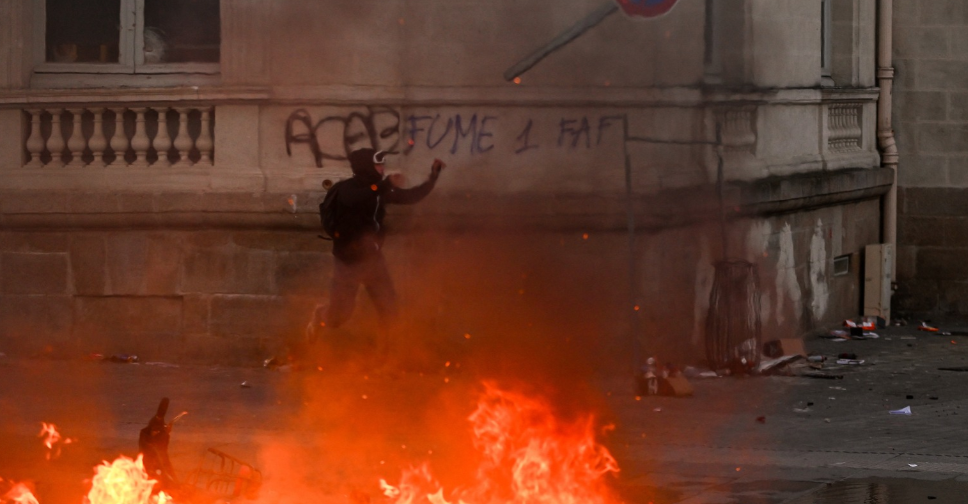 French police clash with protesters as thousands rally over cost of living
 Egypt's Sisi says his presidency will end in 2030
 Kenya confirms 4 new Ebola cases, bringing total number to 7
 Trump waives key Russia-related sanctions, tariffs before they take effect