
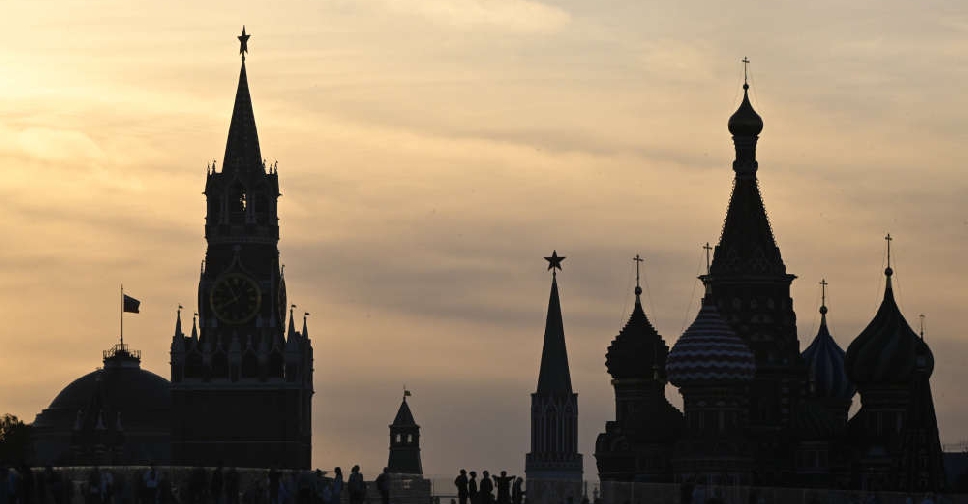
Russia does not recognise arrest warrants issued by the International Criminal Court (ICC) for two Russian commanders suspected of war crimes in Ukraine, the Kremlin said on Wednesday.
The ICC said on Tuesday it had issued arrest warrants for top Russian commanders Sergei Kobylash and Viktor Sokolov for missile strikes against Ukrainian electricity infrastructure.
Kremlin spokesman Dmitry Peskov said that as Russia was not a party to the Rome Statute, which established the ICC, Moscow did not recognise the warrants.
"We are not parties to the statute - we do not recognise this," Peskov told reporters when asked about the ICC warrants.
"This is not the first decision. We also know that there are various closed processes going on there, which are kept secret, and we treat such decisions accordingly."
In March last year, the ICC issued warrants for the arrest of President Vladimir Putin and Russian Children's Commissioner Maria Lvova-Belova on war crimes charges related to the abduction of Ukrainian children.
The Kremlin dismissed those warrants as outrageous at the time. Russia denies war crimes in Ukraine and has dismissed previous ICC arrest warrants as part of a biased Western campaign to discredit Russia.
Russian officials say such warrants have little real world impact and note that no senior US officials have been brought to justice for alleged war crimes in the wars in Iraq or Afghanistan.
The ICC on Tuesday said the attacks on Ukraine's electrical grid caused civilian harm and damage that would have been clearly excessive to any expected military advantage.
Exact details of specific incidents and possible victims have been kept secret to protect witnesses and safeguard the ongoing investigations, the statement added.
The Geneva conventions and additional protocols shaped by international courts say that parties involved in a military conflict must distinguish between "civilian objects and military objectives" and that attacks on civilian objects are forbidden.
The ICC prosecutors want the charges to label the strikes not only as war crimes but also as crimes against humanity because they say they were part of a state policy of widespread attacks on the civilian population.

 Kenya confirms first Ebola case
 UK police make further arrest over suspected Fairford airbase plot
 Students and teachers march in France on biggest day of high school protests
 'Ghost particle' hunter Francis Halzen wins 2026 Nobel Physics Prize
 Saudi Arabia says 2 airports targeted as fighting with Yemen's Houthis escalates