Conflicting signals from the US and Iran over the status of talks to end their five-month-old war boosted uncertainty on Tuesday, with the latest attack on shipping in the Strait of Hormuz highlighting risks to global energy flows.
US President Donald Trump said the talks were under way on Monday, warning of a "last chance" for Tehran to sign a good deal, but Iran denied that negotiations were being held or planned.
"They are going on right now," Trump told reporters at an Oval Office event when asked about the state of negotiations, saying the sides were talking at the request of Iran, Saudi Arabia and Qatar, among others.
"This is a last chance for them (Iran) to sign a good document."
The comments followed Trump's weekend decision to call off "massive attacks" he said he had authorised on Iran, as talks were to be held, repeating a pattern in which he has vowed major strikes only to cancel them.
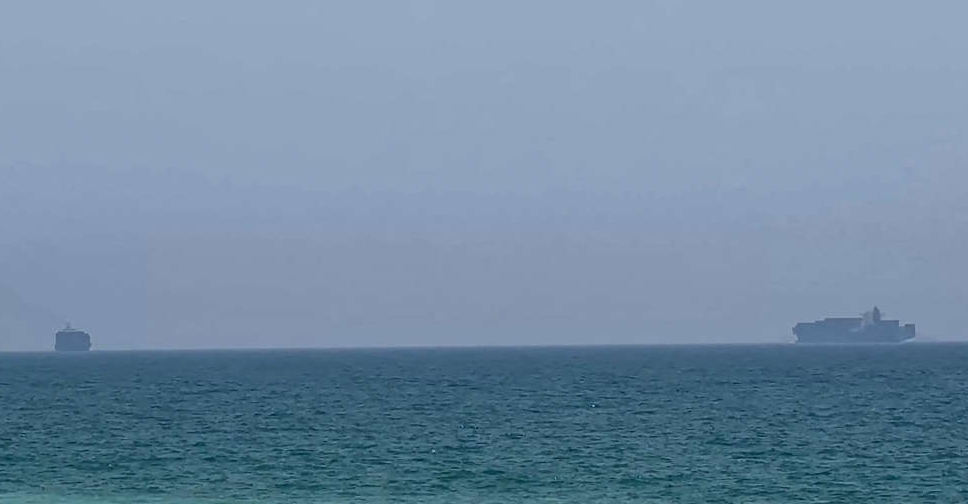
Shipping activity in the Gulf only reinforced the ongoing stand-off since Iran all but shut off transits through the vital route for a fifth of global shipments of crude oil and natural gas before it was blockaded in the war.
One cargo vessel broadcast it had been hit by an unknown projectile near the strait off Oman's coast, the United Kingdom Maritime Trade Operations (UKMTO) agency said.
Traffic through Hormuz remained largely slow, with three tankers and three bulk carriers among the six vessels transiting the strait on Monday, down from seven the previous day, Kpler data showed.
STOCKS RISE, OIL DOWN ON HOPES FOR RESOLUTION
Still, hopes that US-Iran tensions were easing again pushed down oil prices, while major stock indexes gained on Monday.
Brent crude futures fell about 7 per cent to around $83.77 a barrel while the Dow closed at a record high. Asian stocks and oil prices both edged higher on Tuesday.
Gulf officials and analysts say Iran is betting it can outlast Washington by turning the Middle East's trade routes, shipping lanes and energy infrastructure into pressure points that steadily raise the cost of confrontation.
It hopes such a strategy will convince the United States and its allies that containing the crisis is more costly than accommodating Iran's demands over the Strait of Hormuz.
"Their big advantage is that they can hurt the regional states and the global economy," said Michael Knights of the Washington Institute.
In a post on Truth Social later on Monday, Trump called Iran's leadership "unbelievably duplicitous," saying they had asked for a meeting and more talks were set for the "immediate future".
REPEATED PATTERN
Monday's events appeared to fit a pattern since Trump launched "Operation Epic Fury" alongside Israel more than five months ago. Trump has threatened military action several times, only to later cite diplomatic contacts as a reason to step back.
Iran, however, has publicly rejected negotiations with Washington since the collapse in early July of a memorandum of understanding both signed the previous month, aimed at ending the conflict.
Trump has yet to achieve the objectives he set out at the outset of the war: dismantling Iran's nuclear programme, curbing its ability to attack regional rivals and creating conditions for Iranians to overthrow their clerical rulers.
Repeated US actions have been met by escalating Iranian responses against US forces in the region, Washington's Gulf Arab allies and shipping, each time ending with Trump stepping back.
The Hormuz dispute remains a central point of contention, with Washington saying the June memorandum required Iran to open the strategic waterway, while Tehran says the text explicitly preserved its authority over shipping traffic.

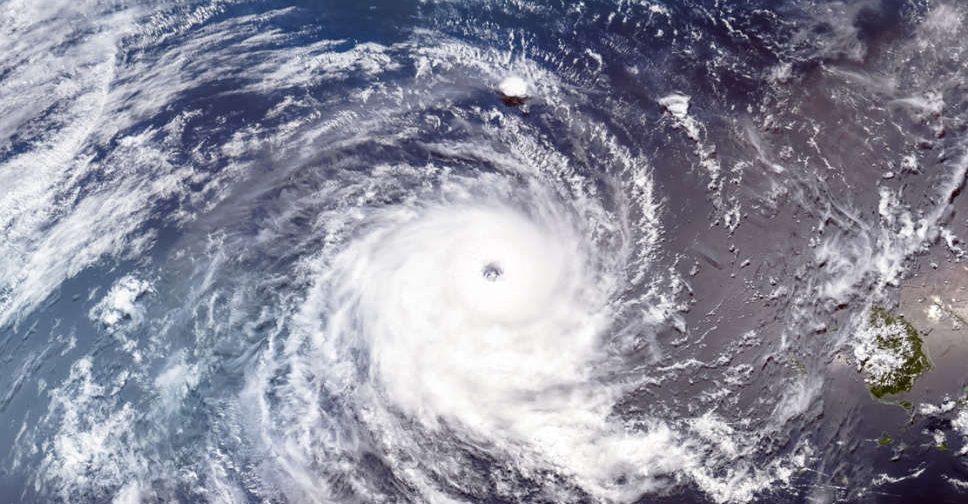 India to evacuate thousands as Cyclone Arnab nears eastern coast
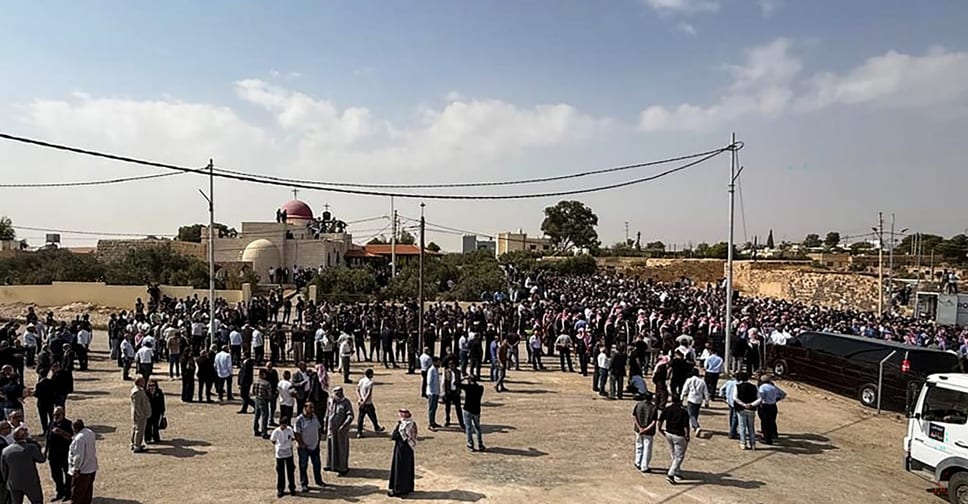 Jordan arrests 3 over Karak church attack, state TV says
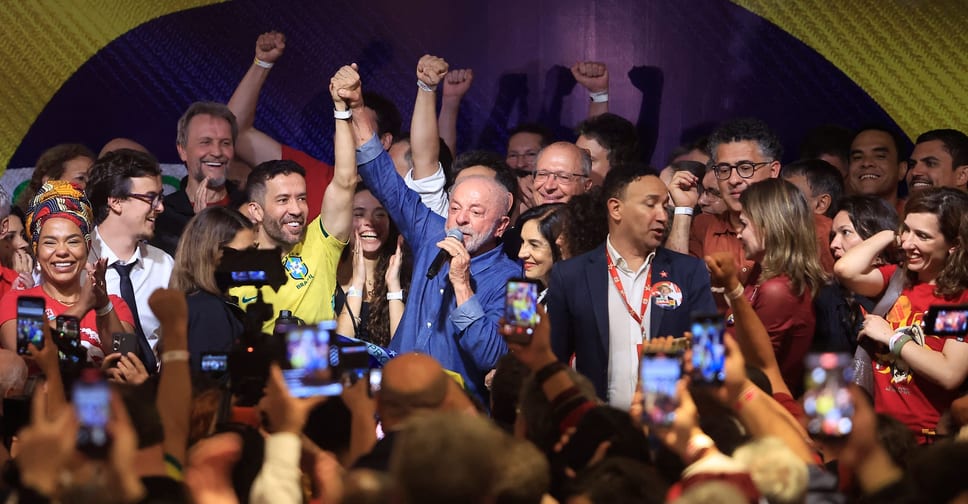 Brazil's working class president Lula wins historic fourth term
 Serbia's Vucic concedes defeat in historic election win for student protest movement
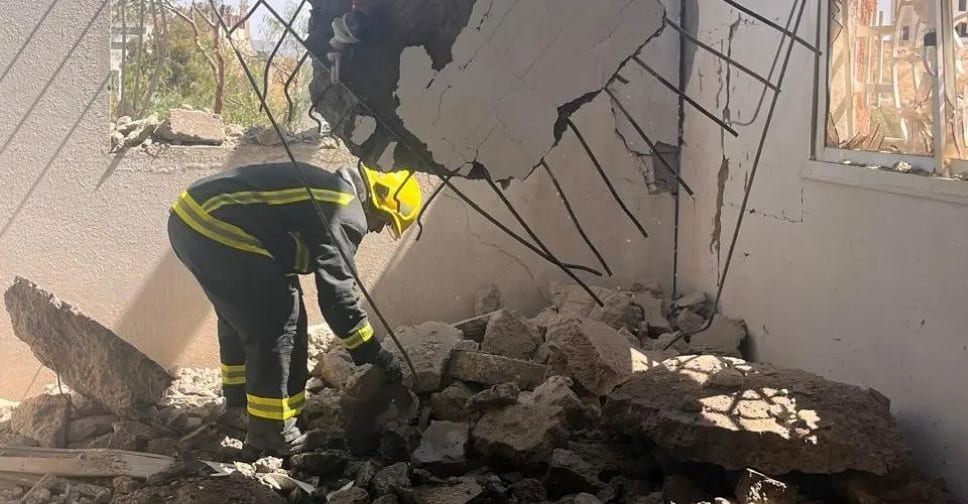 Two injured from falling debris as missiles intercepted in Saudi Arabia