

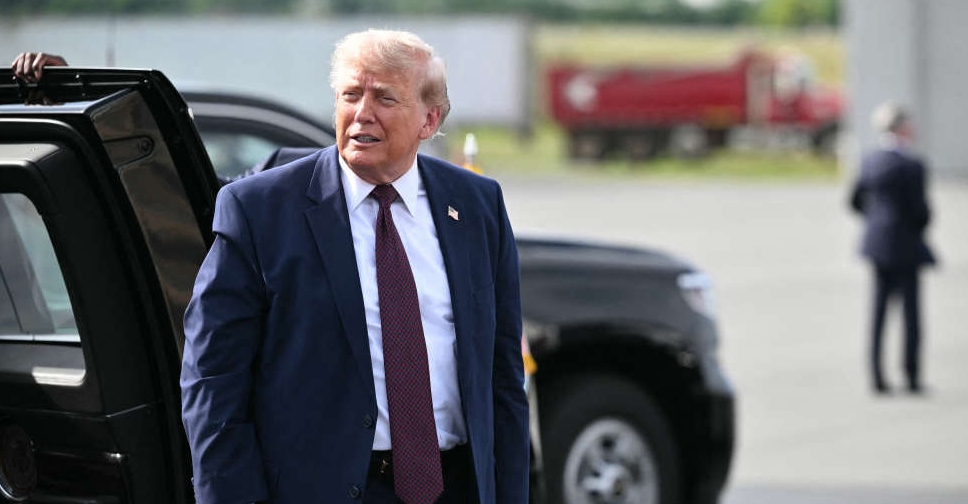
US President Donald Trump has stated on Tuesday that Iran had agreed to nuclear inspections into "infinity," while Tehran said it had made no such concession in negotiations, raising questions about the viability of their fragile peace deal.
The two countries, which held a first round of negotiations in Switzerland that ended on Monday, also offered conflicting accounts about financial incentives for Iran, control of the Strait of Hormuz, and Israel's parallel war in Lebanon, all major aspects of the framework deal they signed last week that aims to end the war.
Nevertheless, Trump said negotiations were going smoothly with Iran. "We're getting along quite well," he said at a rally in Pennsylvania.
The US also relaxed travel restrictions on Iran's World Cup soccer team, allowing the squad to travel from Tijuana, Mexico, to Seattle two days before its next match instead of one.
In signs of withering domestic support for the war, Trump's poll numbers weakened while the Republican-controlled Senate defied the president and voted to halt the war, in a largely symbolic move that highlighted fissures in his party.
The Senate vote of 50-48 endorsed a resolution that passed the House of Representatives early this month, reflecting growing concern even among some of Trump's Republicans about the unpopular conflict that began on February 28.
It was the first time both chambers of Congress had passed a resolution directing a president to remove US armed forces from hostilities under the War Powers Act, though it was not immediately clear how the votes might affect the conflict.

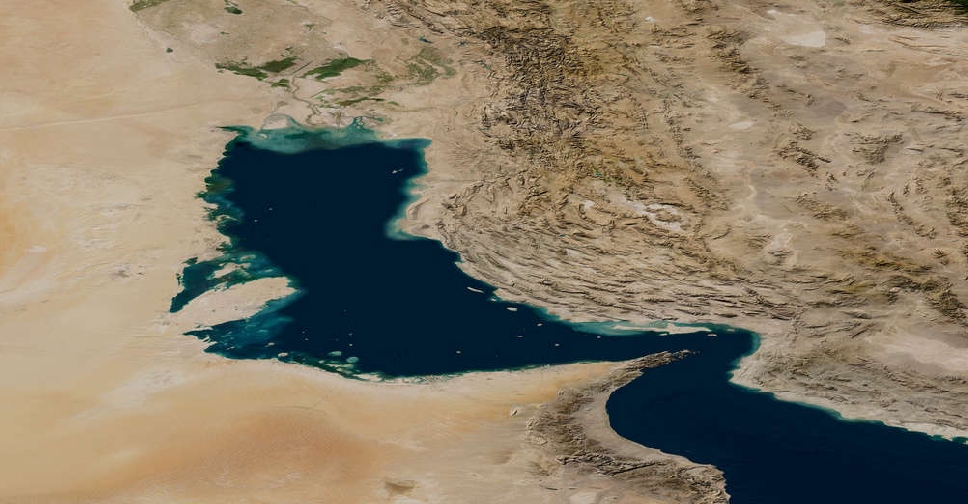 Oman establishes temporary shipping corridor through Strait of Hormuz
 Libya's eastern government bans entry of nationals from four African countries
 New Lebanon-Israel talks begin in shadow of US-Iran deal
 EU hosts Taliban officials in Brussels for first time
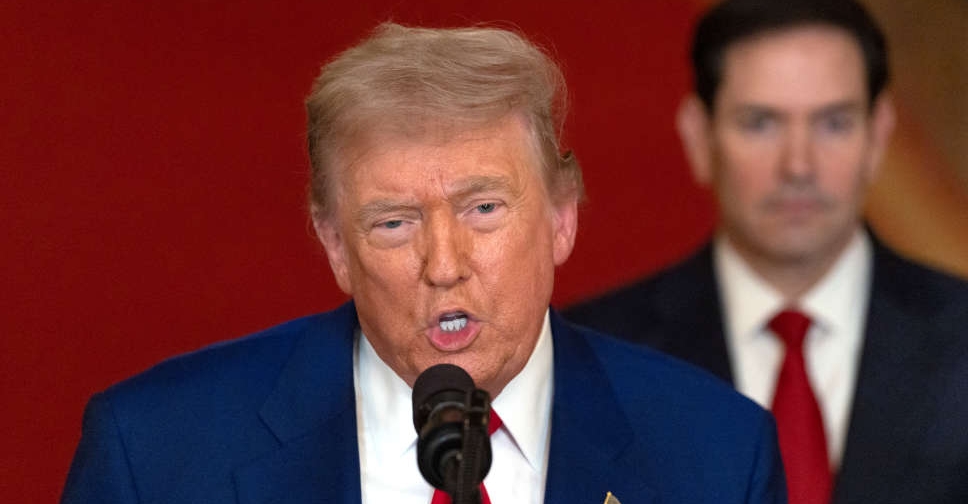 US waives Iran sanctions, Trump warns Tehran it must abide by agreement