

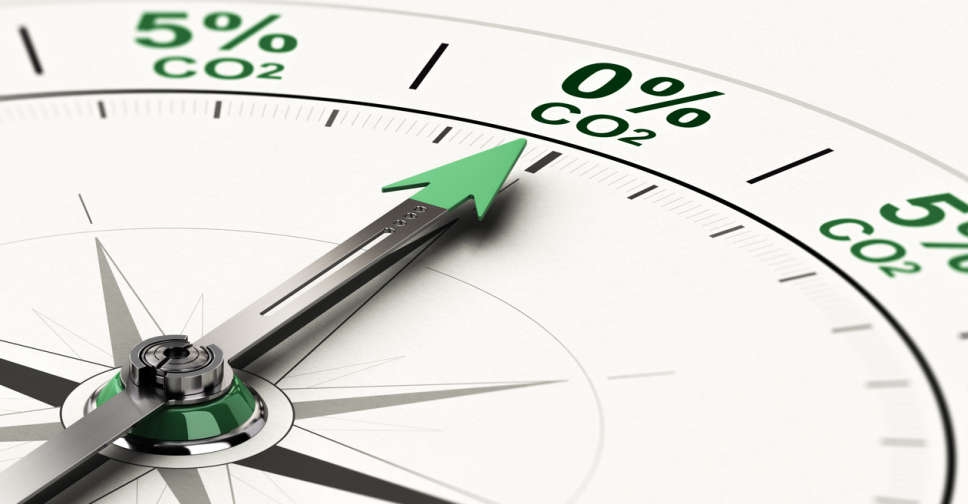
Emirates Water and Electricity Company (EWEC) has announced that, for the first time, over 60 percent of the total power demand was delivered from renewable and clean energy sources.
The achievement was announced this month, with a generation of approximately 5.5 gigawatts (GW) of the total 8.6GW system power demand being supplied from EWEC’s solar power and nuclear energy plants.
Othman Al Ali, Chief Executive Officer of EWEC, said that this achievement is a true testament to EWEC’s strategic initiatives that prioritise carbon-free technologies in support of the UAE’s sustainable and economic objectives.
“We are proud to play a pivotal role in the country’s energy transition by growing and diversifying our world-leading utility-scale renewable energy projects. This significant milestone demonstrates the country’s wise leadership in tackling climate change through actionable plans to achieve the UAE Net Zero by 2050 strategic initiative, ensuring the prosperity and sustainability of our country for generations to come,” he added.
EWEC commissioned the development of three of the world’s largest single-site solar power plants. Noor Abu Dhabi began commercial operations in 2019, generating approximately 1GW (AC) of electricity. Al Dhafra Solar PV will be the new world’s largest single-site solar power plant, with a generation capacity of roughly 1.5GW (AC) and is currently under construction. Once fully commercially operational, Al Dhafra Solar PV will reduce carbon emissions by 2.4 million metric tonnes per year, equivalent to removing approximately 470,000 cars from the road.
In May 2022, EWEC invited developers or developer consortiums to submit an Expression of Interest (EOI) for developing a new Solar Photovoltaic (PV) Independent Power Project to be located in the Ajban area, Abu Dhabi. Al Ajban Solar PV will be in a similar size and generation capacity to Al Dhafra Solar PV.
EWEC forecasts that its solar power projects, combined with the addition of nuclear power to the Barakah Nuclear Energy Plant grid, will reduce carbon emissions to around 20 million tonnes by 2025 from more than 40 million tonnes in 2020.
The Barakah Nuclear Energy Plant is the first nuclear energy plant in the Arab world and consists of four APR1400 nuclear reactors.


 UAE President, King of Bahrain discuss stronger ties and regional stability
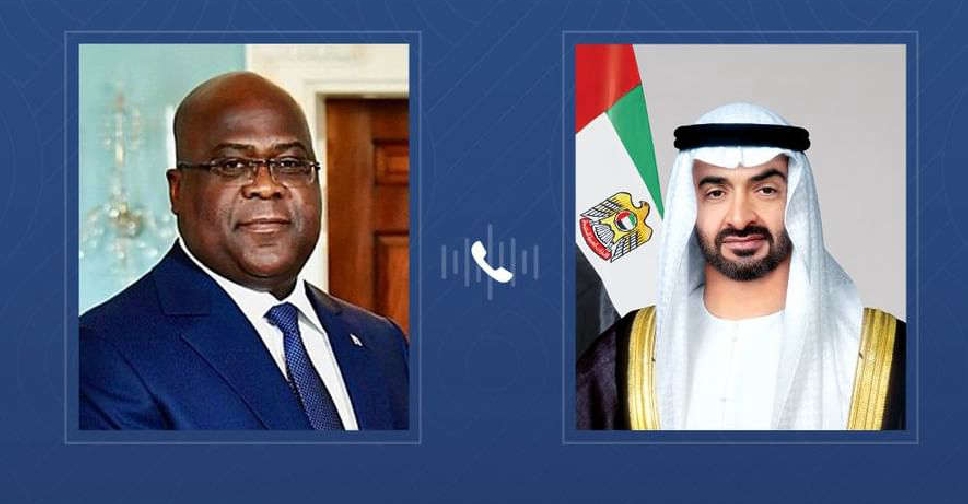 UAE, DR Congo Presidents discuss strengthening cooperation under CEPA
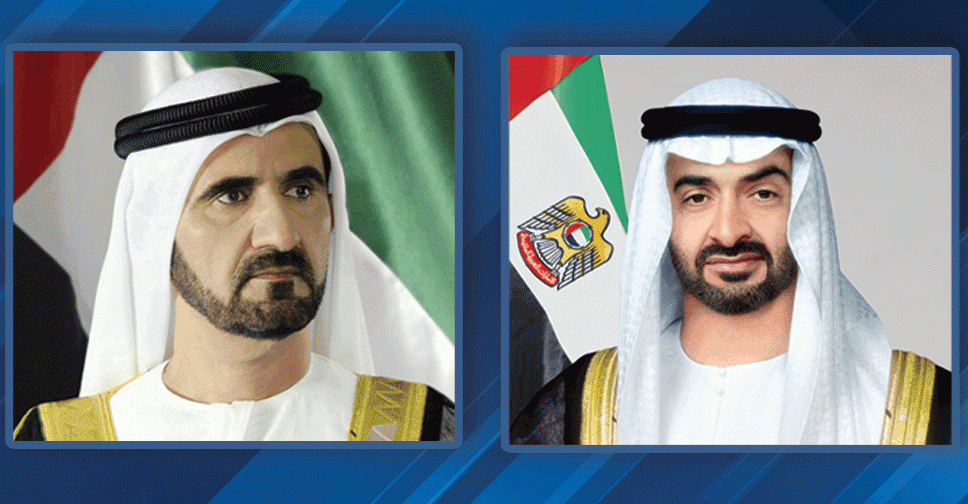 UAE leaders highlight youth's role central to nation's future
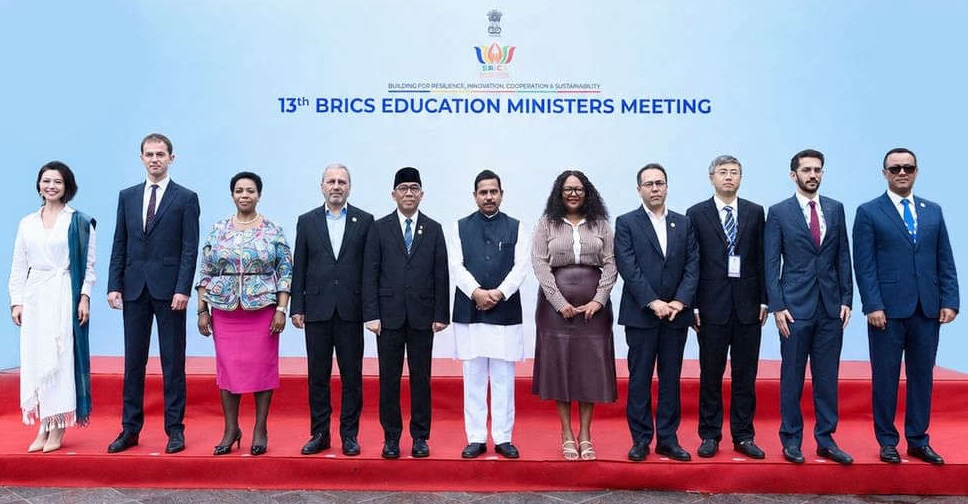 UAE highlights flexible, skills-based education model at BRICS meeting
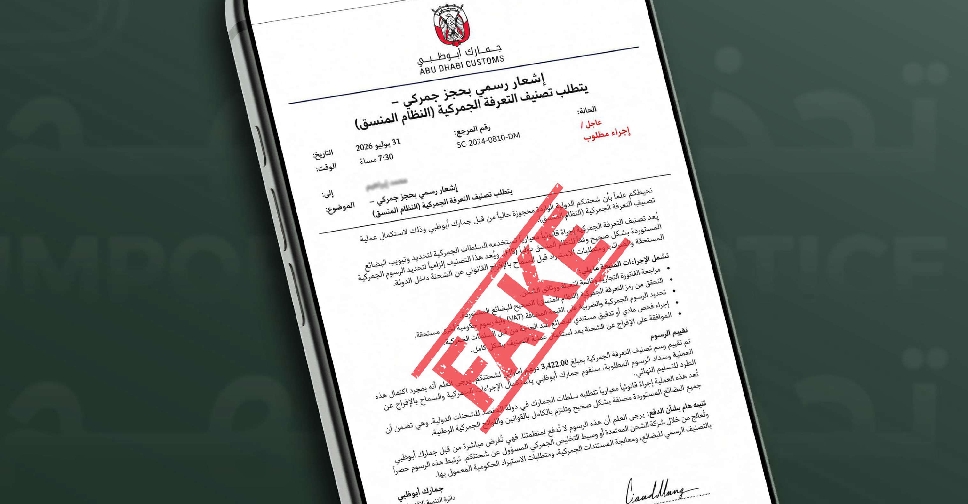 Abu Dhabi Customs raises alert over fraudulent messages
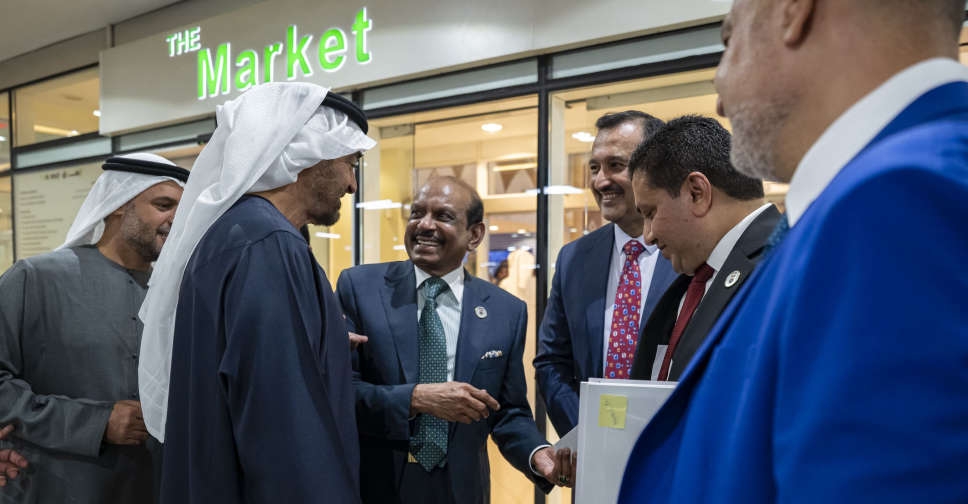 UAE President meets Lulu founder Yusuff Ali during Abu Dhabi store visit
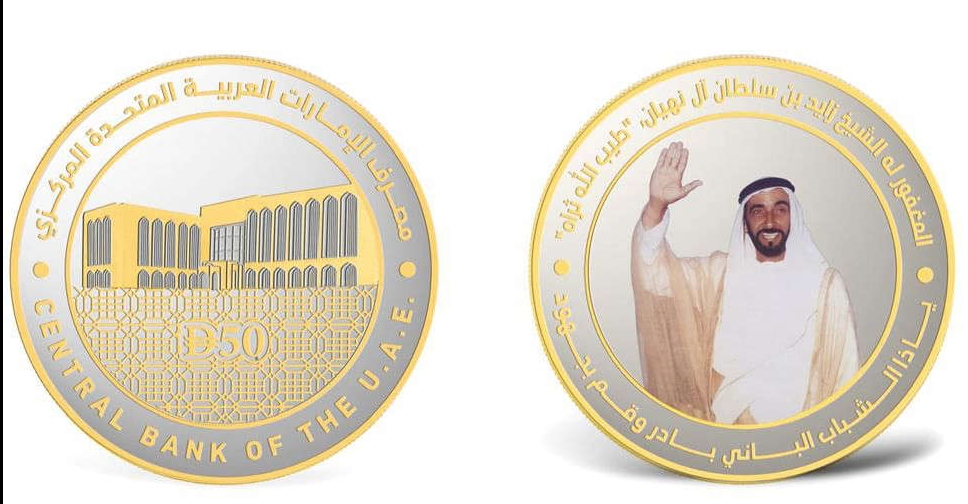 UAE issues special coins to mark contribution of youth in country's progress
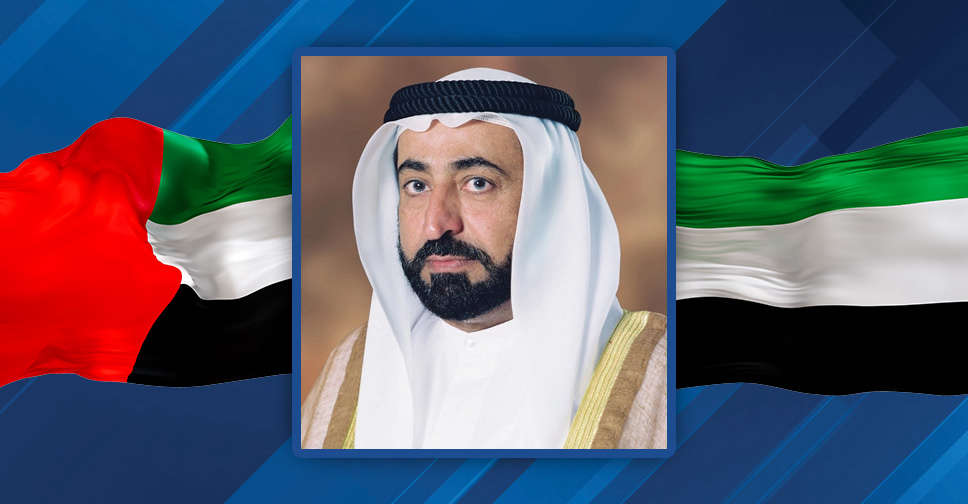 Sharjah Ruler approves 470 scholarships for new academic year
 UAE continues mobile health clinic operations in Gaza
 UAE expands youth empowerment efforts across key sectors
 UAE authorities seize 3.5 million non-compliant excise goods
 Gargash highlights need to end region's 'indefinite' state
 UAE pays out AED512 million under unemployment insurance scheme
 UAE expresses support for Colombia after deadly earthquake
 UAE thwarts cyberattacks targeting aviation, energy and education sectors
 UAE's post-pandemic hiring recovery among world’s strongest
 UAE Minister of State holds talks with President of Zimbabwe
 New lane on Sheikh Zayed Road to improve access to WTC intersection
 Nominations for first Dubai-it Award open August 10
 UAE convoys deliver 663 tonnes of aid to Gaza

