


In an ongoing campaign to secure family neighbourhoods in Sharjah, the authorities have evicted more than 7,000 single men, illegal tenants and workers after carrying out 1,915 inspections.
The door-to-door checks were conducted in several districts in partnership with teams from the Sharjah Police and Sharjah Electricity and Water Authority.
Sharjah City Municipality Director-General Thabit Al-Turaifi, who accompanied the officials during the inspections, said they caught several violations, including unauthorised engineering modifications and random electrical connections.
Some residential units were also converted into garages and stores.
The campaign follows a directive issued by His Highness Dr Sheikh Sultan bin Muhammad Al Qasimi, Supreme Council Member and Ruler of Sharjah.


 H.H. Sheikh Mohammed issues law defining Dubai Municipality's mandate
 Sharjah reopens beaches to the public after oil spill
 UAE President meets US delegation following trilateral talks with Ukraine, Russia
 Abu Dhabi arrests man in AED 14 million gold jewellery fraud
 Several dead and injured in Fujairah road collision
 Ras Al Khaimah Ruler attends COP31 Leaders’ Summit
 H.H. Sheikh Hamdan honours winners of inaugural Dubai-it Award
 Ras Al Khaimah reopens several beaches to the public
 Abu Dhabi expands EV charging points in public parking areas
 Dubai student card unlocks public transport savings, global discounts
 H.H. Sheikh Theyab inaugurates ICMM World Congress of Military Medicine
 UAE lifts visa restrictions on Ugandan nationals
 Dr Gargash highlights UAE's 'constructive role' in Russia-Ukraine-US trilateral talks
 Ras Al Khaimah Ruler leads UAE delegation at COP31
 Dubai to reward residents with AED 2,500 for naming community parks
 ADNOC L&S vessel sustains damage following attack
 H.H. Sheikh Khaled, H.H. Sheikh Hamdan discuss key national priorities
 Sheikh Abdullah attends third round of Russia-Ukraine-US trilateral talks
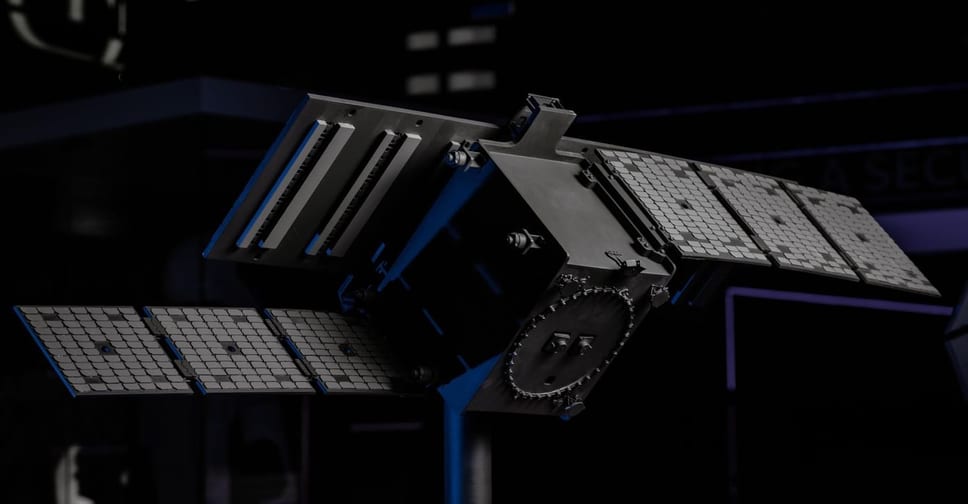 UAE completes critical design review of 'Sirb-1' satellite
 UAE conditionally approves new use of Ultomiris for kidney disease patients