


There is no scientific evidence indicating that transmissions from asymptomatic COVID-19 patients are rare.
That’s according to the official spokesperson of the UAE’s health sector, who has clarified that many studies on the virus are still inconclusive.
Dr. Farida Al Hosani has urged people not to rush to conclusions based on online reports.
She reiterated that patients who are asymptomatic or have mild symptoms must continue to follow quarantine regulations.
Dr. Al Hosani also added that there are conflicting reports about the effectiveness of Hydroxychloroquine, so the drug is only being used for mild and moderate cases, in line with international practices.
Dr. Al Hosani: With some reports saying COVID-19 transmission rate from asymptomatic patients is rare, we would like to clarify that many studies on the virus are still inconclusive. Cases that are asymptomatic or with mild symptoms have to follow quarantine regulations. #UAEGov
— UAEGOV (@UAEmediaoffice) June 10, 2020
Dr. Al Hosani: We urge the public to continue to follow health measures, wear face mask, wash hands and practice social distancing. Also, we should pay attention to the elderly and individuals at risk. We advise them to follow social distancing and avoid public places. #UAEGov
— UAEGOV (@UAEmediaoffice) June 10, 2020
On Tuesday, the World Health Organisation (WHO) clarified its position on people without symptoms, saying much remains unknown about asymptomatic transmission.
It held a live Q&A on its social media pages to clear up confusion about recent comments made by a WHO official that suggested asymptomatic people only rarely spread the virus.
The initial comments appeared to directly contradict guidance from international public health organisations.
"Since early February, we have said that asymptomatic people can transmit #COVID19, but that we need more research to establish the extent of asymptomatic transmission. That research is ongoing"-@DrTedros
— World Health Organization (WHO) (@WHO) June 10, 2020
"This is a new virus & we are all learning all the time.
— World Health Organization (WHO) (@WHO) June 10, 2020
Communicating complex science in real time about a new virus is not always easy, but we believe it’s part of our duty to the world. And we can always do better"-@DrTedros #COVID19


 Dubai Humanitarian launches air bridge to deliver vital aid to Gaza
 Dubai Fitness Challenge returns for another exciting edition
 UAE President, King of Bahrain discuss stronger ties and regional stability
 UAE-built AI satellite Altair-1 heads to US ahead of October launch
 New bridge to cut travel time from DWTC to Al Mustaqbal Street
 UAE Floating Hospital fits prosthetic limbs for 21 more Palestinian amputees
 UAE, DR Congo Presidents discuss strengthening cooperation under CEPA
 UAE leaders highlight youth's role central to nation's future
 UAE highlights flexible, skills-based education model at BRICS meeting
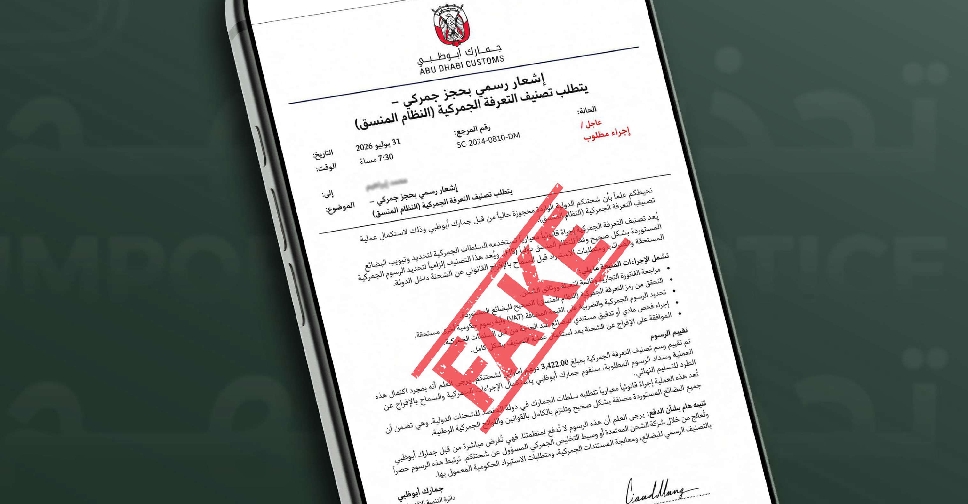 Abu Dhabi Customs raises alert over fraudulent messages
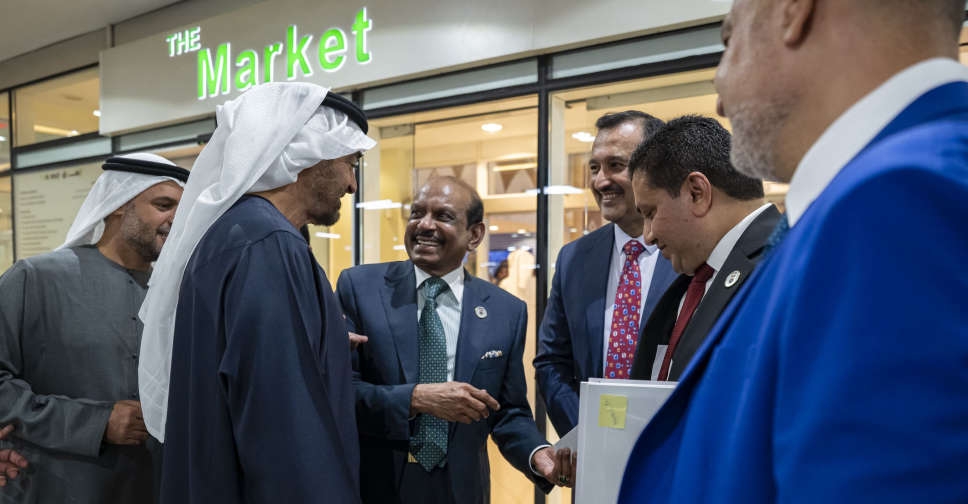 UAE President meets Lulu founder Yusuff Ali during Abu Dhabi store visit
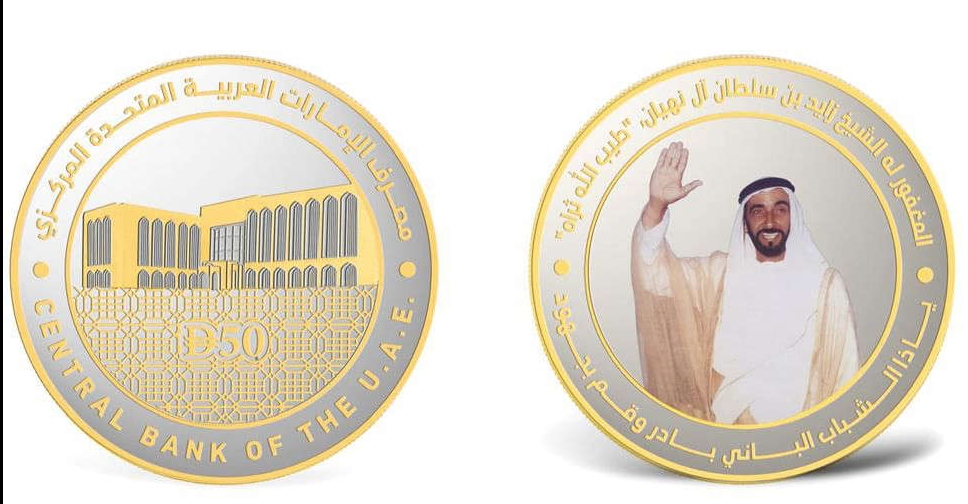 UAE issues special coins to mark contribution of youth in country's progress
 Sharjah Ruler approves 470 scholarships for new academic year
 UAE continues mobile health clinic operations in Gaza
 UAE expands youth empowerment efforts across key sectors
 UAE authorities seize 3.5 million non-compliant excise goods
 Gargash highlights need to end region's 'indefinite' state
 UAE pays out AED512 million under unemployment insurance scheme
 UAE expresses support for Colombia after deadly earthquake
 UAE thwarts cyberattacks targeting aviation, energy and education sectors

