
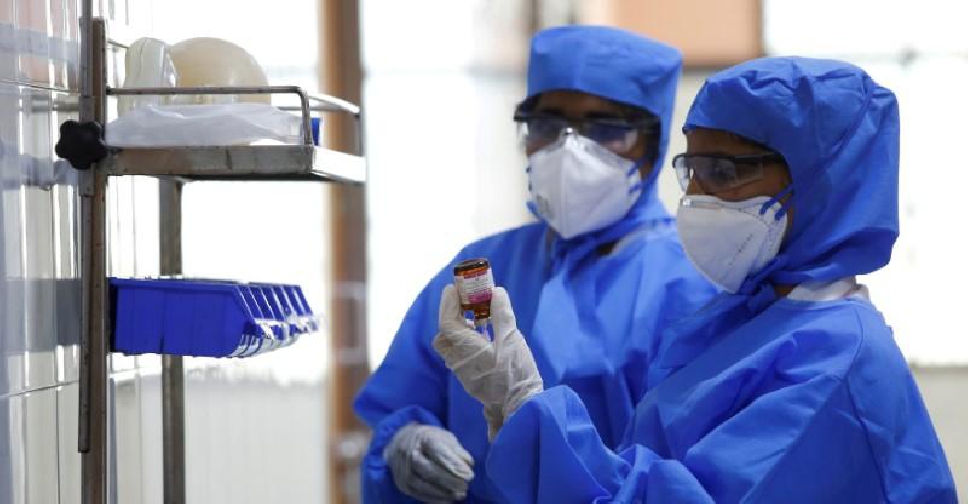
The National Biosecurity Committee, headed by the Ministry of Climate Change and Environment (MOCCAE), has released a new guide on the proper use of protective COVID-19 masks and clothing.
The Committee developed the "Unified National Guide for Personal Protective Equipment for Diseases and Pandemics" in cooperation with the Ministry of Health and Prevention, the Dubai Health Authority (DHA), and the Department of Health – Abu Dhabi (DoH).
It describes the characteristics and protection levels of various types of masks including medical, surgical, paper, and cloth.
In addition, it lists examples of activities during which people must wear masks, such as going to a store, pharmacy, or hospital, visiting a park with friends or relatives who do not live in the same household, taking public transportation, or walking in a high-density public area.
The guide, currently available in Arabic, outlines the basic specifications of masks, such as three-ply, disposable, anti-allergic, and latex- and fiberglass-free.
It also determines the tests to which masks must be subjected to ensure their effectiveness, including the Bacterial Filtration Efficiency (BFE) test, Particle Filtration Efficiency (PFE) test, breathing resistance test, and flammability test.
The publication goes on to explain the use of face shields. It recommends using them with masks, as they do not provide adequate protection from COVID-19 when worn alone. It states that face shields must be washed and disinfected using soap and sanitiser with at least 70 per cent alcohol.
As per the recommendation of the World Health Organization (WHO), the guide highlights the importance of washing and sanitising hands regularly and practicing stringent social distancing to achieve higher personal protection against diseases and pandemics.
It says scientific research has found that symptoms of respiratory illnesses develop on average five days after infection.
Therefore, patients who reduce their interaction with others by 75 per cent transmit the disease to 2.5 other people on average in 30 days, and those who reduce their interaction by 50 per cent transmit the disease to 15 other people in 30 days.
In contrast, patients who do not practice social distancing can infect as many as 406 people within the same period.


 UAE approves new oral treatment for vitiligo patients
 UAE gives motorists chance to reduce black points on 'Accident-Free Day'
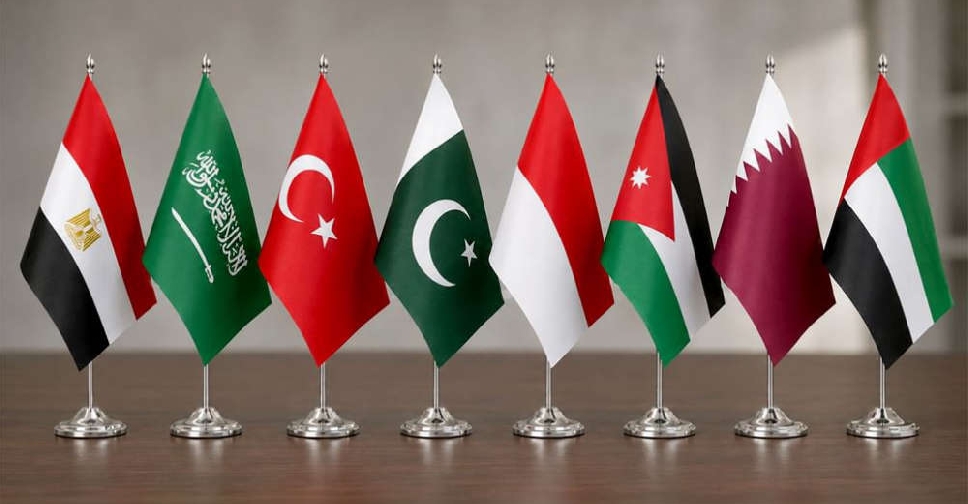 UAE join 7 nations in condemning Israeli rejection of Gaza peace plan
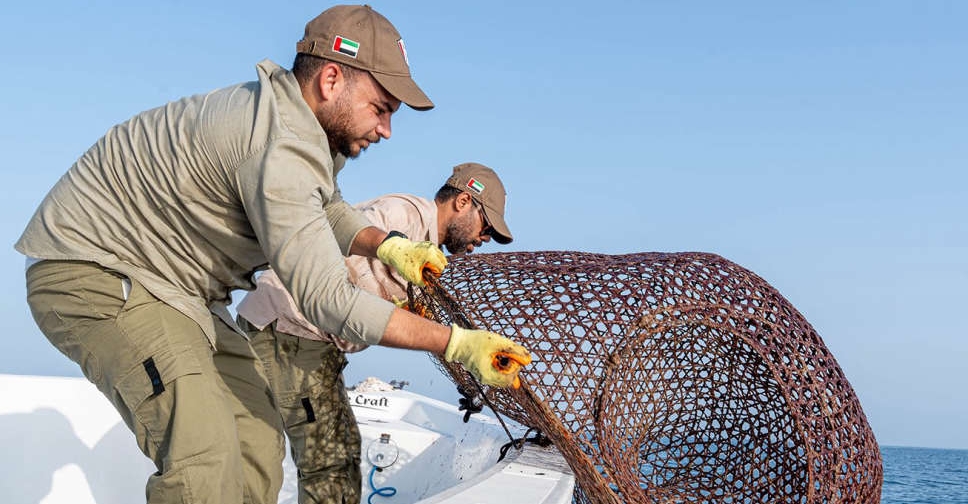 Fujairah seizes 21 illegal lobster traps in Dibba sea
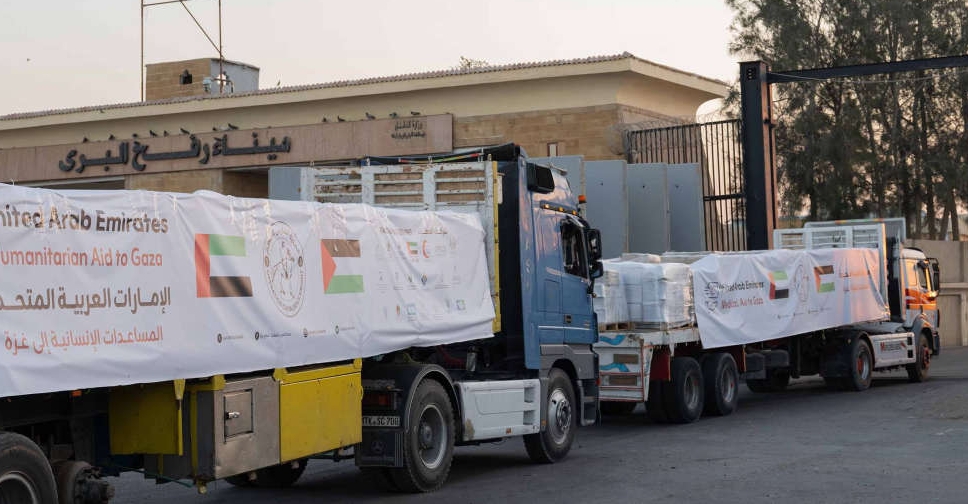 683 tonnes of aid enter Gaza Strip under UAE's Operation Chivalrous Knight 3
 Museum of Illusion announces permanent closure in Al Seef
 Gargash: ADNOC tankers' targeting will not deter UAE from moving forward
 Dubai Customs foils attempt to export over 70 million illicit cigarettes
 UAE expresses support for Indonesia after deadly earthquake
 ADNOC confirms attack on vessel in Strait of Hormuz
 UAE commends Kuwait’s vigilance in foiling terrorist plot
 Public invited to help shape UAE gender balance strategy
 UAE strongly condemns Iranian attack on ADNOC vessels
 Arab nations condemn Iranian attack on ADNOC tankers
 Abu Dhabi shuts down cafe over food safety violations
 Dubai Police warn of cyber threats on gaming platforms
 UAE allocates $10 million for Colombia earthquake relief
 Dubai Humanitarian launches air bridge to deliver vital aid to Gaza
 UAE reaffirms solidarity with Colombia after earthquake

