
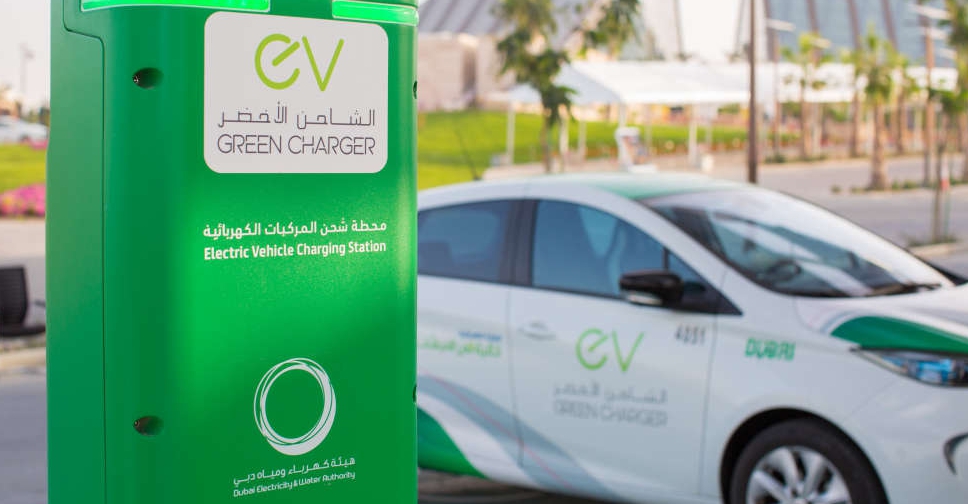
Dubai Electricity and Water Authority (DEWA), which is steering the emirate’s clean energy transition, aims to grow the city’s network of public charging stations by 170 per cent in less than three years.
By 2025, EV Green Charging Stations in Dubai will increase from the current 370, with more than 680 charging points, to 1,000 Green Charging Stations.
Dubai’s electric mobility plans represent a key pillar of the strategy to implement the vision of His Highness Sheikh Mohammed bin Rashid Al Maktoum, Vice President and Prime Minister of the UAE and Ruler of Dubai, to transform Dubai into a global green-economy hub.
The emirate’s Clean Energy Strategy 2050 and Net Zero Carbon Emissions Strategy 2050 seek to generate 100 per cent of its power from clean energy sources by 2050.
Furthermore, Dubai's Roads and Transport Authority (RTA) has rolled out a long-term strategy to migrate towards net-zero emission public transport by 2050.
Dubai’s move to green mobility received a strong boost in 2015 when DEWA launched its EV Green Charger Initiative as part of its Green Mobility Strategy 2030.
The number of EV owners registered under the initiative has increased from a mere 14 in 2015 to more than 11,000 by the end of May 2023. The figure is expected to double in the near future. By 2030, Dubai aims to have over 42,000 electric cars on its roads.
Demand for EVs in the UAE is projected to grow at a compound annual rate of 30 per cent between 2022 and 2028, according to the Global Electric Mobility Readiness Index published last year.
The report Index ranked the country eighth globally in terms of electric mobility readiness. Meanwhile, worldwide sales of electric cars are expected to surge by 35 pere cent this year to reach 14 million and the share of the overall car market is set to increase to 18 per cent this year, according to the International Energy Agency (IEA).
DEWA's EV Green Chargers have provided 13,264 MWh of electricity from 2015 to the end of 2022, powering a cumulative electric vehicle distance of over 66.3 million kilometres. By the end of 2022, the stations recorded over 720,000 charging sessions conducted by 9,653 registered electric vehicles.
DEWA’s efforts to boost the emirate’s public charging infrastructure have also resulted in the reduction of 236,700 tonnes of carbon emissions as of April 2023, a testament to the growing success of its clean energy strategy.
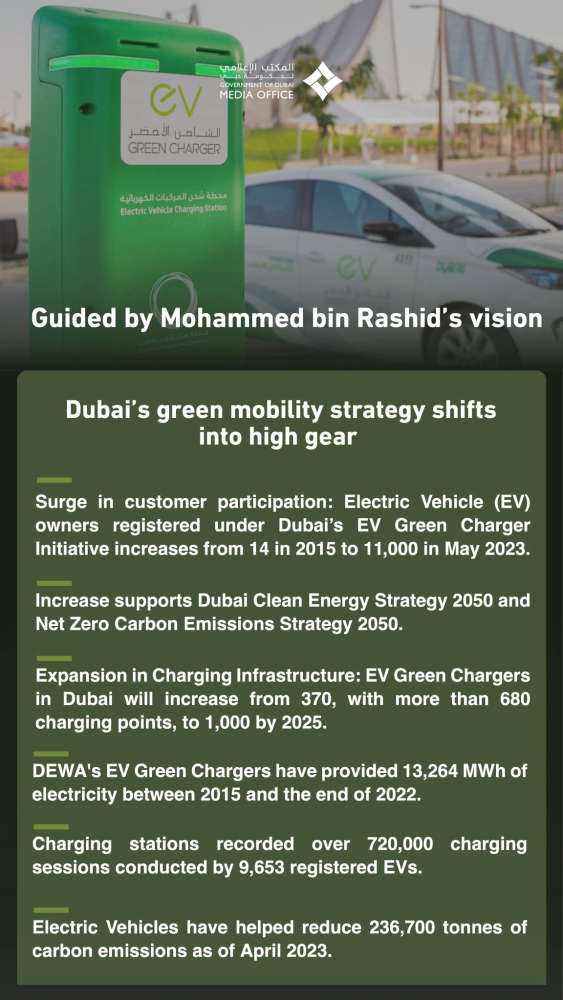
#Dubai is set to add a compelling, eco-friendly dimension to its world-leading driving experience with an ambitious plan to expand its electric vehicle charging infrastructure. @DEWAOfficial aims to grow the number of public charging stations by 170% in three years, representing… pic.twitter.com/9ROz1k8WAj
— Dubai Media Office (@DXBMediaOffice) July 9, 2023


 UAE commends Kuwait’s vigilance in foiling terrorist plot
 Public invited to help shape UAE gender balance strategy
 UAE strongly condemns Iranian attack on ADNOC vessels
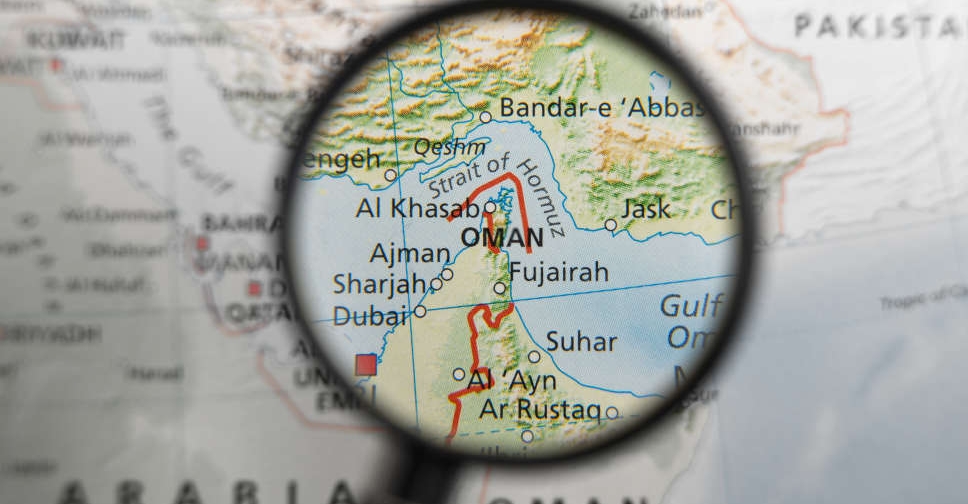 Arab nations condemn Iranian attack on ADNOC tankers
 2 ADNOC vessels attacked in Strait of Hormuz
 Abu Dhabi shuts down cafe over food safety violations
 Dubai Police warn of cyber threats on gaming platforms
 UAE allocates $10 million for Colombia earthquake relief
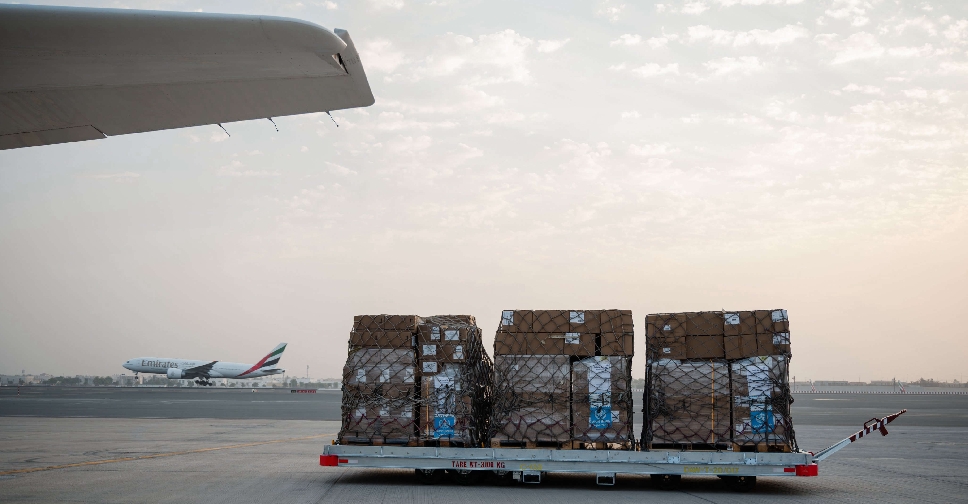 Dubai Humanitarian launches air bridge to deliver vital aid to Gaza
 UAE reaffirms solidarity with Colombia after earthquake
 Dubai Fitness Challenge returns for another exciting edition
 UAE President, King of Bahrain discuss stronger ties and regional stability
 UAE-built AI satellite Altair-1 heads to US ahead of October launch
 New bridge to cut travel time from DWTC to Al Mustaqbal Street
 UAE Floating Hospital fits prosthetic limbs for 21 more Palestinian amputees
 UAE, DR Congo Presidents discuss strengthening cooperation under CEPA
 UAE leaders highlight youth's role central to nation's future
 UAE highlights flexible, skills-based education model at BRICS meeting
 Abu Dhabi Customs raises alert over fraudulent messages
 UAE President meets Lulu founder Yusuff Ali during Abu Dhabi store visit

