

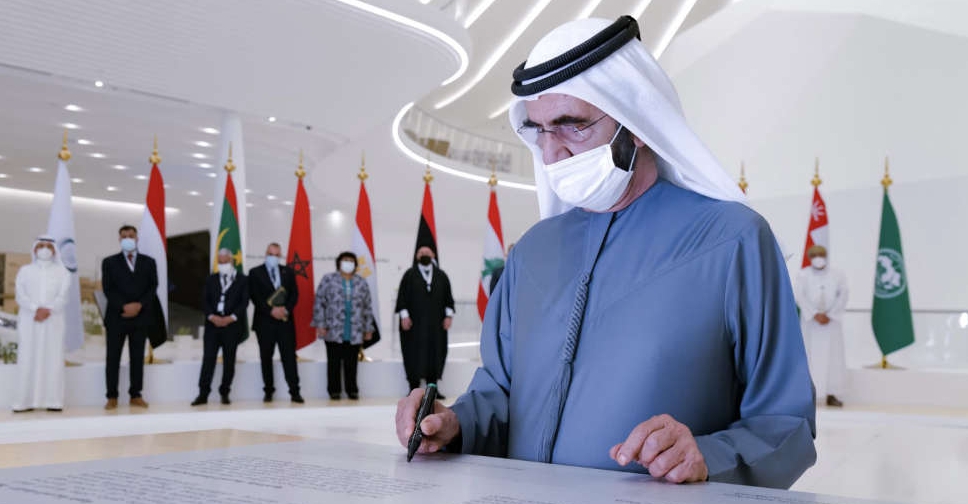
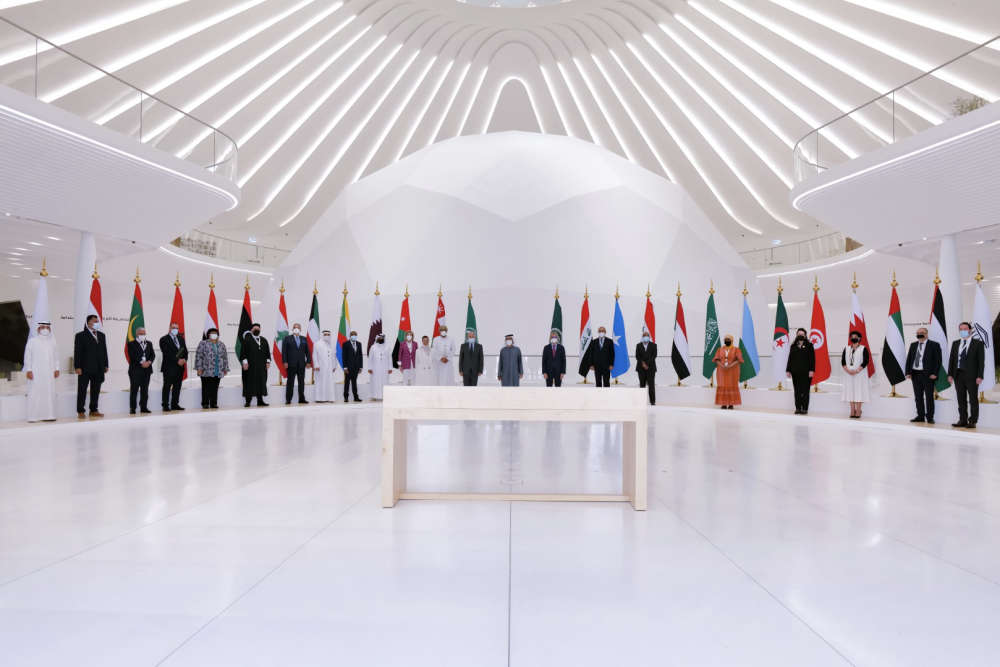
His Highness Sheikh Mohammed bin Rashid Al Maktoum, Vice President, Prime Minister of the UAE and Ruler of Dubai, launched the UAE Declaration of Arabic Language at EXPO 2020 Dubai on Sunday.
This declaration will commit Arab countries to work together to "enhance the status of the language that represents our identity, culture, and science," according to a statement from the Dubai Ruler.
According to national media WAM, the declaration aims to "draw out a unified roadmap for various institutions in Arab countries."
Noura bint Mohammed Al Kaabi, UAE's Minister of Culture, said, "The first edition of the report on the Status and Future of the Arabic Language revealed the need for greater cooperation and better coordination between Arab nations through proper language planning and joint Arab action."
It will promote Arabic in the digital space and associated industries. It will also encourage the use of Arabic as educational institutions digitise.
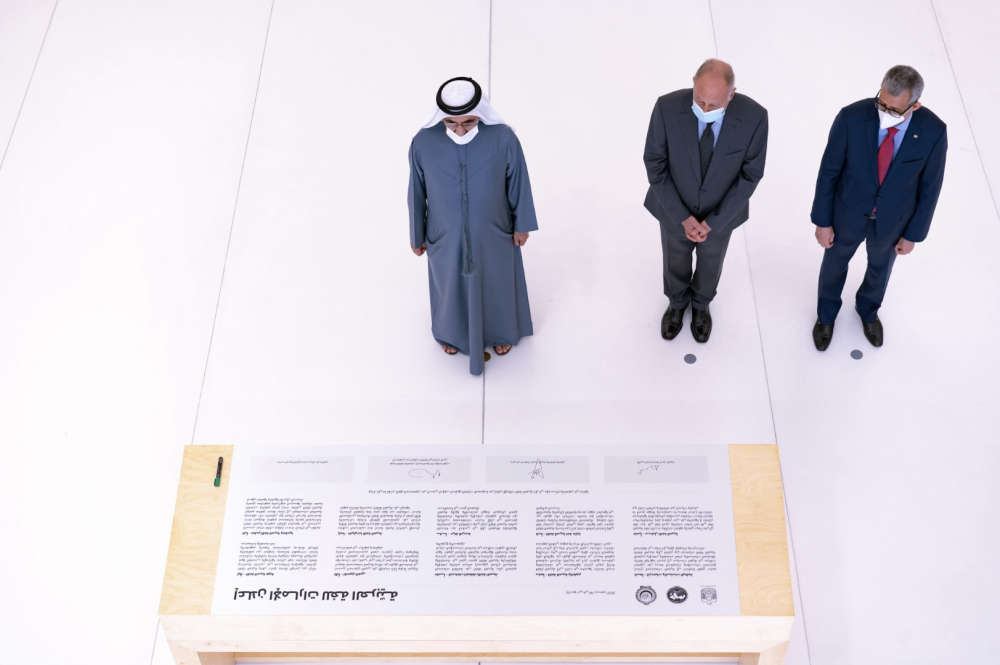
There are ten principles as part of the declaration:
- Identity and History: The Arabic language is intrinsic to our Arab identity. It links us to our history and heritage and reflects the richness and diversity of our society. Standard Arabic and its dialects interact in a unique way, which is a highlight of our civilisation, culture, literature and arts. The language is a means of communication and understanding between our people, an expression of the aspirations and dreams of our youth, a voice of their feelings, and a pillar of prosperity of our society and our economy.
- Education Impact: Develop new methodologies of teaching and learning the language in schools and treat it as a building block for our society and economy. Work with specialised research centres to introduce modern curricula based on international best practices. Develop programmes for Arabic language teachers to enhance their skills to teach the language in a scientific way that facilitates its learning and makes it relatable and relevant to new generations.
- Content: The Declaration emphasised the importance of improving the quality of Arabic content on the Internet as it has a huge impact on the development of society. Investing in digital publishing institutions, adopting sustainable and viable business models in collaboration with governments and knowledge institutions and providing Arab users with useful and reliable content that helps them in their lives and work.
- Arabic in Tech: The future requires a digital infrastructure that incorporates Arabic in technology applications. This will be achieved by cooperation between research centres and companies and by investing in artificial intelligence, natural language processing, machine learning models and linguistic thesaurus to build a comprehensive linguistic system that covers all aspects of this diverse language.
- Industries: Education, media and publishing are vital partners of policymakers and economists in promoting the Arabic language. There is a need to introduce developmental grants and build a sophisticated investment framework where intellectual property rights are applied to counter piracy and encourage the role of private institutions in business development, distribution and marketing of these models.
- Cross-culture Interaction: Translation has a key role in the transfer, localisation and distribution of knowledge and intercultural communication. It enriches the Arabic language with new expressions, compositions and terms influencing society, economy, education and the media. The development and investment in translation services for Arabic are necessary to enhance its contribution to knowledge on a global level.
- Arabic in Science: The language that was in the past an incubator for research and discovery in its societies, today needs to make modern knowledge available in Arabic to forge a bright future for the next generation. Invest in the translation of science and research papers to make them available for our researchers and scientists and translate their work in other languages for the scientific networks to access it in other languages.
- Global Adoption: Arabic is one of the most widely used languages globally and a major language of communication, and a pillar of our cultural identity. It should be reinforced as a vehicle for cultural exchange, thought and knowledge by building global partnerships with academic institutions and cultural centres and supporting their education efforts globally.
- National Planning and Policy Building: Arab societies need sound linguistic planning, to be drawn by governments and community institutions, to be translated into linguistic policies in the fields of education, media, and public discourse, as well as industries related to the Arabic language. Cooperation between research entities in various countries to gauge its progress per their standards.
- The Future: The final principle is devoted to the declaration on the future of the Arabic language because Arabic is a language of the grandparents and children, which is bound to develop and change like any other living language. It is the language of religion and heritage, just as it is the language used by millions as a means of communication, a language of economy, art and science. We build on its past and shape its future with confidence and faith. The aim is to establish modern approaches to counter the challenges and seize the opportunities that the language faces today.


 UAE President, King of Bahrain discuss stronger ties and regional stability
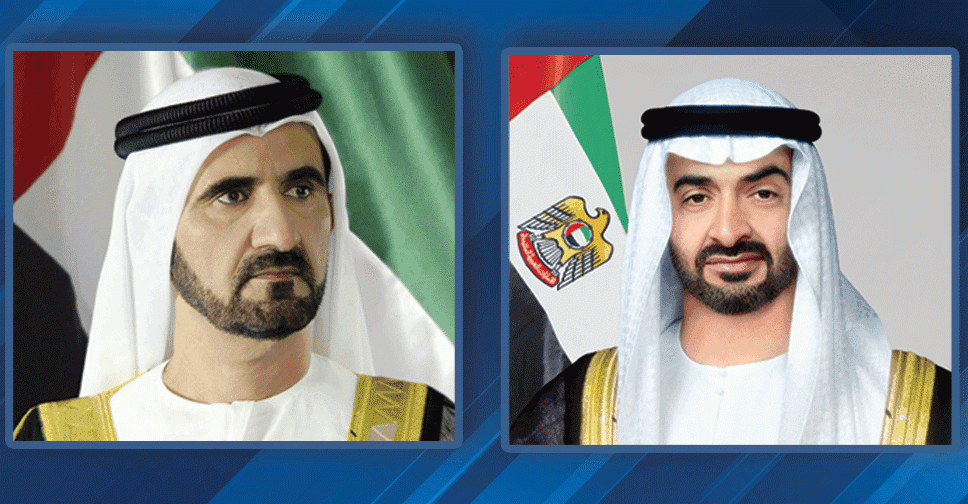 UAE leaders highlight youth's role central to nation's future
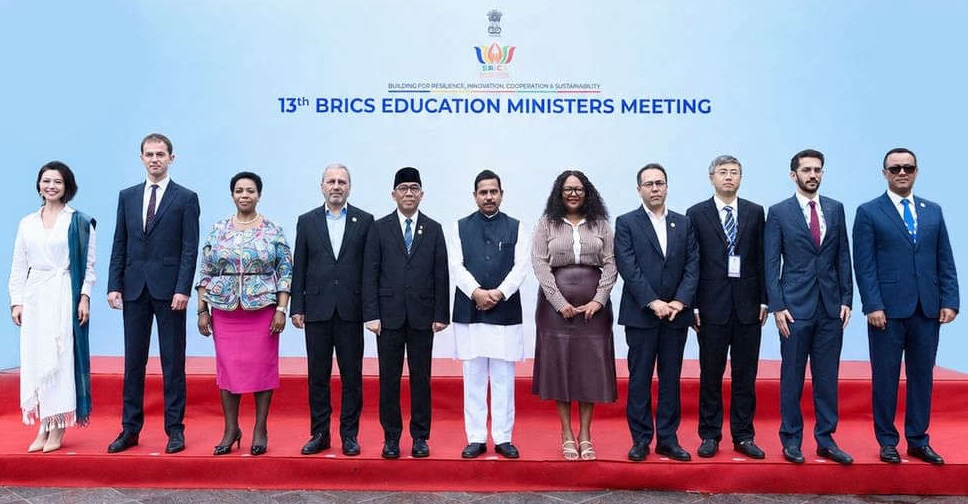 UAE highlights flexible, skills-based education model at BRICS meeting
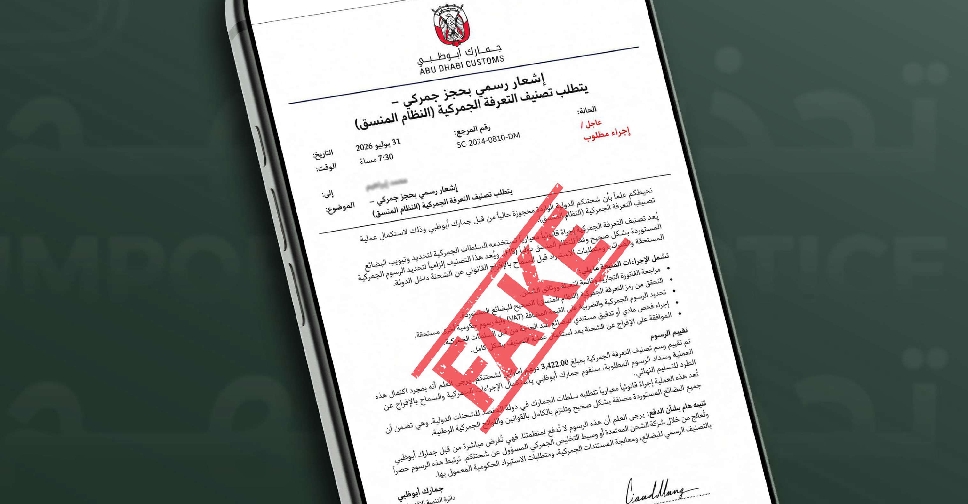 Abu Dhabi Customs raises alert over fraudulent messages
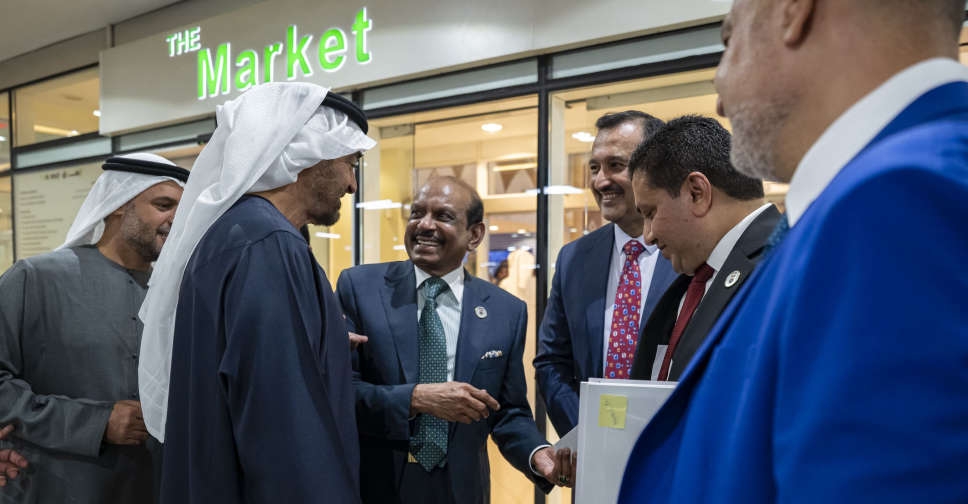 UAE President meets Lulu founder Yusuff Ali during Abu Dhabi store visit
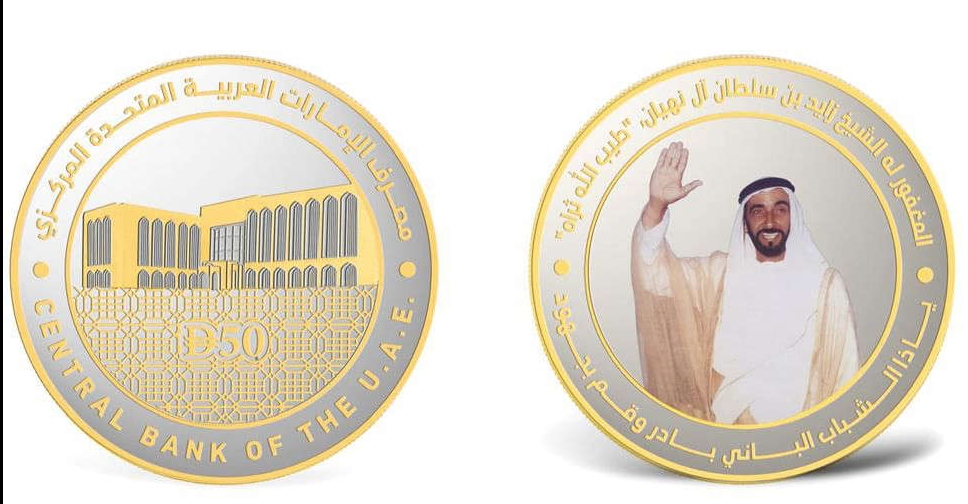 UAE issues special coins to mark contribution of youth in country's progress
 Sharjah Ruler approves 470 scholarships for new academic year
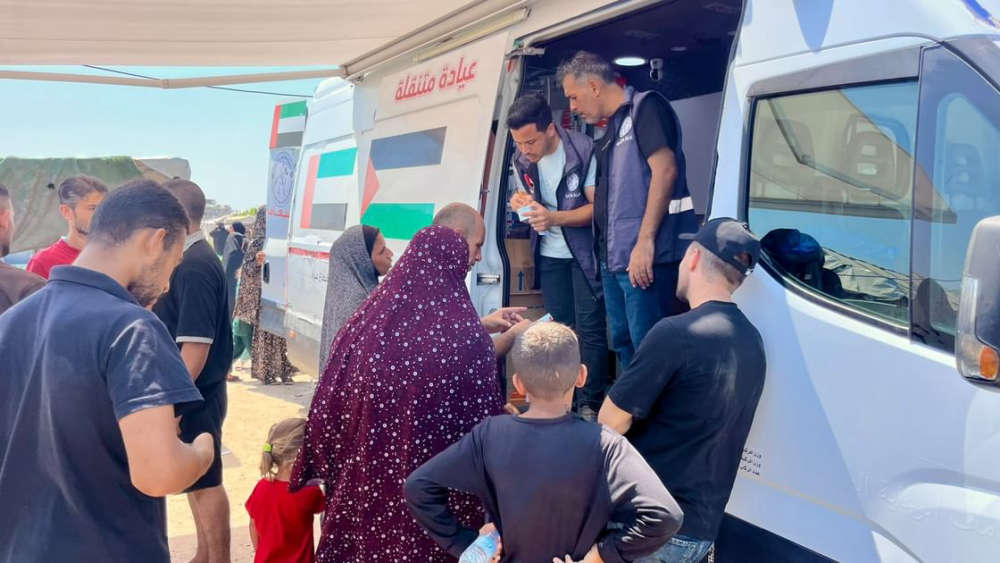 UAE continues mobile health clinic operations in Gaza
 UAE expands youth empowerment efforts across key sectors
 UAE authorities seize 3.5 million non-compliant excise goods
 Gargash highlights need to end region's 'indefinite' state
 UAE pays out AED512 million under unemployment insurance scheme
 UAE expresses support for Colombia after deadly earthquake
 UAE thwarts cyberattacks targeting aviation, energy and education sectors
 UAE's post-pandemic hiring recovery among world’s strongest
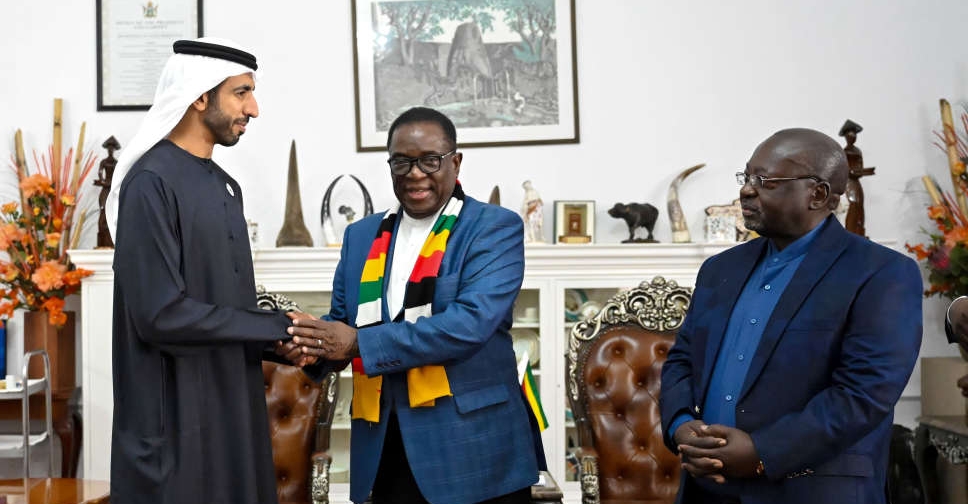 UAE Minister of State holds talks with President of Zimbabwe
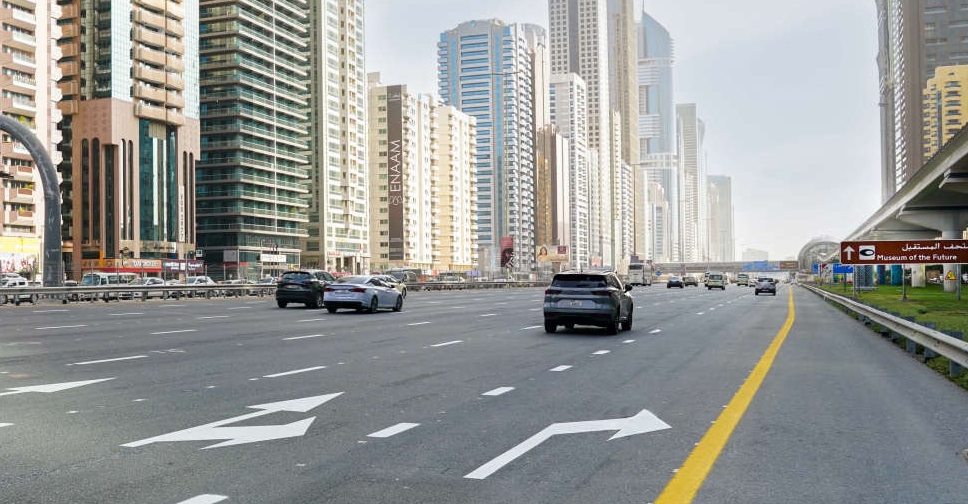 New lane on Sheikh Zayed Road to improve access to WTC intersection
 Nominations for first Dubai-it Award open August 10
 UAE convoys deliver 663 tonnes of aid to Gaza
 Irish authorities praise UAE over Daniel Kinahan extradition

