

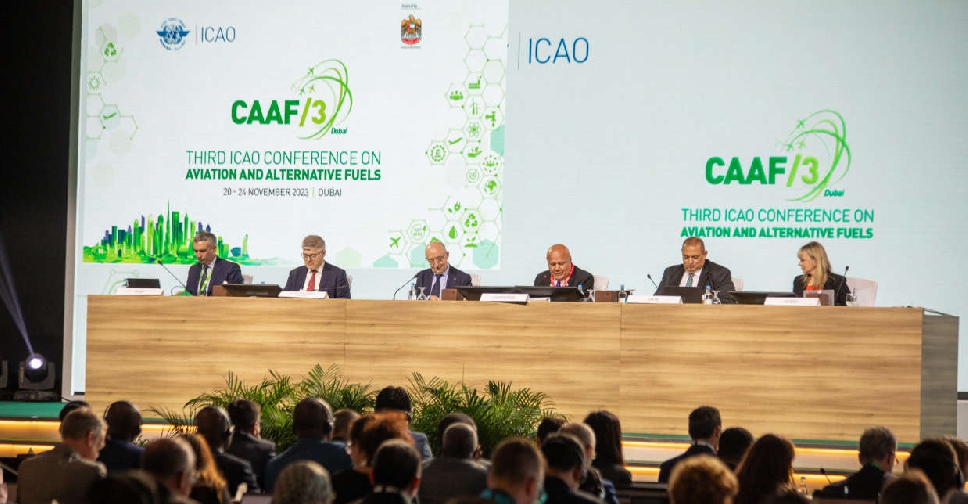
The International Civil Aviation Organisation (ICAO) has adopted a new framework for emissions reductions from global aviation by 2030 by using less-polluting fuels.
The agreement (Dubai Framework) was reached in Dubai on the final day of the Third ICAO Conference on Aviation and Alternative Fuels (CAAF/3), on Friday.
It comes ahead of the UN Climate Change Conference (COP28), which kicks off in Dubai next week.
As per the framework, ICAO and its member states have agreed to strive to achieve a collective vision to reduce CO2 emissions in international aviation by 5 per cent by 2030, compared to zero cleaner energy use, by expanding the production of Sustainable Aviation Fuels (SAF), Lower Carbon Aviation Fuels (LCAF) and other cleaner aviation energy sources, supported by lowering production costs and providing financing and technology.
ICAO members also agreed to review these goals by 2028, through the study and evaluation of developments in the global sustainable energy market.
The Global Framework was adopted following consultations made across five days, with inputs from over 1,000 officials, investors and experts from 100 countries and 30 international organisations.
Abdullah bin Touq Al Marri, UAE Minister of Economy, said that the Dubai Framework is a major turning point in the fields of aviation and sustainable and clean fuel production, ushering in a more sustainable future.
It will also encourage investments in clean aviation energy, generating fresh investment and economic opportunities, Bin Touq added, noting that the adoption of the new framework provides impetus to global climate action efforts, especially with COP28 a few days away.
This is a historic stride towards strengthening global climate action, sending a strong and unified message to investors around the world about the urgency of investing in clean aviation energy, added ICAO Council President Salvatore Sciacchitano.
As per the framework, the ICAO and its member states will work towards the decentralisation of the production of SAF, LCAF and other aviation cleaner energies across all countries and regions, providing a fair and equal opportunity to participate across the value chain, from feedstock to fuel production and use.
SAFs, LCAFs and other aviation cleaner energies are expected to have the largest contribution to aviation CO2 emissions reduction by 2050, the framework asserts, which will be supported through a comprehensive approach to be developed by the ICAO and its members, consisting of a basket of measures, including technology, sustainable fuels, operational improvements, and market-based measures.
During the Third ICAO Conference on Aviation and Alternative Fuels (CAAF/3), the international aviation sector has taken a giant leap to accelerate its decarbonization. Read our announcement on LinkedIn: https://t.co/6ppB5nhBsV pic.twitter.com/nzmwtBJW8I
— ICAO (@icao) November 24, 2023


 UAE leaders highlight youth's role central to nation's future
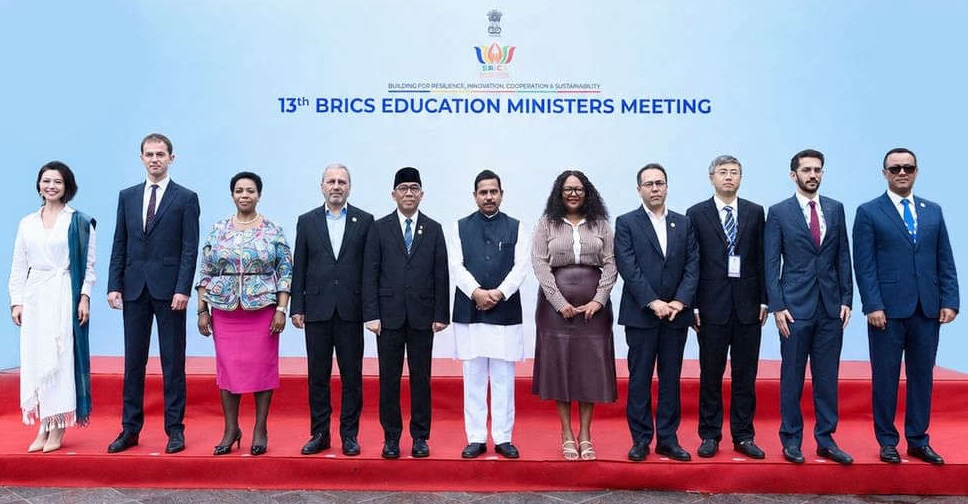 UAE highlights flexible, skills-based education model at BRICS meeting
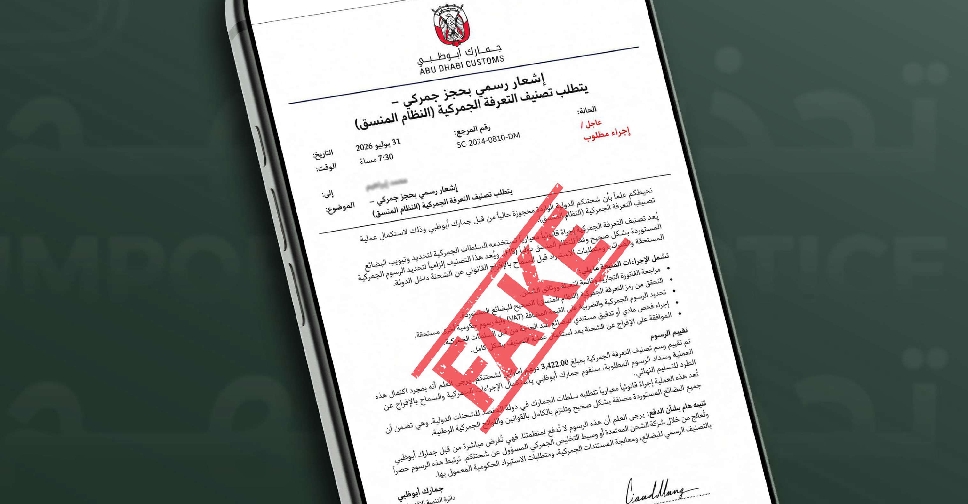 Abu Dhabi Customs raises alert over fraudulent messages
 UAE President meets Lulu founder Yusuff Ali during Abu Dhabi store visit
 UAE issues special coins to mark contribution of youth in country's progress
 Sharjah Ruler approves 470 scholarships for new academic year
 UAE continues mobile health clinic operations in Gaza
 UAE expands youth empowerment efforts across key sectors
 UAE authorities seize 3.5 million non-compliant excise goods
 Gargash highlights need to end region's 'indefinite' state
 UAE pays out AED512 million under unemployment insurance scheme
 UAE expresses support for Colombia after deadly earthquake
 UAE thwarts cyberattacks targeting aviation, energy and education sectors
 UAE's post-pandemic hiring recovery among world’s strongest
 UAE Minister of State holds talks with President of Zimbabwe
 New lane on Sheikh Zayed Road to improve access to WTC intersection
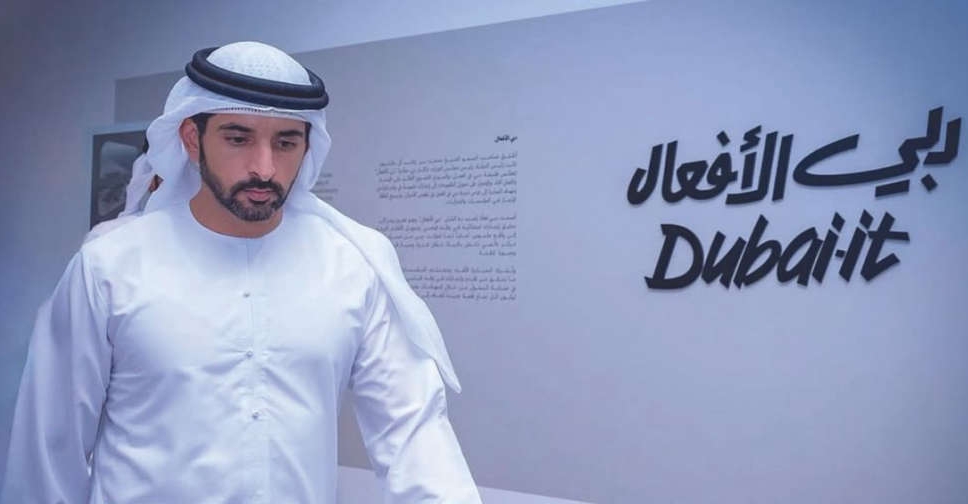 Nominations for first Dubai-it Award open August 10
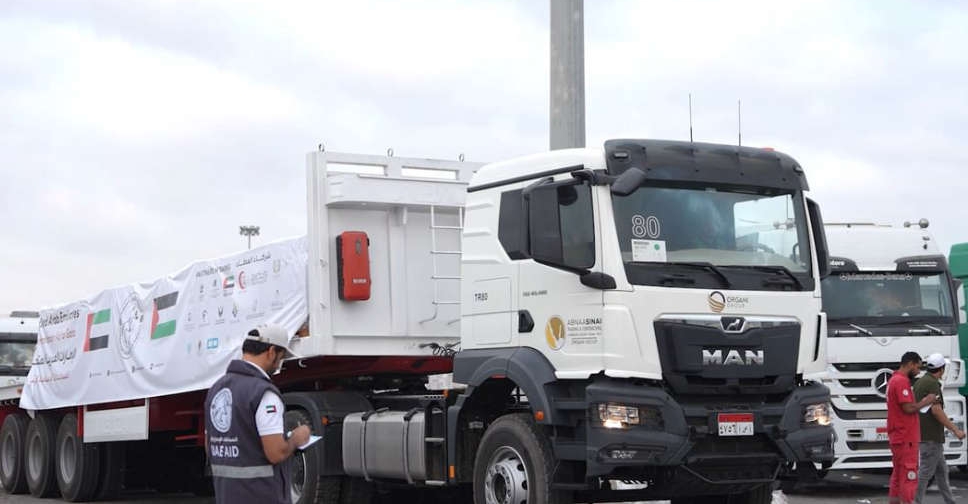 UAE convoys deliver 663 tonnes of aid to Gaza
 Irish authorities praise UAE over Daniel Kinahan extradition
 H.H. Sheikh Abdullah discusses regional developments with Kuwait FM

