
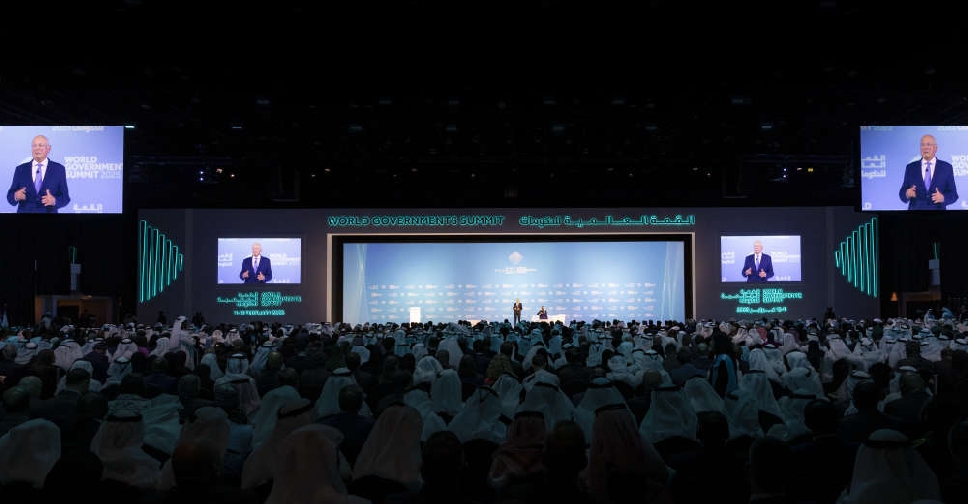
Prof. Klaus Schwab, Chairman of the Board of Trustees of the World Economic Forum, has emphasised the urgent need for global governmental cooperation in navigating the rapidly evolving intelligent age.
While addressing the World Governments Summit (WGS) in Dubai on Tuesday, Schwab drew parallels to previous industrial revolutions, highlighting the unprecedented speed of the current transformation, driven by advancements in artificial intelligence, quantum computing and cryptocurrencies, among other emerging technologies.
He stressed that unlike past shifts, this revolution allows mere years, not generations, to adapt.
A key mandate for governments, according to Schwab, is developing the talent needed to shape this new era.
With WEF research indicating that 50% of jobs will be directly or indirectly impacted within the next 5-10 years, he emphasised the crucial role of education in equipping individuals with the necessary capabilities.
Schwab called for international cooperation in establishing ethical policies surrounding these technologies, recognising their potential for both immense benefit and harm.
He advocated for a more coordinated global process, and stressed the importance of addressing public anxieties stemming from the rapid pace and complexity of technological advancement.
Governments, he urged, must play a vital role in educating and explaining these technologies, framing them as opportunities rather than threats.
Prof. Klaus Schwab, Chairman of the Board of Trustees of the World Economic Forum, highlights new technologies shaping the world and the importance of educating people and governments about these technologies. #WGS25#WorldGovSummit pic.twitter.com/wICpZ8Rroj
— World Governments Summit (@WorldGovSummit) February 11, 2025
Schwab also commended the UAE’s foresight in appointing an AI minister in 2017, recognising the transformative impact of these technologies on all aspects of life.
WGS 2025, which runs from February 11-13 under the theme 'Shaping Future Governments', convenes over 30 heads of state and government, more than 80 international and regional organisations and 140 government delegations.
Its agenda features 21 global forums exploring major future trends and transformations, over 200 interactive sessions with more than 300 prominent speakers, and over 30 ministerial meetings and roundtables attended by more than 400 ministers.
The summit will also publish 30 strategic reports in partnership with its international knowledge partners.

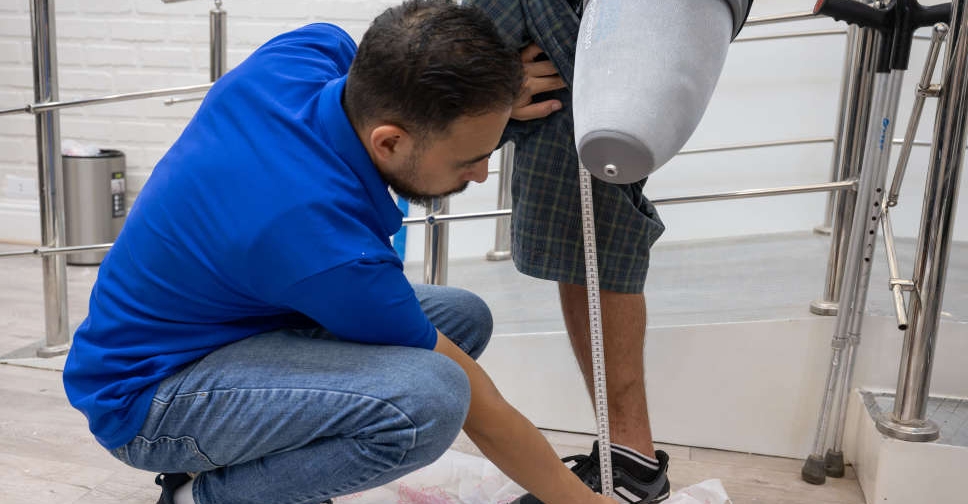 UAE Floating Hospital fits prosthetic limbs for 21 Palestinian amputees
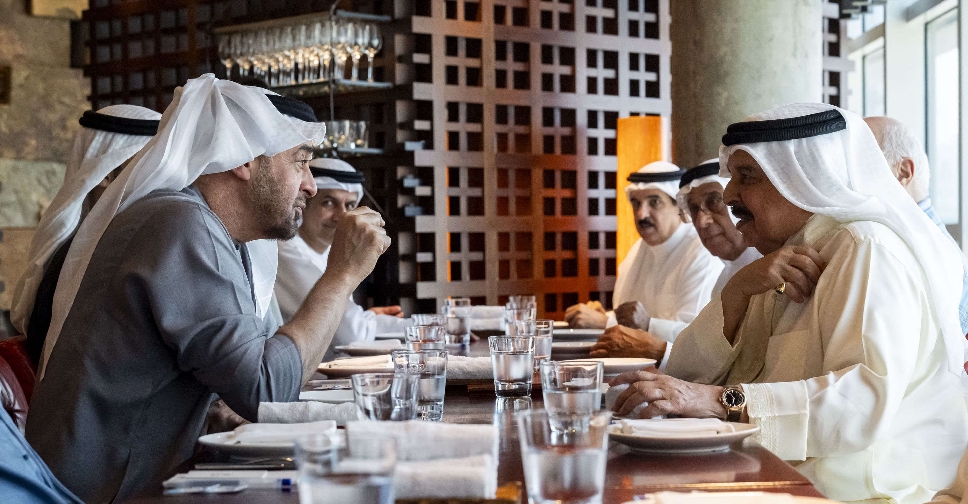 UAE President, King of Bahrain discuss stronger ties and regional stability
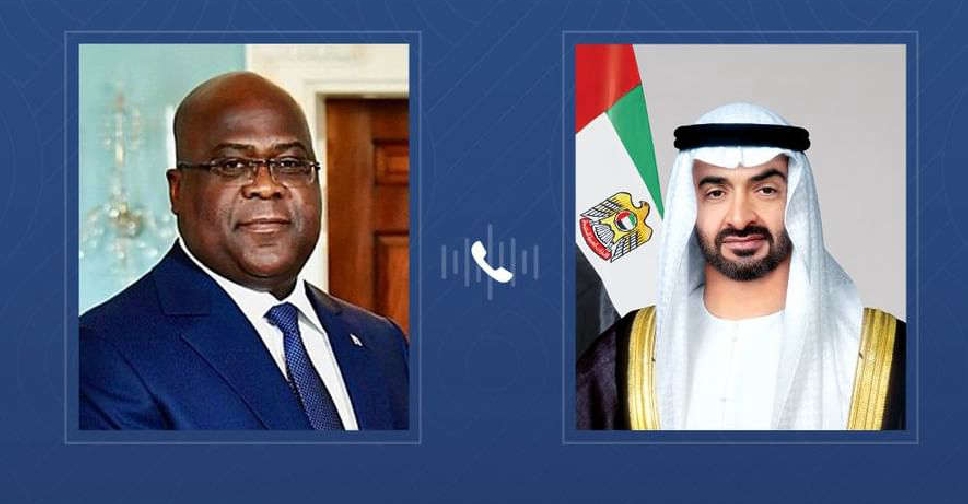 UAE, DR Congo Presidents discuss strengthening cooperation under CEPA
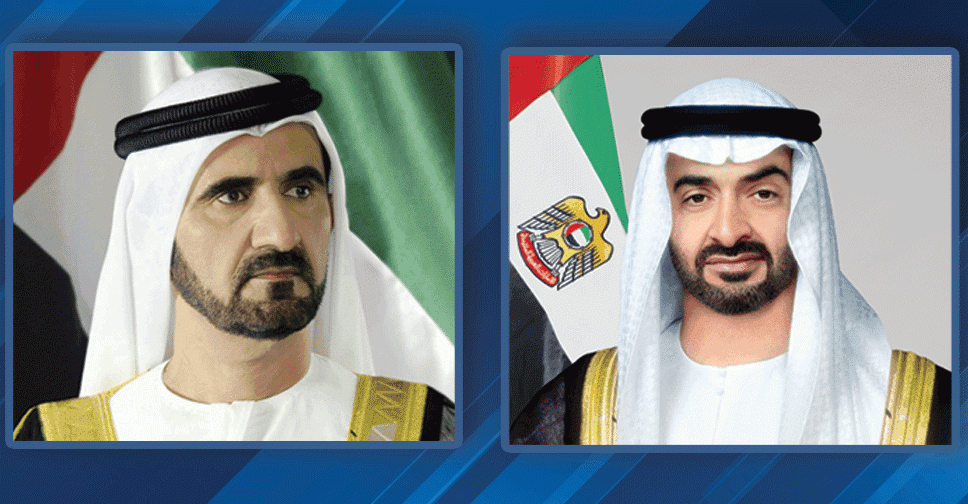 UAE leaders highlight youth's role central to nation's future
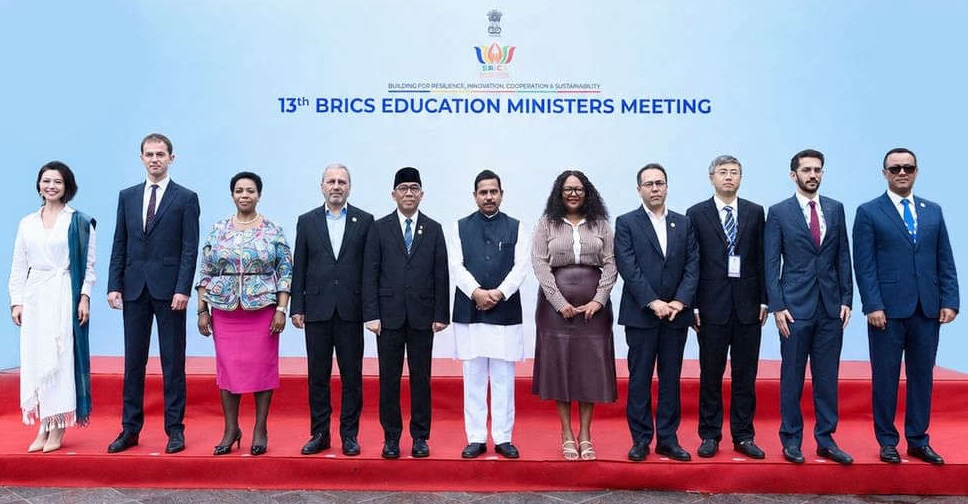 UAE highlights flexible, skills-based education model at BRICS meeting
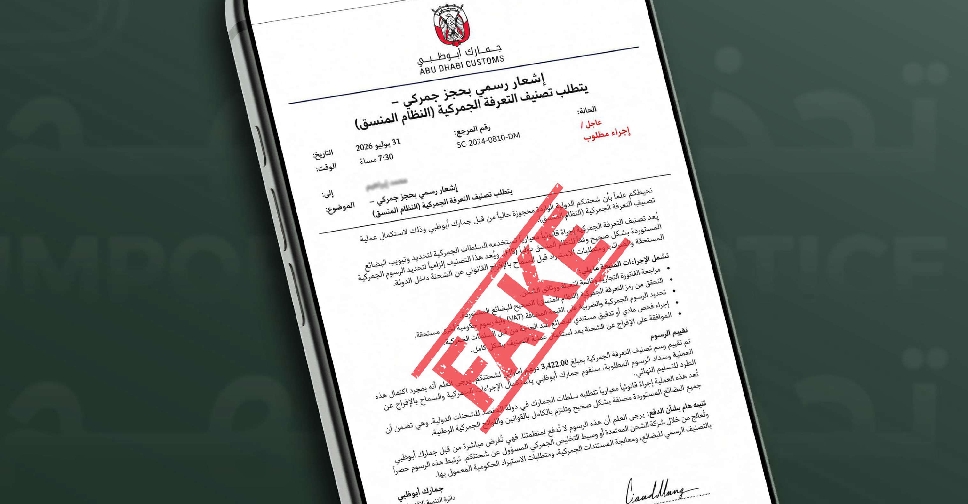 Abu Dhabi Customs raises alert over fraudulent messages
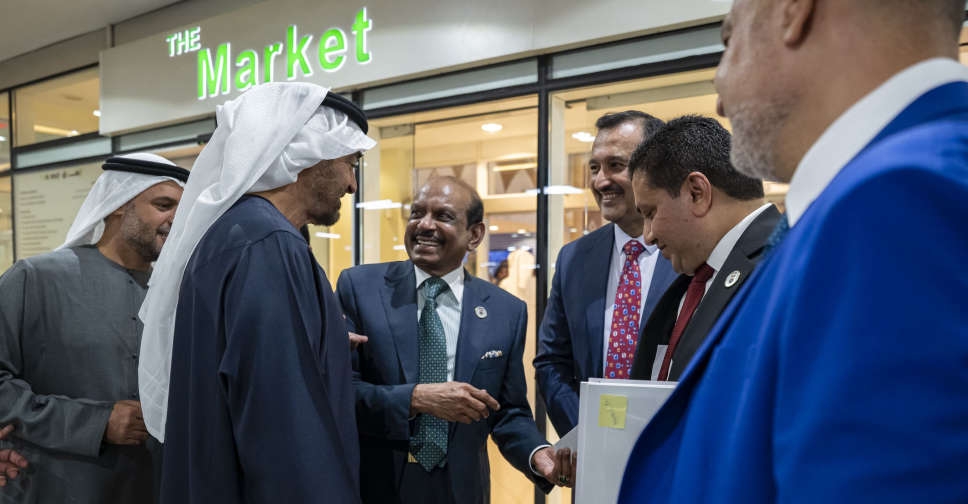 UAE President meets Lulu founder Yusuff Ali during Abu Dhabi store visit
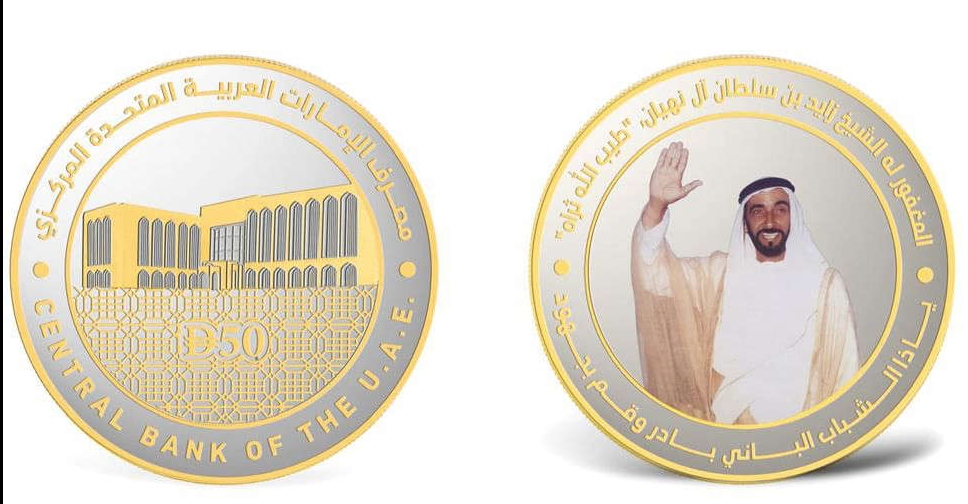 UAE issues special coins to mark contribution of youth in country's progress
 Sharjah Ruler approves 470 scholarships for new academic year
 UAE continues mobile health clinic operations in Gaza
 UAE expands youth empowerment efforts across key sectors
 UAE authorities seize 3.5 million non-compliant excise goods
 Gargash highlights need to end region's 'indefinite' state
 UAE pays out AED512 million under unemployment insurance scheme
 UAE expresses support for Colombia after deadly earthquake
 UAE thwarts cyberattacks targeting aviation, energy and education sectors
 UAE's post-pandemic hiring recovery among world’s strongest
 UAE Minister of State holds talks with President of Zimbabwe
 New lane on Sheikh Zayed Road to improve access to WTC intersection
 Nominations for first Dubai-it Award open August 10

