
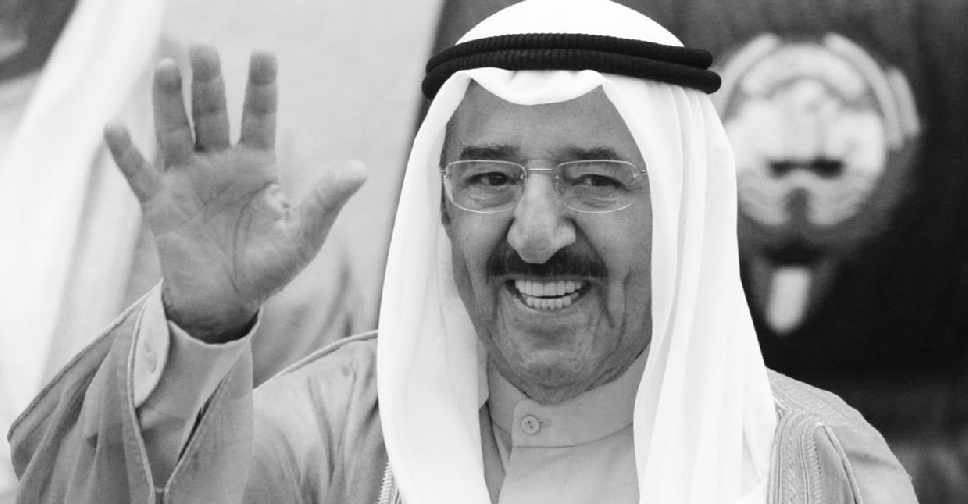
The Kuwaiti Emir Sheikh Sabah Al Ahmad Al Jaber Al Sabah's lasting contribution will remain in the minds of Arab and Islamic nations.
Since ascending to power on January 29, 2006, Sheikh Sabah focused his journey on the development of Kuwait and its people as well as bringing regional peace and global stability.
His Highness the Emir became the fifteenth leader of Kuwait and the first to swear oath since 1965 at the National Assembly with the support of the legislative and executive powers.
His Highness advocated for humanitarian diplomacy and peace during his tenure. This policy was deeply rooted in his upbringing and government career prior to the leadership of Kuwait.
Sheikh Sabah, the fourth son of the late Emir Sheikh Ahmad Al Jaber Al Sabah, was educated in Al Mubarakiya school during his earlier years.
He began his governmental career in 1954 when he became a member of the supreme executive committee tasked with organising official departments.
In 1955, the Emir became head of the Department of Social and Labor Affairs with an emphasis on migrant workers.
The department was also tasked with providing social support to women, children, the youth, and the elderly.
Sheikh Sabah was also very keen on the arts and the theatre in Kuwait, establishing the first centre for Kuwaiti folklore in 1956.
In 1957, Sheikh Sabah was appointed as head of the department of print and publication. He worked extensively to publish Kuwait Al Yawam, the state's official gazette, as well as Al Arabi magazine.
His Highness Sheikh Sabah worked on laws to put Kuwait's media on the map of Arab journalism through its integrity and accuracy.
Post-independence in 1961, the Emir was a member of the committee laying the foundations of Kuwait's constitution. He was part of the first cabinet in 1962, becoming minister of guidance and news.
On January 28, 1963, after the first legislative elections, Sheikh Sabah was appointed as Foreign Minister, drawing up the blueprint for Kuwait's international policy. He spent 40 years in this position.
During his tenure as Foreign Minister, Sheikh Sabah played a pivotal role in trying to find a solution to crises in the Arab world.
He led Kuwait's delegation 54 years ago in negotiations to end the Yemeni civil war.
The meeting held in Kuwait in August 1966, gathered officials from Yemen's opposing parties, Egypt, and Saudi Arabia.
Tension continued between the south and north Yemeni groups, so the Emir visited them in 1972, leading to a peace treaty between the two sides.
In the 1980s, His Highness brokered an agreement between Oman and Yemen, which led to a halt in hostilities and the establishment of diplomatic relations.
Due to Kuwait's strong foreign policy and efforts to spread peace, the country managed to gather worldwide support during its darkest time in August 1990, the period of the Iraqi invasion.
In addition to helming Kuwait's Foreign Minister's post, Sheikh Sabah was assigned as Acting Information Minister from 1971-75, Deputy Prime Minister 1978-81 and also returned as acting Information Minister in 1982.
On March 3, 1985, His Highness was appointed as the Deputy Prime Minister and Minister Foreign Affairs, a post he held until October 18, 1992. He was subsequently appointed First Deputy Prime Minister and Minister of Foreign Affairs.
On July 13, 2003, a decree was issued appointing Sheikh Sabah as Prime Minister, the first instance when the Premiership was separated from the post of Crown Prince.
As Prime Minister, His Highness made it his mission to bring development and prosperity to his country, encouraging support for small enterprises.
He also was keen on a vision to transform Kuwait into a regional and international commercial centre, bringing the country back to its reputation as "the pearl of the Gulf."
Sheikh Sabah was named as Ruler of Kuwait and he took the oath in parliament on January 29, 2006.
During his reign, the Emir ushered in an era of development and progress, launching various development initiatives including the Sabah Al-Ahmad Sea City.
Other projects include the Jaber Al-Ahmad Hospital, Mubarak Seaport, the Jaber Causeway and the Jaber Al Ahmad Stadium.
His Highness received several honours and accolades in recent years including the US Legion of Merit which was presented by President Donald Trump.
Sheikh Sabah was also honoured by the UN in 2014 as a global humanitarian leader,
Additionally, the Emir organised the first Arab social and economic summit in January 2009.
His legacy will continue to be remembered by the people of Kuwait, Arab and Islamic nations, and the rest of the world, for his efforts to bring peace and progress for humanity.


 ADNOC confirms attack on vessel in Strait of Hormuz
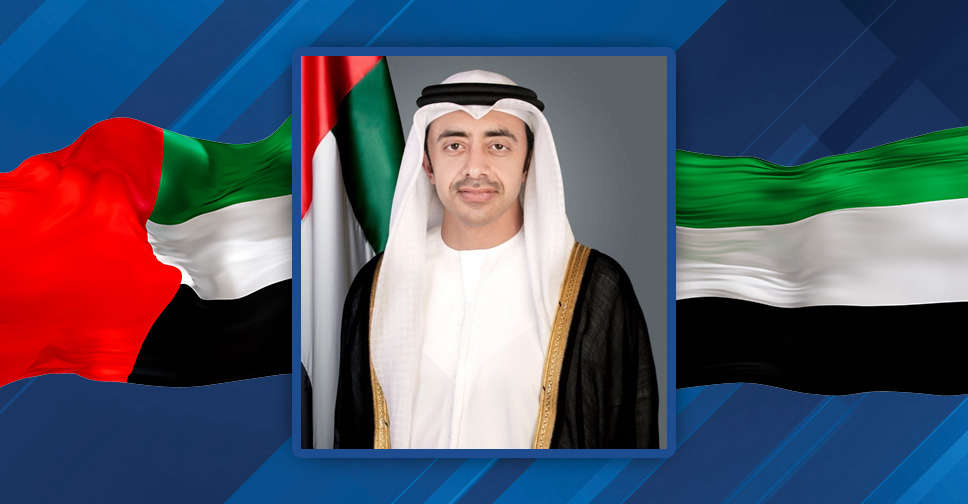 UAE commends Kuwait’s vigilance in foiling terrorist plot
 Public invited to help shape UAE gender balance strategy
 UAE strongly condemns Iranian attack on ADNOC vessels
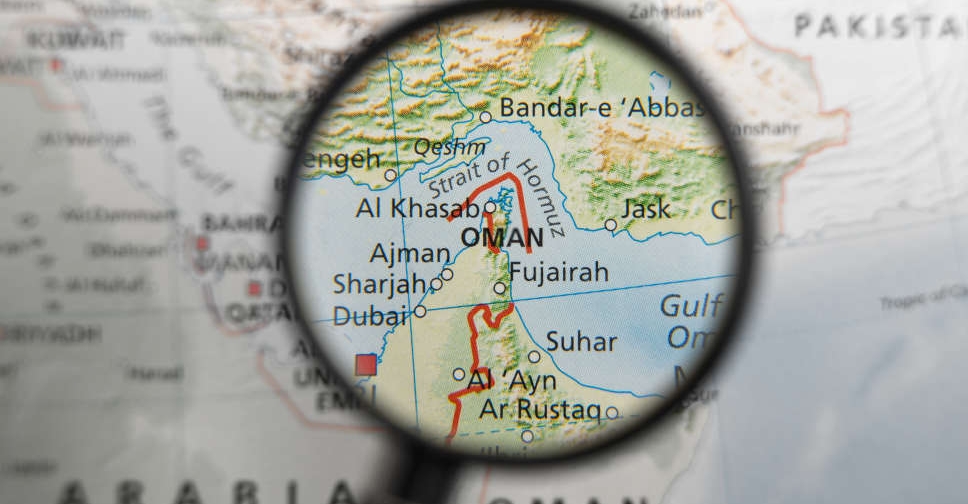 Arab nations condemn Iranian attack on ADNOC tankers
 Abu Dhabi shuts down cafe over food safety violations
 Dubai Police warn of cyber threats on gaming platforms
 UAE allocates $10 million for Colombia earthquake relief
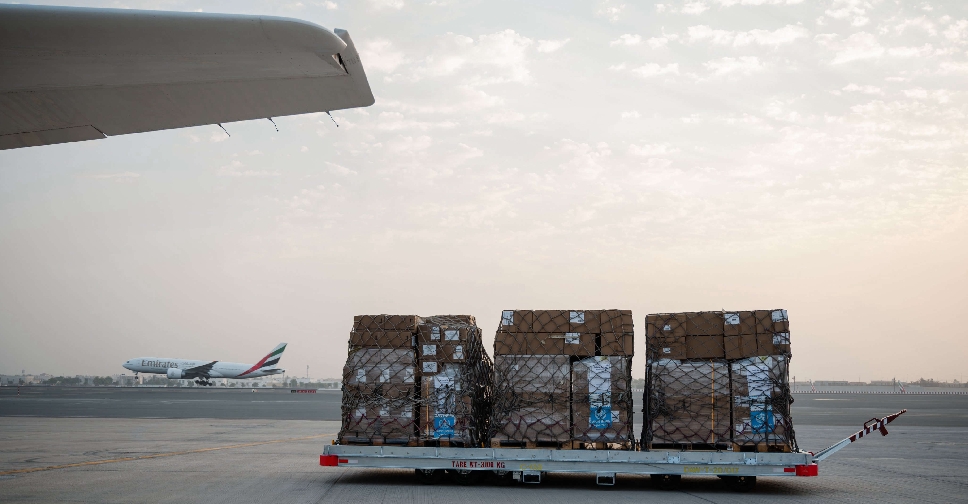 Dubai Humanitarian launches air bridge to deliver vital aid to Gaza
 UAE reaffirms solidarity with Colombia after earthquake
 Dubai Fitness Challenge returns for another exciting edition
 UAE President, King of Bahrain discuss stronger ties and regional stability
 UAE-built AI satellite Altair-1 heads to US ahead of October launch
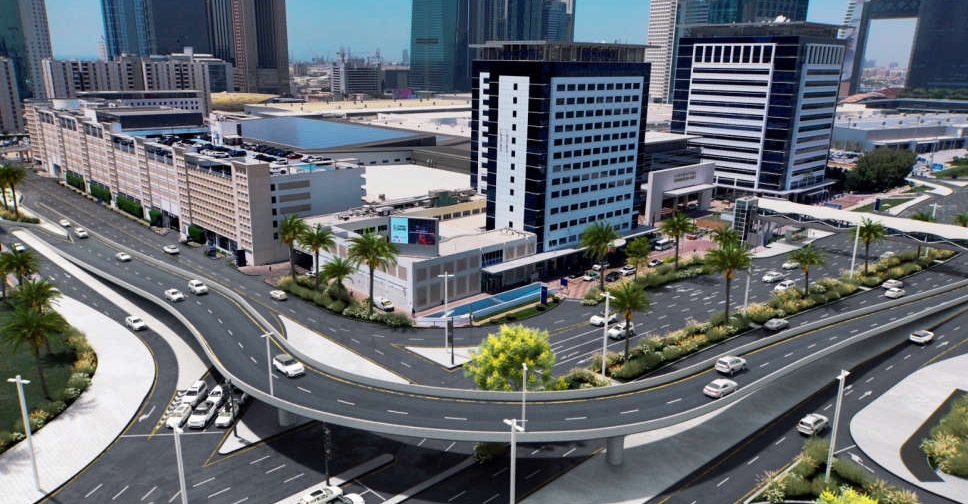 New bridge to cut travel time from DWTC to Al Mustaqbal Street
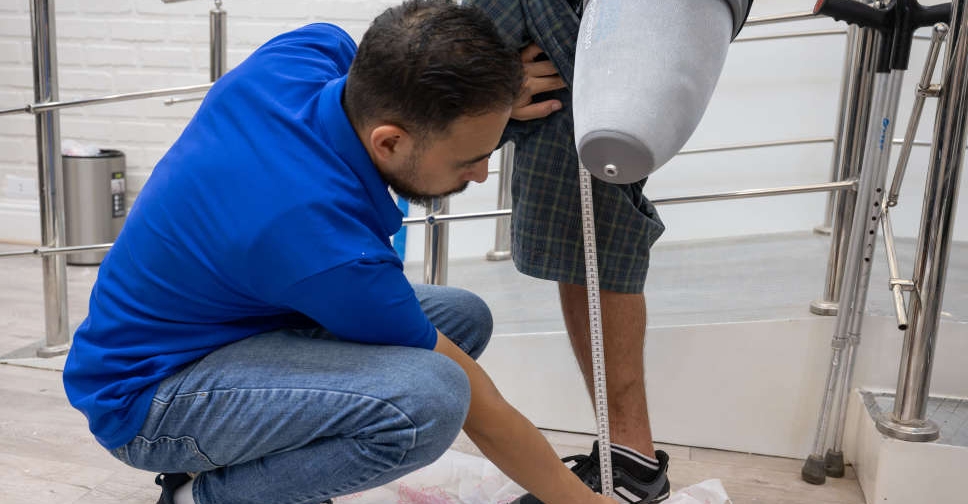 UAE Floating Hospital fits prosthetic limbs for 21 more Palestinian amputees
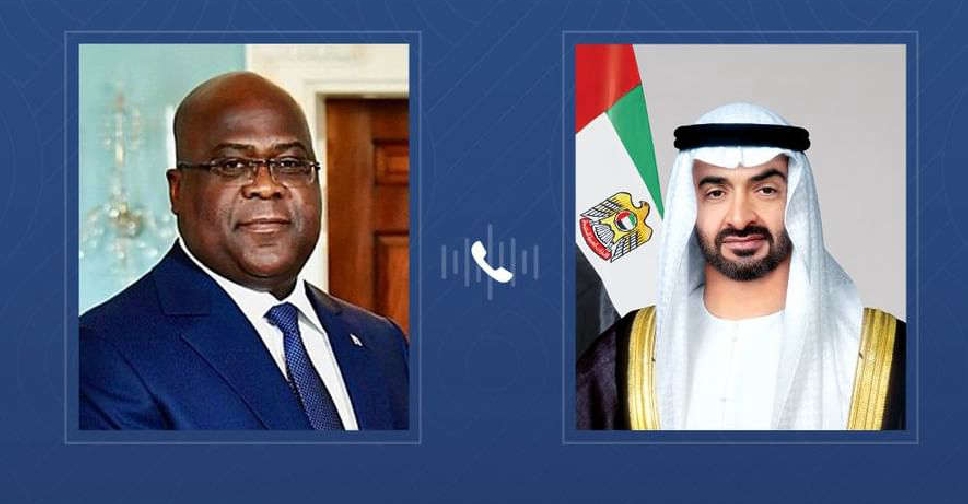 UAE, DR Congo Presidents discuss strengthening cooperation under CEPA
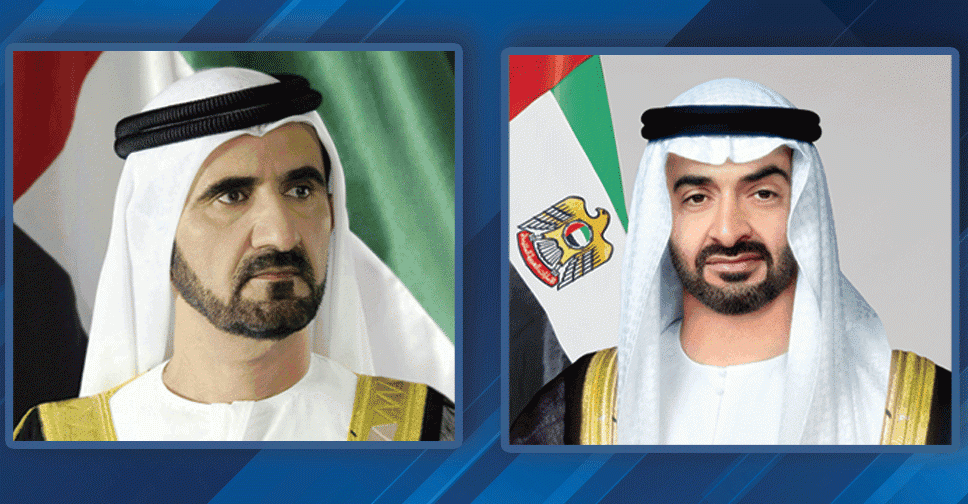 UAE leaders highlight youth's role central to nation's future
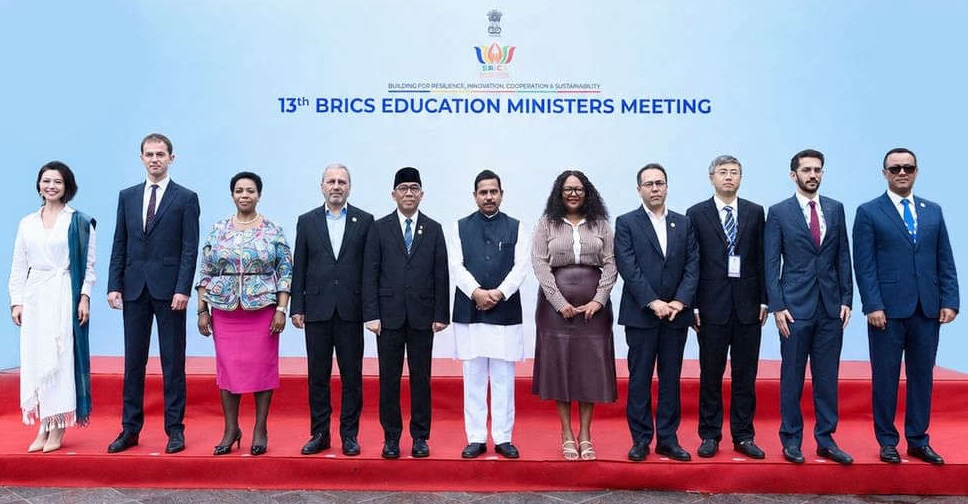 UAE highlights flexible, skills-based education model at BRICS meeting
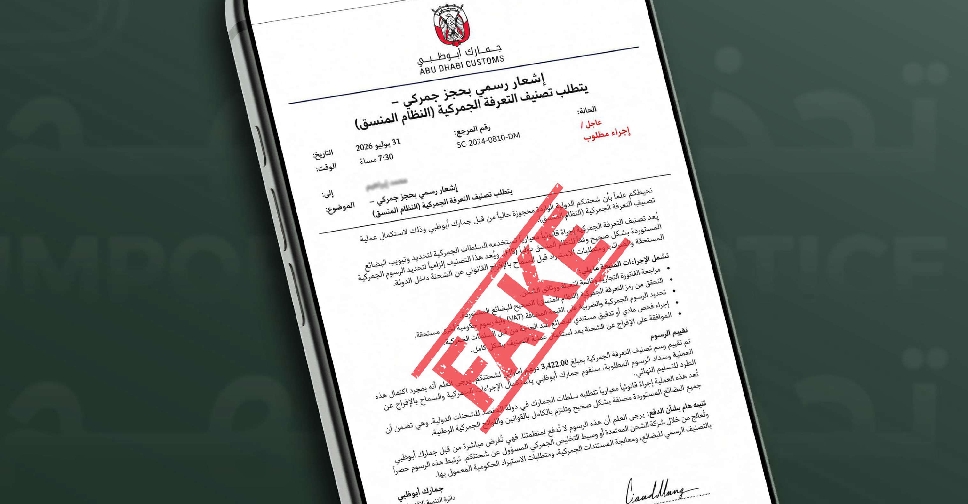 Abu Dhabi Customs raises alert over fraudulent messages

