


The UAE's new law for non-Muslim expatriates, covering matters related to marriage, divorce, child custody and inheritance, comes into effect today.
The Federal Personal Status Law, which was announced in December 2022, is designed to bring the UAE in line with international practices and to make the country more appealing to live and work in.
It sets down procedures for documenting marriage contracts before courts and finalising divorces, and outlines the process for settling the financial claims after divorce.
Joint and equal custody of children will be automatically granted to parents after divorce.
The new law also regulates procedures for inheritance, wills and proof of paternity.
The provisions of the law apply to non-Muslim foreigners residing in the UAE unless someone wishes to apply the law of his/her home country.
"According to this law, women are granted equal rights in regards to providing witness testimony, inheritance, the right to file for divorce, and joint custody of the children until they are 18 years old. Subsequently, the children will have the right to choose between their parents,” said Dr. Hasan Elhais from Al Rowaad Advocates.
"This means that women’s testimony in court will be equal to that of a man."
He explained that in regards to custody, it is granted equally to both parents unless one parent submits a request to the court seeking to exclude the other parent based on the best interest of the child.
"In this case, both parents will be able to file requests to court which will then decide what is best for the child."
He said civil marriage contracts are acknowledged by this law and must meet a set of conditions that include the need for spouses to be at least twenty-one years old, and to give approval by filling out a declaration form in front of the judge.
To file for divorce according to the new law, one spouse must inform the court of their desire to terminate their marriage, without having to justify, explain or blame the other spouse.
They can request a divorce without proving that any harm was done during their marriage.
"Some of the changes that stand out in this law is its adoption of the Gregorian calendar instead of Hijri and dismissing the requirement to seek family guidance in cases of divorce," explained Elhais.
"One more important change is that alimony is now calculated and decided based on several factors that include years of marriage, the financial status of both spouses and the extent of how much the husband is responsible for the divorce," he added.


 UAE President, King of Bahrain discuss stronger ties and regional stability
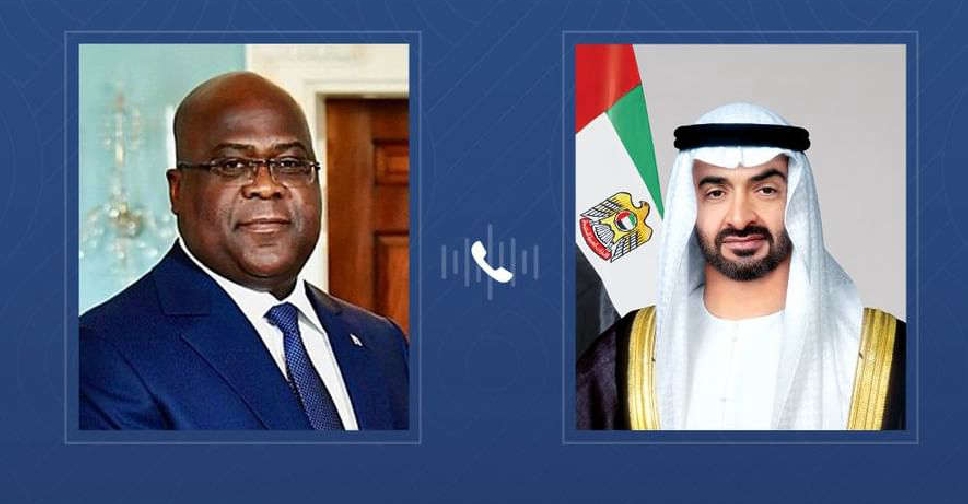 UAE, DR Congo Presidents discuss strengthening cooperation under CEPA
 UAE leaders highlight youth's role central to nation's future
 UAE highlights flexible, skills-based education model at BRICS meeting
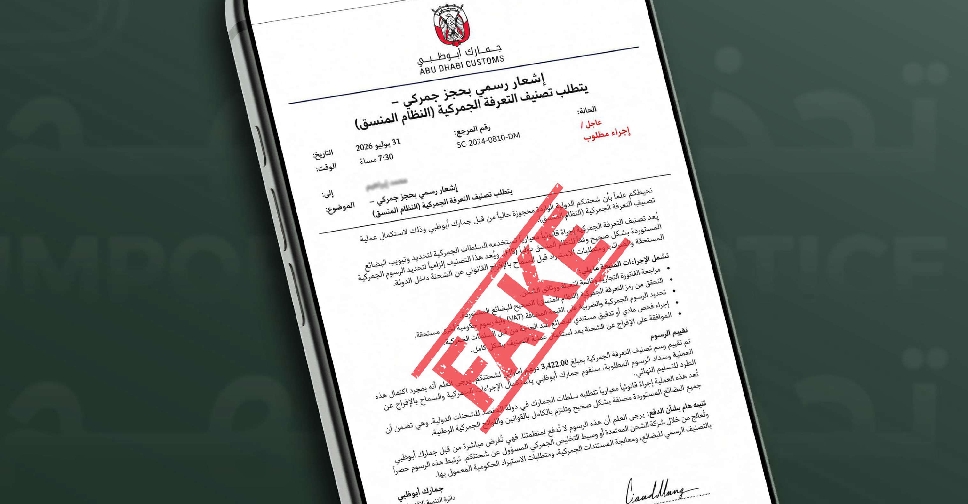 Abu Dhabi Customs raises alert over fraudulent messages
 UAE President meets Lulu founder Yusuff Ali during Abu Dhabi store visit
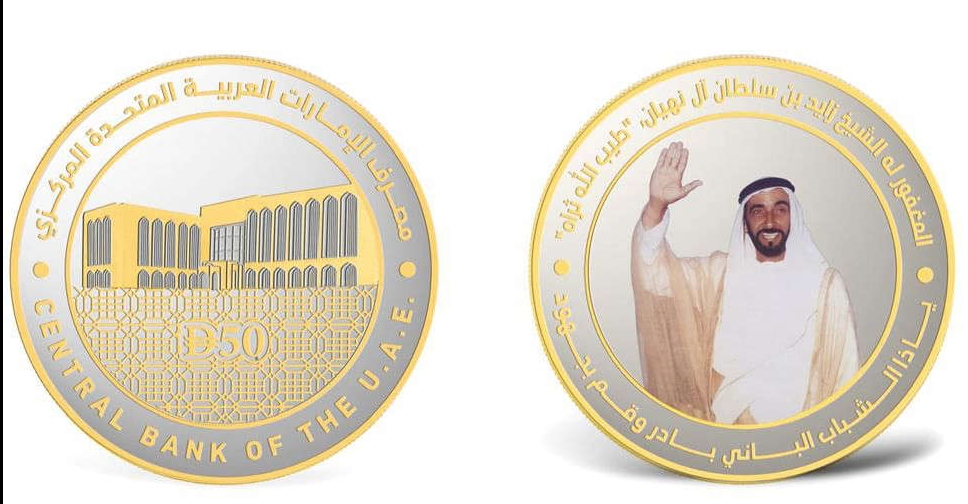 UAE issues special coins to mark contribution of youth in country's progress
 Sharjah Ruler approves 470 scholarships for new academic year
 UAE continues mobile health clinic operations in Gaza
 UAE expands youth empowerment efforts across key sectors
 UAE authorities seize 3.5 million non-compliant excise goods
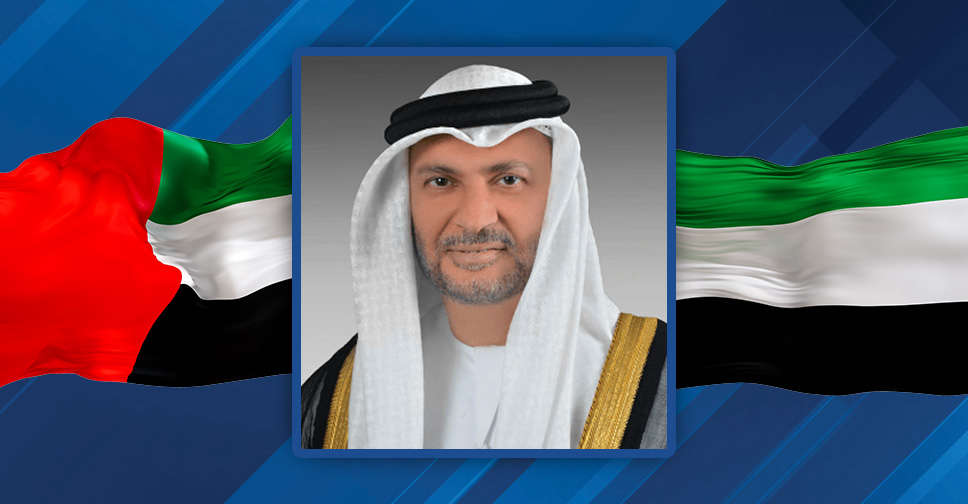 Gargash highlights need to end region's 'indefinite' state
 UAE pays out AED512 million under unemployment insurance scheme
 UAE expresses support for Colombia after deadly earthquake
 UAE thwarts cyberattacks targeting aviation, energy and education sectors
 UAE's post-pandemic hiring recovery among world’s strongest
 UAE Minister of State holds talks with President of Zimbabwe
 New lane on Sheikh Zayed Road to improve access to WTC intersection
 Nominations for first Dubai-it Award open August 10
 UAE convoys deliver 663 tonnes of aid to Gaza

