

The 39th Cospas-Sarsat Joint Committee meeting that provides a platform for international collaboration in advancing global emergency response systems has kicked off in Abu Dhabi.
Organised by the National Search and Rescue Centre (NSRC) of the National Guard, the event will run until June 5 under the patronage of Major General Staff Pilot Saleh Mohammed bin Mejren Al Ameri, Commander of the National Guard.
Hosting the event for the first time, it will see the participation of more than 200 experts from 45 countries, including representatives from the International Civil Aviation Organisation (ICAO), the International Maritime Organisation (IMO), and the International Telecommunication Union (ITU).
In his opening remarks, Colonel Staff Pilot Rashed Al Naqbi, Manager of NSRC, emphasised the UAE’s commitment to fostering strategic partnerships and exchanging expertise with international entities to save lives and enhance response times and accuracy.
Allan Knox, Head of the Cospas-Sarsat delegation and Chair of the 39th Joint Committee Meeting, expressed confidence that the outcomes of the meeting would contribute to the development of global rescue services and help save more lives.
What is COSPAS-SARSAT
COSPAS-SARSAT facilitates the detection and transmission of distress signals via satellite to ensure rapid and effective life-saving interventions. Since its inception in 1982, the programme has contributed to saving more than 66,000 lives worldwide.
The UAE joined COSPAS-SARSAT in 2009 and has since taken an active role in shaping its mission, incorporating world-class standards and pioneering technologies in search and rescue operations.
The NSRC manages nine advanced ground stations and a 24|7 coordination hub. The centre has conducted over 1,200 operations between 2024 and the first quarter of 2025, including land and sea rescues, airborne evacuations and rapid responses to distress signals.
Its fleet of AW139 helicopters, equipped with night vision and thermal imaging, is deployed across five zones in the UAE. The centre also monitors key maritime and terrestrial distress frequencies, ensuring rapid and coordinated responses.
In alignment with the UAE’s National Artificial Intelligence Strategy, the NSRC integrates AI technologies to analyse distress signals in real time, further reducing response times and enhancing accuracy. Innovations such as the Traffic Collision Avoidance System (TCAS) and AI-driven platforms have contributed to positioning the UAE at the forefront of next-generation emergency response.

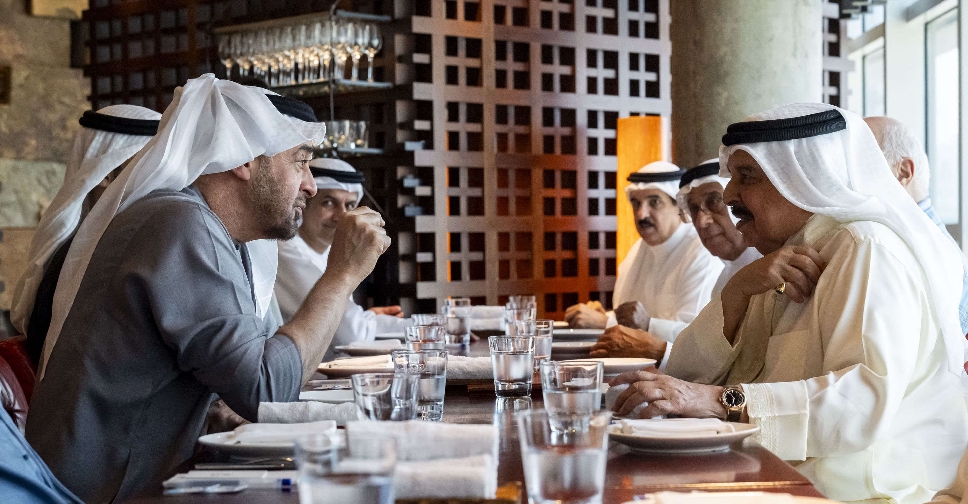 UAE President, King of Bahrain discuss stronger ties and regional stability
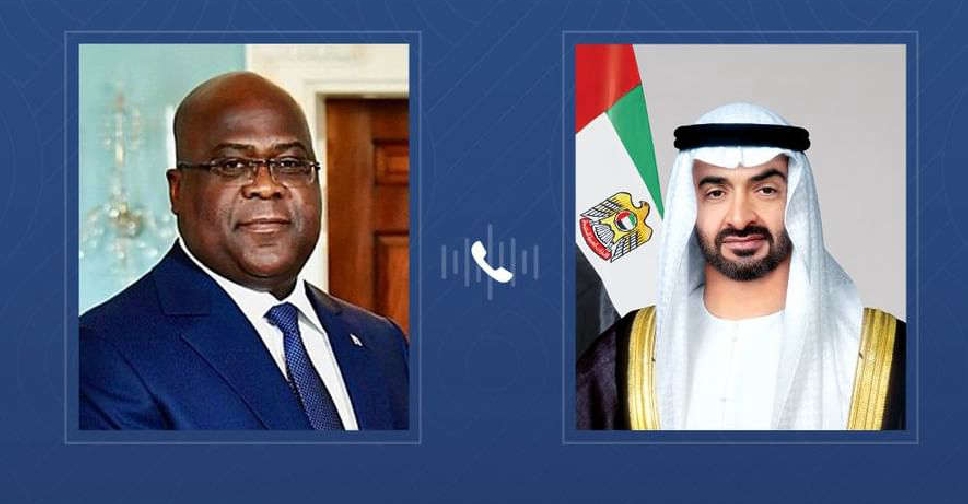 UAE, DR Congo Presidents discuss strengthening cooperation under CEPA
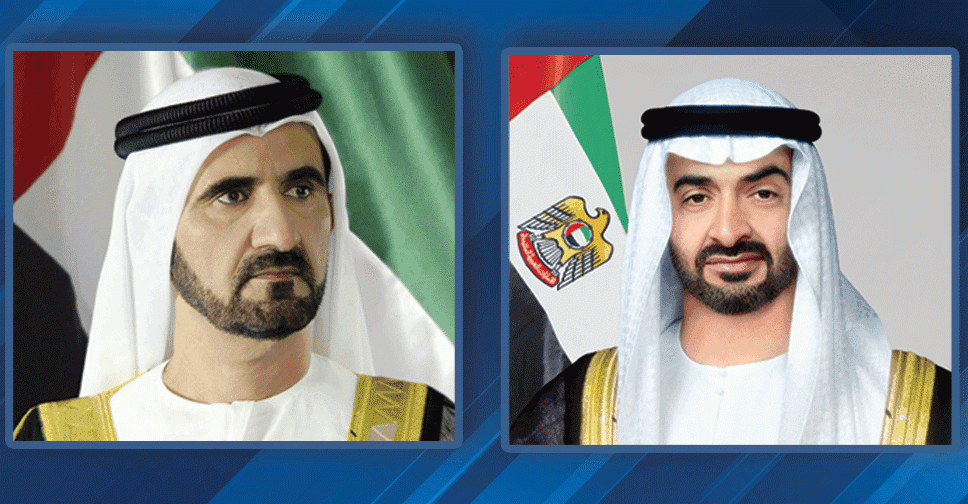 UAE leaders highlight youth's role central to nation's future
 UAE highlights flexible, skills-based education model at BRICS meeting
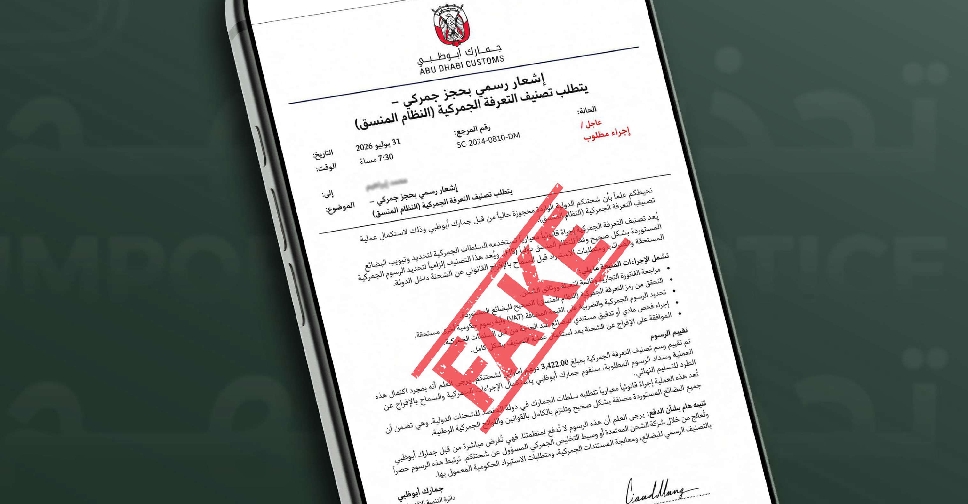 Abu Dhabi Customs raises alert over fraudulent messages
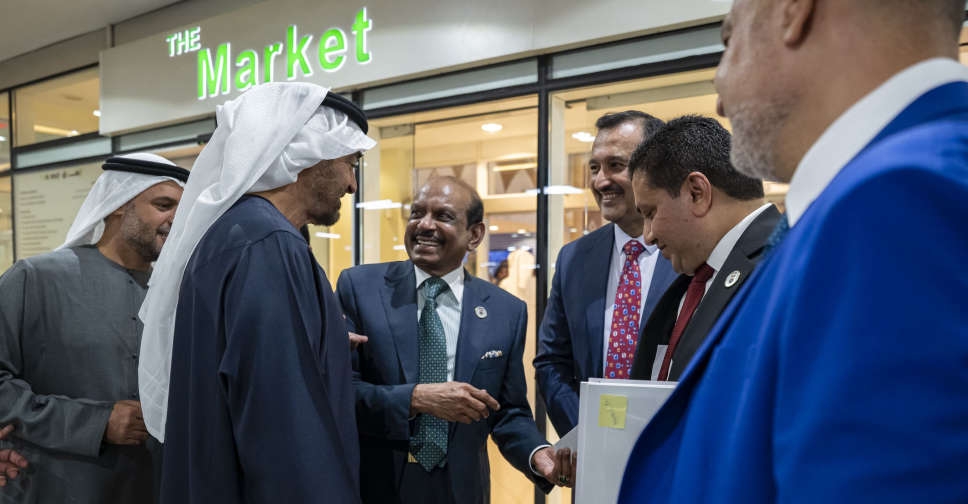 UAE President meets Lulu founder Yusuff Ali during Abu Dhabi store visit
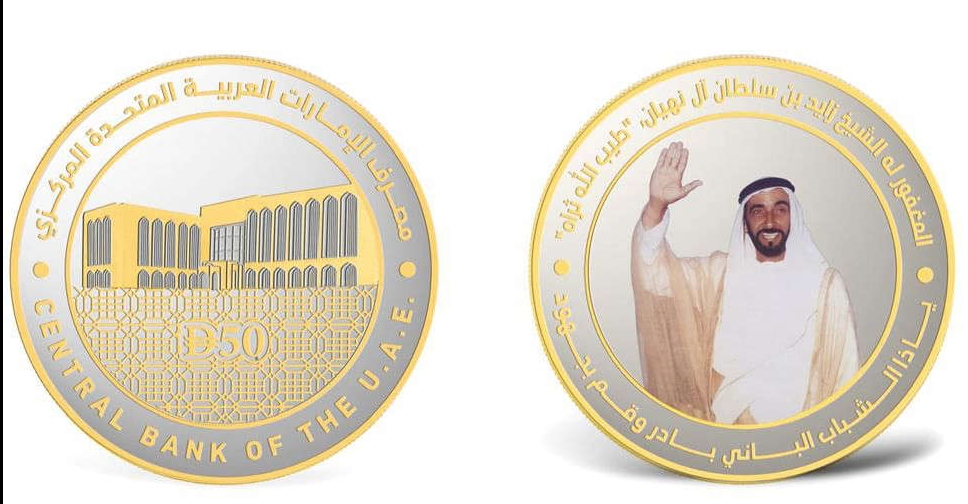 UAE issues special coins to mark contribution of youth in country's progress
 Sharjah Ruler approves 470 scholarships for new academic year
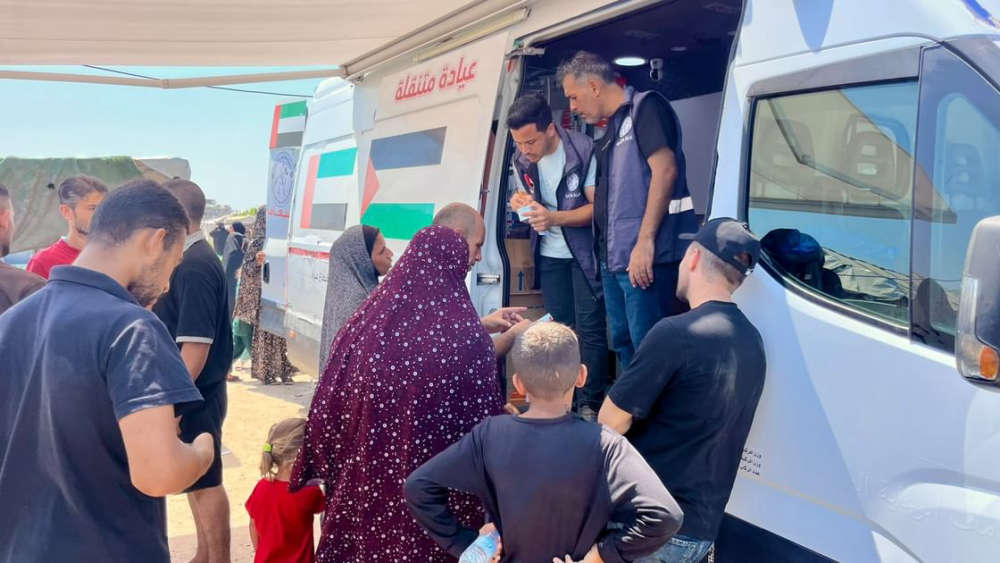 UAE continues mobile health clinic operations in Gaza
 UAE expands youth empowerment efforts across key sectors
 UAE authorities seize 3.5 million non-compliant excise goods
 Gargash highlights need to end region's 'indefinite' state
 UAE pays out AED512 million under unemployment insurance scheme
 UAE expresses support for Colombia after deadly earthquake
 UAE thwarts cyberattacks targeting aviation, energy and education sectors
 UAE's post-pandemic hiring recovery among world’s strongest
 UAE Minister of State holds talks with President of Zimbabwe
 New lane on Sheikh Zayed Road to improve access to WTC intersection
 Nominations for first Dubai-it Award open August 10
 UAE convoys deliver 663 tonnes of aid to Gaza

