

A programme to monitor plastic pollution in the sea and coastal areas of the country has been launched by the Ministry of Climate Change and Environment (MoCCAE).
The study aims to identify the types of waste reaching the country's waters and then implement measures to limit its environmental impact, in line with its efforts to preserve marine resources, seawater quality, and beach cleanliness within the general framework of the Year of Sustainability.
A series of scientific studies will be conducted as part of the programme to enhance efforts to reduce plastic waste, using a wide range of methods to measure the quantities and sizes of plastic waste in the country’s seawater and beaches.
The study aims to identify the types of plastic pollution in the country's waters and then implement the necessary precautionary measures to ensure the safety and health of humans and marine life. Additionally, it highlights the importance of adopting responsible consumption within society to minimise plastic waste and avoid disposing of it in seawater and the environment in general.
Dr. Mohamed Al Hammadi, Assistant Under-Secretary for Biodiversity and Marine Life Sector at the Ministry of Climate Change and Environment, said, "The programme contributes to the United Arab Emirate’s achieving the 14th Sustainable Development Goal set by the United Nations, which aims to conserve the oceans, seas, and marine resources and use them sustainably for achieving sustainable development."
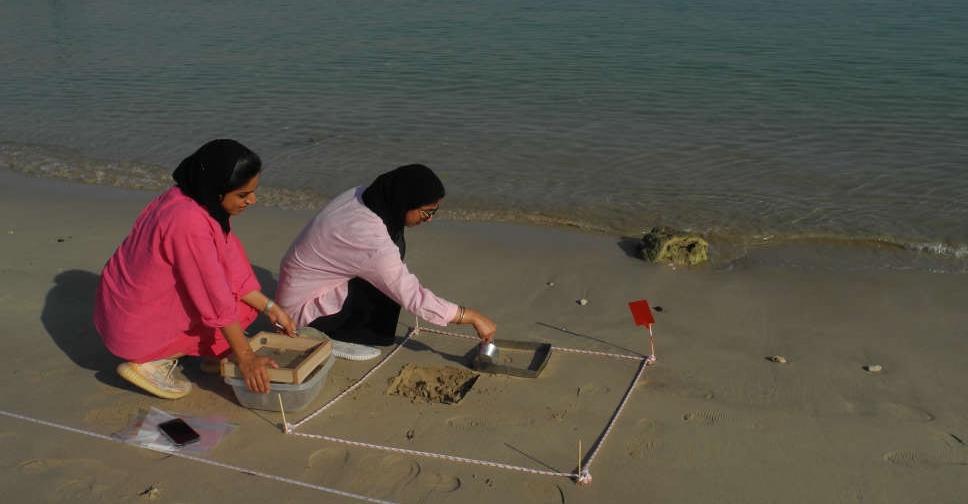
As part of the programme to monitor plastic pollution in the country’s water and beaches, a team from the Marine Environment Research Centre affiliated with the Ministry carried out a study to monitor plastic waste in the marine and coastal environments of the UAE.
Samples were collected from nine beaches along the country’s coastal area to measure the amount of plastic waste. These samples included beach waste, macroplastics, and microplastics.
The seawater samples were collected from 14 stations along the country's coastlines to measure the quantity of microplastics based on the topography and terrain of coastal areas and the dynamics of marine currents.
The collected beach waste was classified according to its type and weight following the United Nations Environment Program and the Intergovernmental Oceanographic Commission (UNEP-GESAMP) classification system. The necessary tests were conducted at the Marine Environment Research Centre laboratories.
Plastic waste is regarded as one of the most challenging environmental problems as it impacts water quality and soil and threatens the survival of terrestrial and marine organisms and human life. Many countries worldwide are working to reduce plastic production to alleviate pressure on the ecosystem.


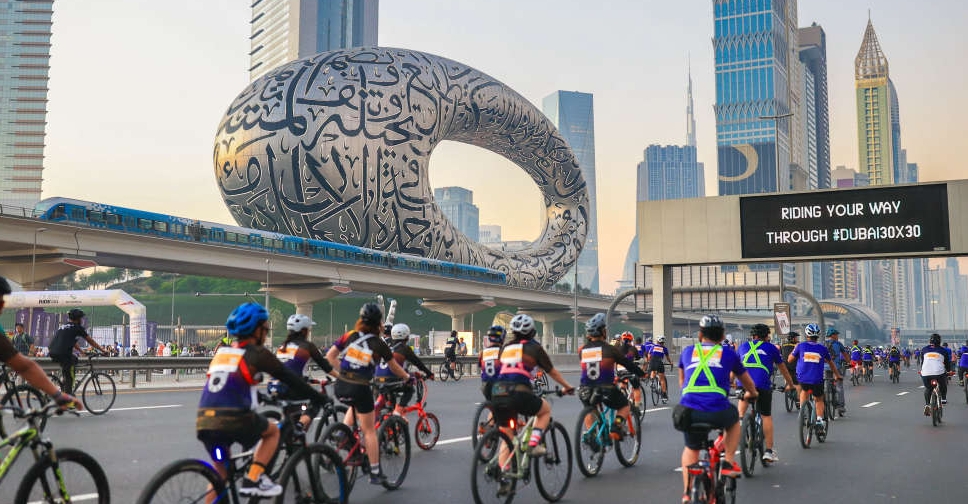 Dubai Fitness Challenge returns for another exciting edition
 UAE President, King of Bahrain discuss stronger ties and regional stability
 UAE-built AI satellite Altair-1 heads to US ahead of October launch
 New bridge to cut travel time from DWTC to Al Mustaqbal Street
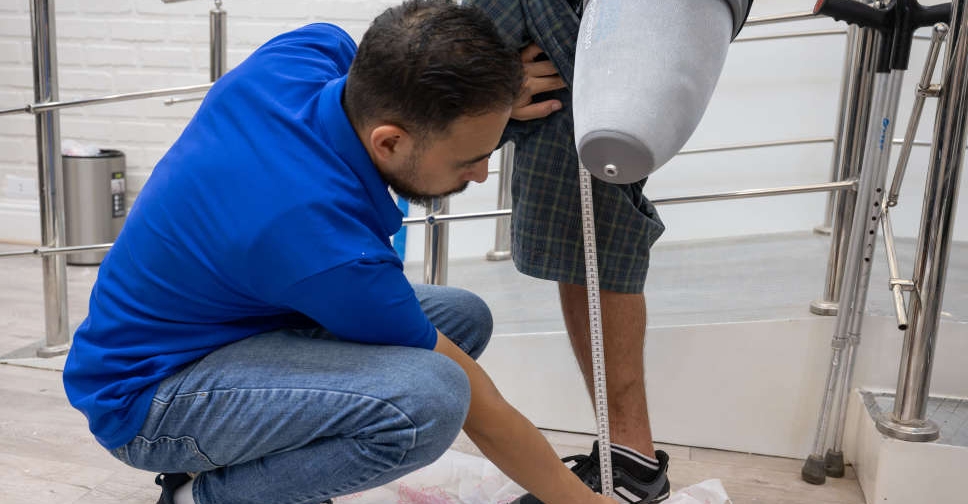 UAE Floating Hospital fits prosthetic limbs for 21 more Palestinian amputees
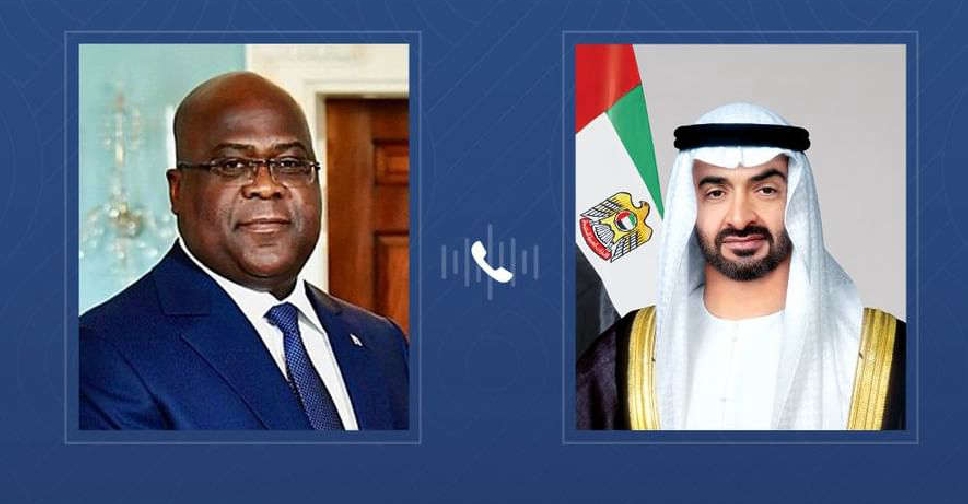 UAE, DR Congo Presidents discuss strengthening cooperation under CEPA
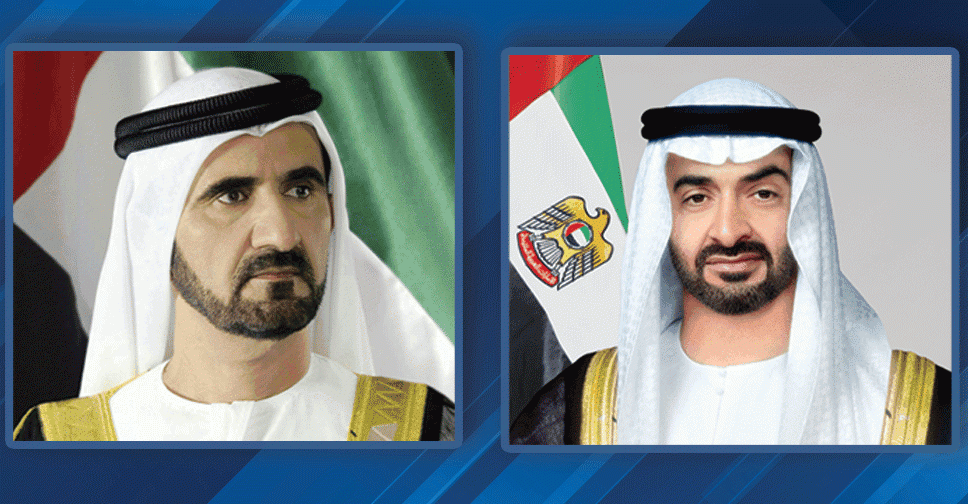 UAE leaders highlight youth's role central to nation's future
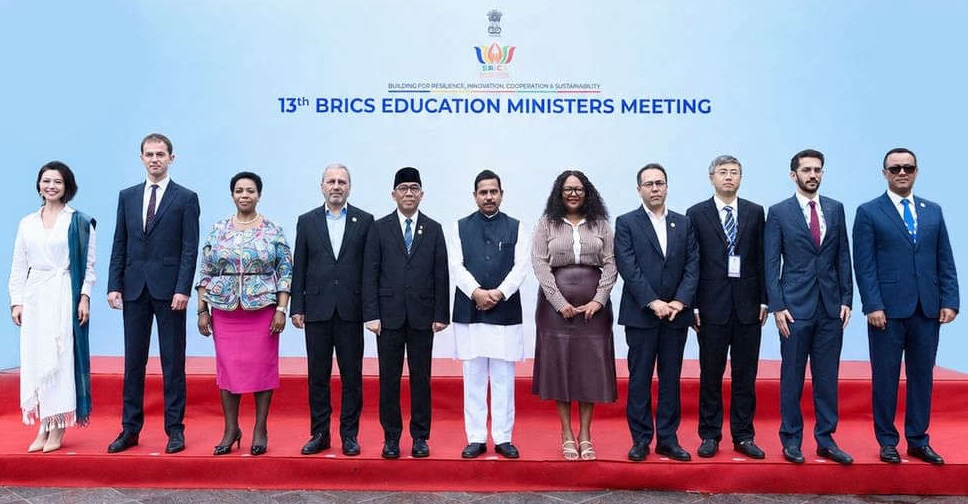 UAE highlights flexible, skills-based education model at BRICS meeting
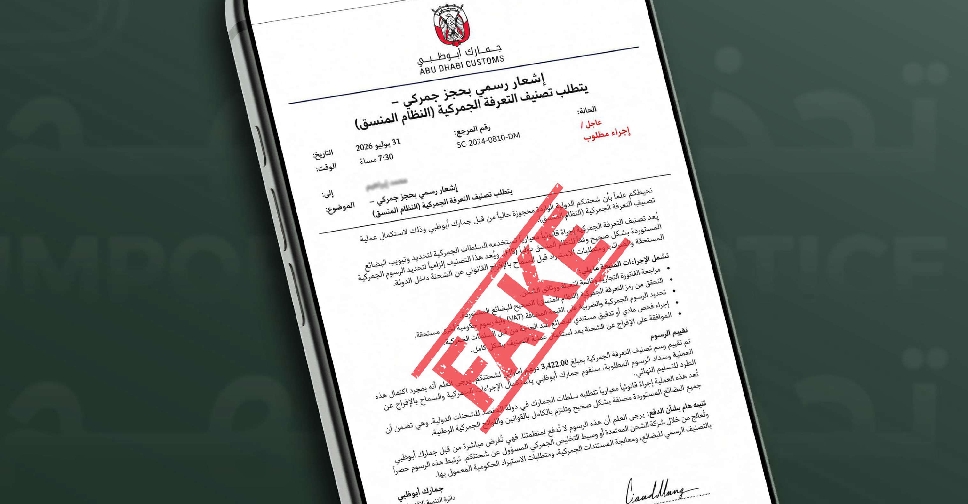 Abu Dhabi Customs raises alert over fraudulent messages
 UAE President meets Lulu founder Yusuff Ali during Abu Dhabi store visit
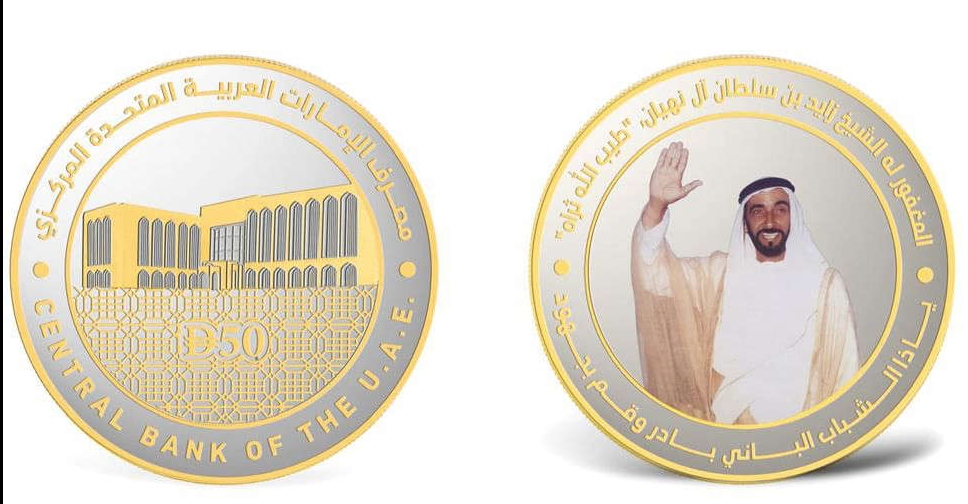 UAE issues special coins to mark contribution of youth in country's progress
 Sharjah Ruler approves 470 scholarships for new academic year
 UAE continues mobile health clinic operations in Gaza
 UAE expands youth empowerment efforts across key sectors
 UAE authorities seize 3.5 million non-compliant excise goods
 Gargash highlights need to end region's 'indefinite' state
 UAE pays out AED512 million under unemployment insurance scheme
 UAE expresses support for Colombia after deadly earthquake
 UAE thwarts cyberattacks targeting aviation, energy and education sectors
 UAE's post-pandemic hiring recovery among world’s strongest

