

Surgery should be delayed for seven weeks after a patient tests positive for COVID-19 in order to reduce the risk of death.
That's according to a new global study, which found that patients are more than two-and-a-half times more likely to die, if the procedure takes places in the six weeks following a positive COVID-19 diagnosis.
Led by experts at the University of Birmingham, more than 25,000 surgeons worked together on the study as part of the COVIDSurg Collaborative.
They collected data from 140,727 patients in 1,674 hospitals across 116 countries including the UAE, Australia, the UK, the US, Brazil, China and India.
It's one of the world’s largest and broadest studies on surgery.
Dr. Sattar Alshryda (Al Jalila Children’s Specialty Hospital) and Dr. Hayder Al Saadi (Rashid Hospital), the UAE leads for the study, explained that 13 centres and over 40 researchers took part in the study and have contributed over 1,000 participants.
This collaboration has also laid the ground to the birth of a new network of orthopaedic researchers, provisionally named (U-TORCH) which stands for United Arab Emirates Trauma and Orthopaedic Research Champions. The purpose is to foster a nationwide, high quality research across the country.
Co-lead author Dr Dmitri Nepogodiev, from the University of Birmingham, said: "We recommend that whenever possible surgery should be delayed for at least seven weeks after a positive SARS-CoV-2 test result, or until symptoms resolve if patients have ongoing symptoms for 7 weeks or more after diagnosis."
Co-lead author Mr Aneel Bhangu, from the University of Birmingham, added: "Decisions regarding delaying surgery should be tailored for each patient, since the possible advantages of a minimum seven-week delay following SARS-CoV-2 diagnosis must be balanced against the potential risks of delay. For some urgent surgeries, for example for advanced tumours, surgeons and patients may decide that the risks of delay are not justified."
While it is known that infection with SARS-CoV-2 during surgery increases mortality and international guidelines recommend surgery should be delayed for patients testing positive for COVID-19, there is little evidence regarding the optimal duration of delay.
Participating hospitals included all patients undergoing a surgical procedure in October 2020. Patients, who became infected with SARS-CoV-2 after their surgery, were excluded from the study. The primary outcome measure was 30-day postoperative death.
Statistical modelling was used to adjust for patient, disease, and operation variables and calculate adjusted 30-day mortality rates for different time periods from SARS-CoV-2 diagnosis to surgery.
Time to surgery from SARS-CoV-2 diagnosis was 0-2 weeks in 1,144 (0.8 per cent), 3-4 weeks in 461 (0.3 per cent), 5-6 weeks in 327 (0.2 per cent), 7 weeks or more in 1,205 (0.9 per cent), and 137,590 (97.8 per cent) did not have SARS-CoV-2 infection. Adjusted 30-day mortality in patients who did not have SARS-CoV-2 infection was 1.5 per cent. This was increased in patients operated at 0-2 weeks (4.0 per cent), 3-4 weeks (4.0 per cent), and at 5-6 weeks (3.6 per cent), but not at 7-8 weeks (1.5 per cent) after SARS-CoV-2 diagnosis.
These findings were consistent across age groups, differing severity of the patient’s condition, urgency of surgery, and grade of surgery and in sensitivity analyses for elective surgery. Following a delay of seven weeks or more, patients with ongoing COVID-19 symptoms (6.0 per cent) had higher mortality than patients whose symptoms had resolved (2.4 per cent) or who had been asymptomatic (1.3 per cent).


 UAE President, King of Bahrain discuss stronger ties and regional stability
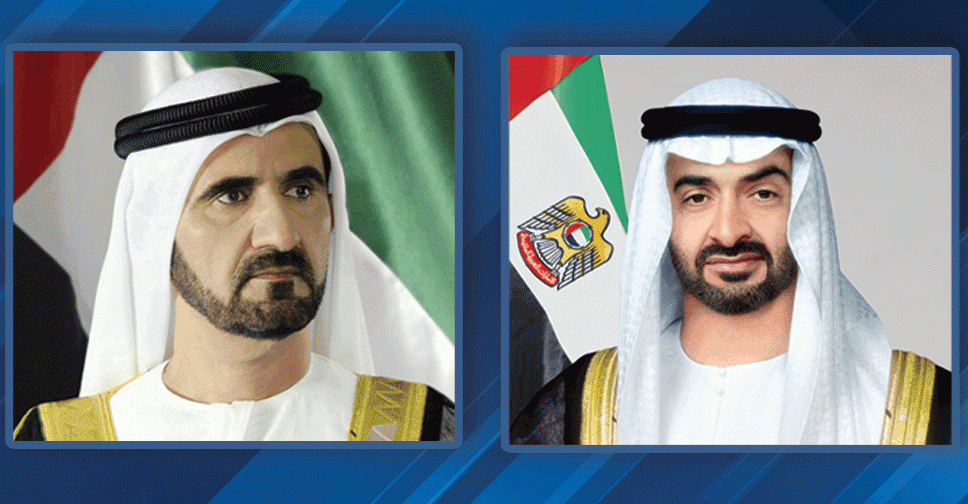 UAE leaders highlight youth's role central to nation's future
 UAE highlights flexible, skills-based education model at BRICS meeting
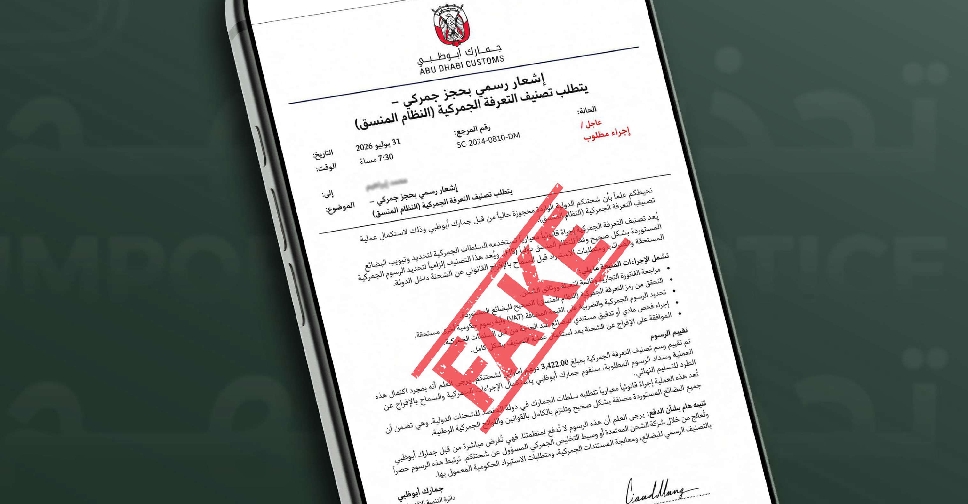 Abu Dhabi Customs raises alert over fraudulent messages
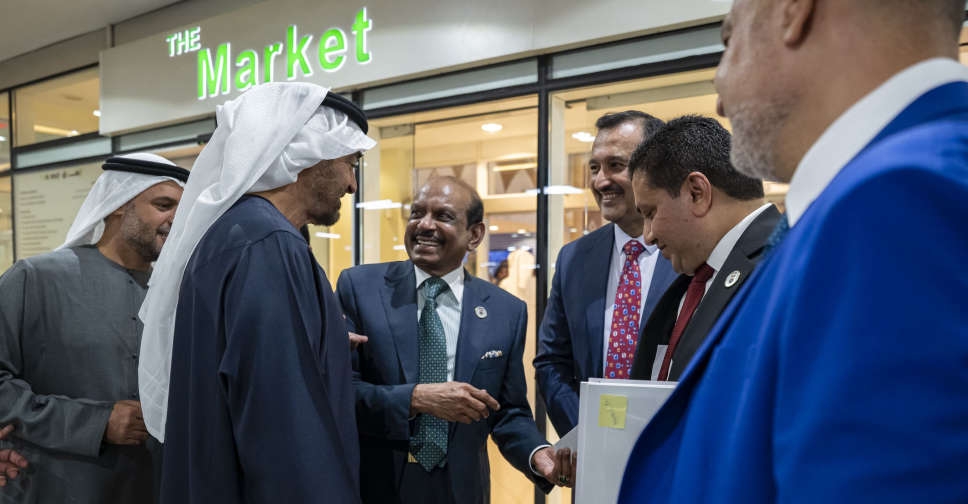 UAE President meets Lulu founder Yusuff Ali during Abu Dhabi store visit
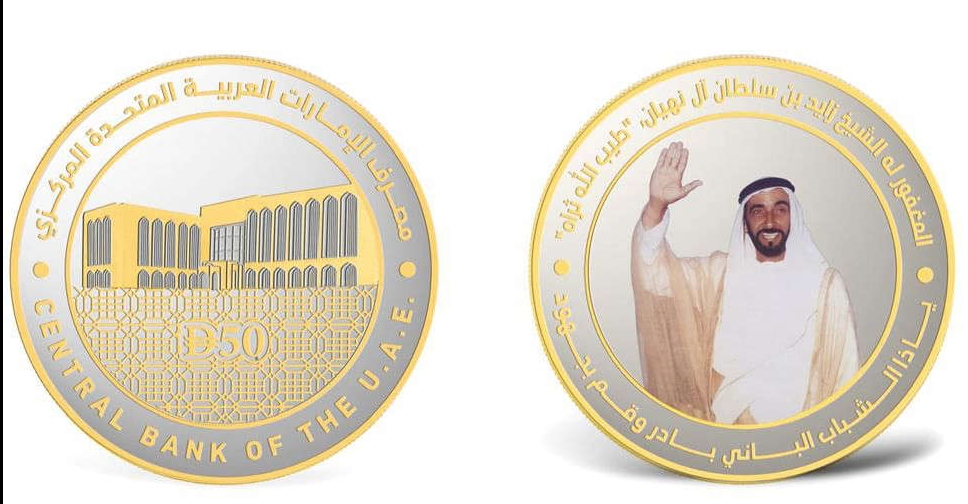 UAE issues special coins to mark contribution of youth in country's progress
 Sharjah Ruler approves 470 scholarships for new academic year
 UAE continues mobile health clinic operations in Gaza
 UAE expands youth empowerment efforts across key sectors
 UAE authorities seize 3.5 million non-compliant excise goods
 Gargash highlights need to end region's 'indefinite' state
 UAE pays out AED512 million under unemployment insurance scheme
 UAE expresses support for Colombia after deadly earthquake
 UAE thwarts cyberattacks targeting aviation, energy and education sectors
 UAE's post-pandemic hiring recovery among world’s strongest
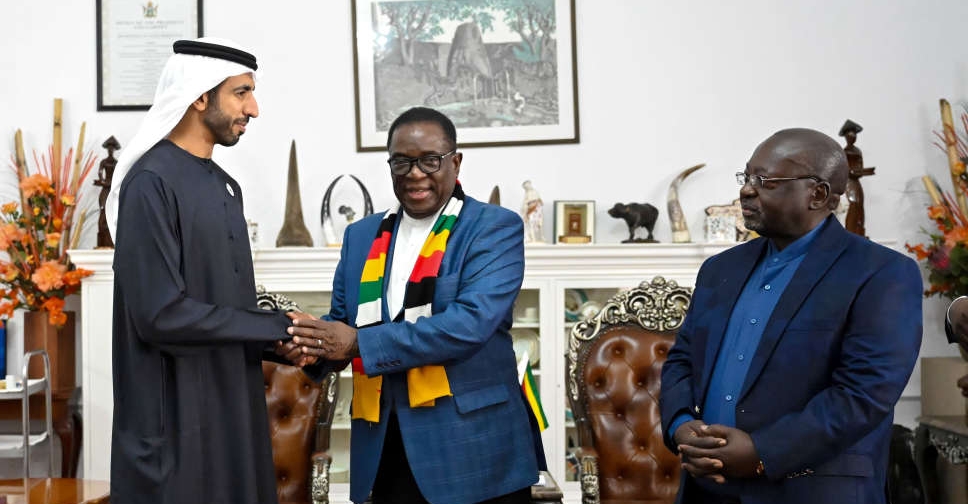 UAE Minister of State holds talks with President of Zimbabwe
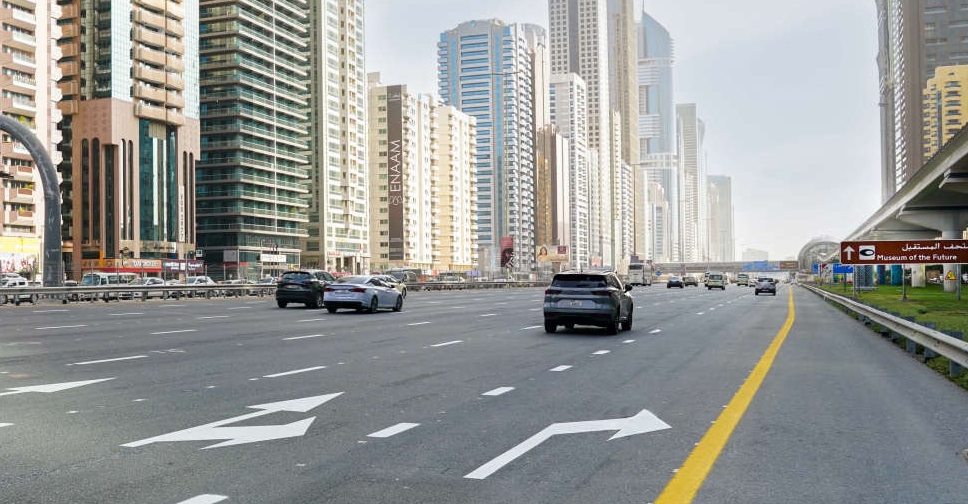 New lane on Sheikh Zayed Road to improve access to WTC intersection
 Nominations for first Dubai-it Award open August 10
 UAE convoys deliver 663 tonnes of aid to Gaza
 Irish authorities praise UAE over Daniel Kinahan extradition

