
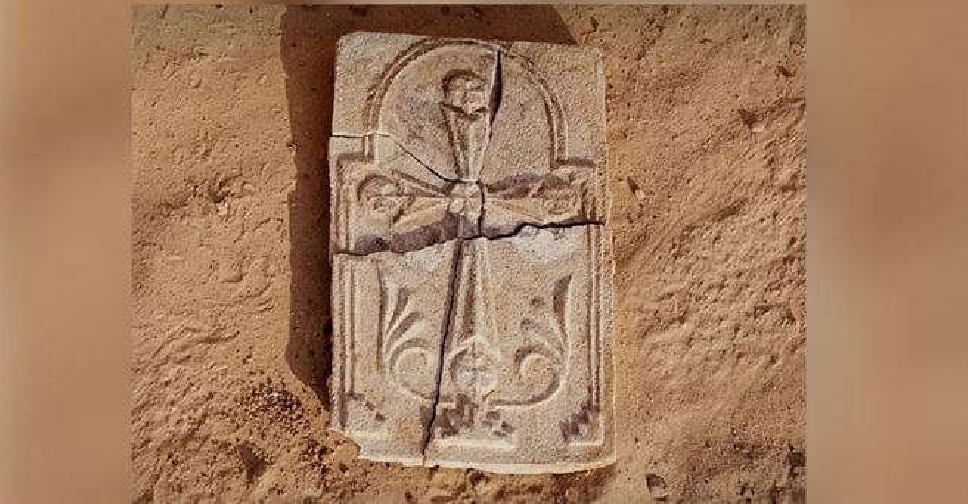
Archeologists in Abu Dhabi discovered a Christian faith cross moulded onto a plaque that has been dated to the 7th or 8th century on Sir Bani Yas Island, as the emirate reignites efforts to unearth its history.
The style of the cross shows similarities with finds from Iraq and Kuwait, and is linked to the Church of the East, which has origins in ancient Iraq.
The emirate had launched a new fieldwork campaign on Sir Bani Yas Island in January.
The find is the first major excavation in over 30 years, when a seventh-to eighth-century Christian monastery was first discovered on Sir Bani Yas Island.
His Excellency Mohamed Khalifa Al Mubarak, Chairman, DCT Abu Dhabi, said, “The discovery of this ancient Christian cross on Sir Bani Yas Island is a powerful testament to the UAE’s profound and enduring values of coexistence and cultural openness. It stirs within us a deep sense of pride and honour and reminds us that peaceful coexistence is not a modern construct, but a principle woven into the very fabric of our region’s history."
“The ongoing discoveries from Sir Bani Yas Island, even after 30 years of research and excavation, underscore the magnitude of our cultural legacy and the importance of our continued commitment to its preservation and understanding."
"These discoveries deepen our connection to the past and inspire future generations to embrace the spirit of unity and mutual respect that has long defined our community.”
Excavations since 1992 have uncovered a church and a monastic complex occupied at the same time as the monastery. They are currently interpreted as separate spaces, where senior monks retreated for periods of contemplation and ascetic seclusion.
Archaeologists are currently researching and exploring a group of courtyard houses near the monastery, where early Christian monks lived in retreat.
Sir Bani Yas is part of a wider group of churches and monasteries that emerged across the region around the same period, with similar sites found in Umm Al Quwain, Kuwait, Iran, and Saudi Arabia.
Christianity spread and declined across the Arabian Peninsula between the fourth and sixth centuries CE.
Christians and Muslims later co-existed until the eighth century CE, when the Sir Bani Yas monastery was abandoned.
Today, the church and the monastery, set within nature reserves home to gazelles and hyrax, serve as a reminder of Abu Dhabi’s ancient past.
As part of restoration efforts carried out by DCT Abu Dhabi in 2019, the church and monastery are now protected by shelters.
The Sir Bani Yas church and monastery site has reopened to the public with improved facilities, including directional signage and a small exhibition of artefacts from previous excavations, such as glass chalices, a cross-shaped stucco, and a stamp seal with a scorpion motif.
A multi-faith church, inspired by the ancient site, has also been built adjacent to the visitor centre.

 'Abu Dhabi Declaration' adopted as UN crime congress opens
 UAE expresses solidarity with DR Congo over plane crash
 H.H. Sheikh Abdullah holds series of meetings at UN General Assembly
 UAE allocates $10 million to fight Ebola outbreak in Africa
 Dubai event prepares more than 10 million meals for Gaza
 Abu Dhabi Police urges parents to ensure children use e-scooters safely
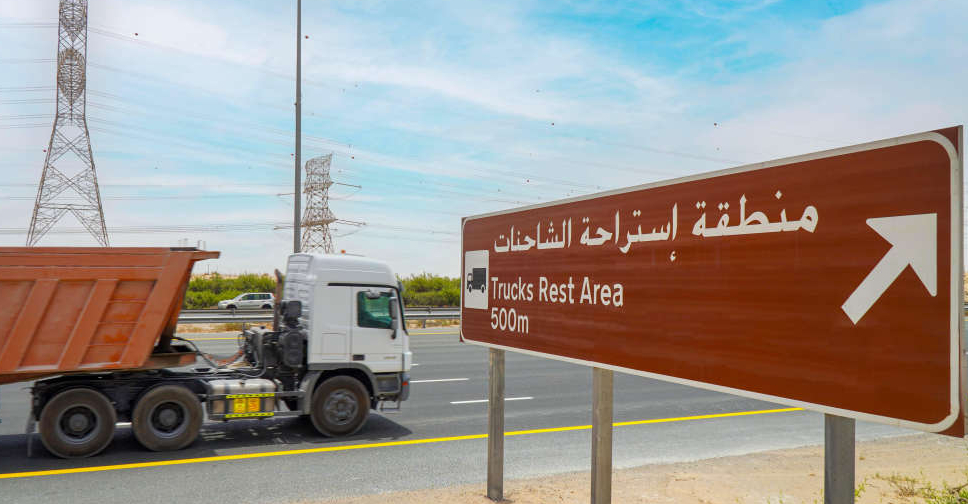 Dubai to ban trucks on key roads during 'peak hours'
 Dubai Police issues warning after driver passes out and crashes car
 Sheikh Abdullah holds high-level meetings with global leaders in New York
 Sharjah Police recovers stolen car within record 2 hours
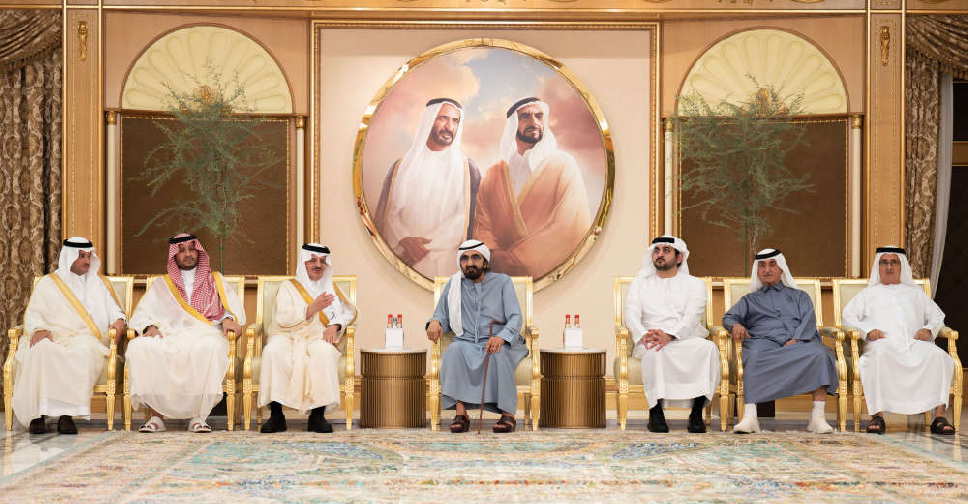 High-level Saudi delegation offers condolences to H.H. Sheikh Mohammed
 Sharjah Police refutes reports of murder victim's family going missing
 UAE condemns attacks in Ethiopia, urges de-escalation
 UAE strengthens focus on early childhood, family wellbeing
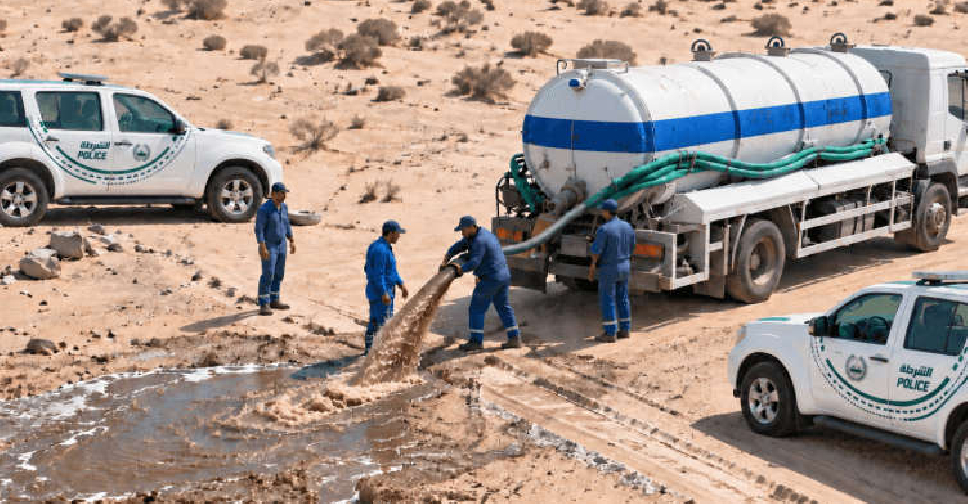 17 tanks seized in Dubai for illegal waste disposal in first half of 2026
 Dubai Municipality records over 2,000 violations in residential areas
 UAE announces suspension of Iranian airlines' flights
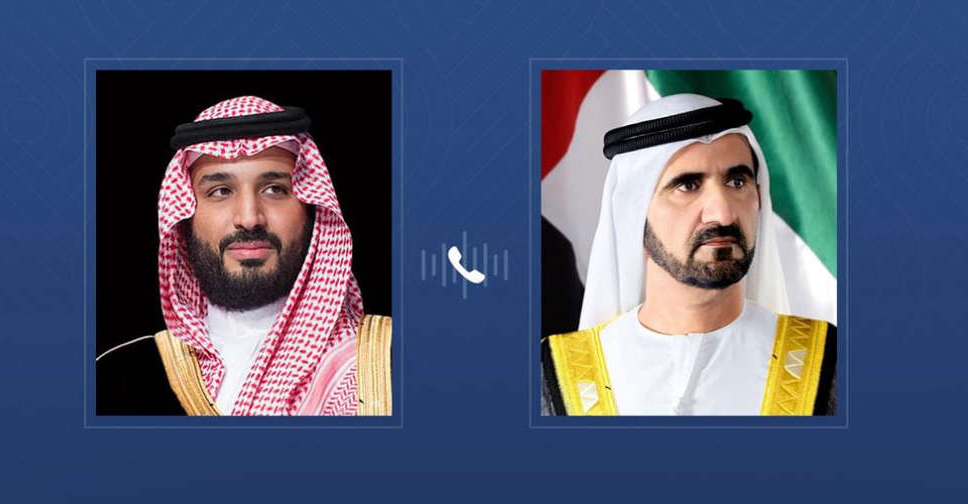 Saudi Crown Prince offers condolences to H.H. Sheikh Mohammed
 UAE to equip one million Lebanese in AI skills under new partnership

