

A UAE resident has been deported for using social media to 'celebrate' last Friday's mosque attacks in Christchurch which left 50 people dead.
The Transguard Group employee posted about the attacks on Facebook under a fake name.
He was handed over to police after an internal investigation was launched by the company.
In a statement, Transguard said they 'have a zero-tolerance policy for the inappropriate use of social media.'
They also said the former-employee was stripped of his security credentials and fired before being handed over to the relevant authorities.
28-year-old Brenton Tarrant from Australia has been charged with murder following the attack on two mosques in the city.
He is suspected white supremacist and right-wing extremist.
Burials have begun for the victims, with the bodies of Khaled and his son Hamza Mustafa laid to rest at Christchurch’s Memorial Park Cemetery.

 Gargash: ADNOC tankers' targeting will not deter UAE from moving forward
 Dubai Customs foils attempt to export over 70 million illicit cigarettes
 UAE expresses support for Indonesia after deadly earthquake
 ADNOC confirms attack on vessel in Strait of Hormuz
 UAE commends Kuwait’s vigilance in foiling terrorist plot
 Public invited to help shape UAE gender balance strategy
 UAE strongly condemns Iranian attack on ADNOC vessels
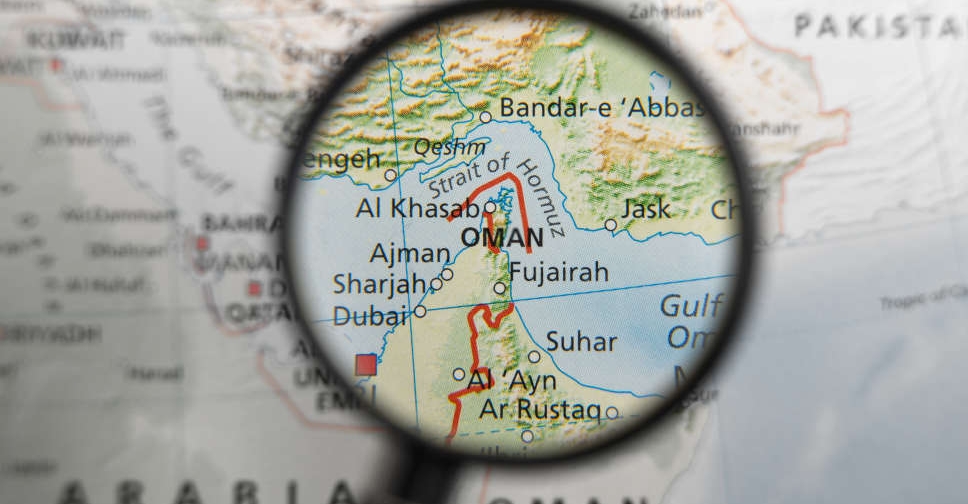 Arab nations condemn Iranian attack on ADNOC tankers
 Abu Dhabi shuts down cafe over food safety violations
 Dubai Police warn of cyber threats on gaming platforms
 UAE allocates $10 million for Colombia earthquake relief
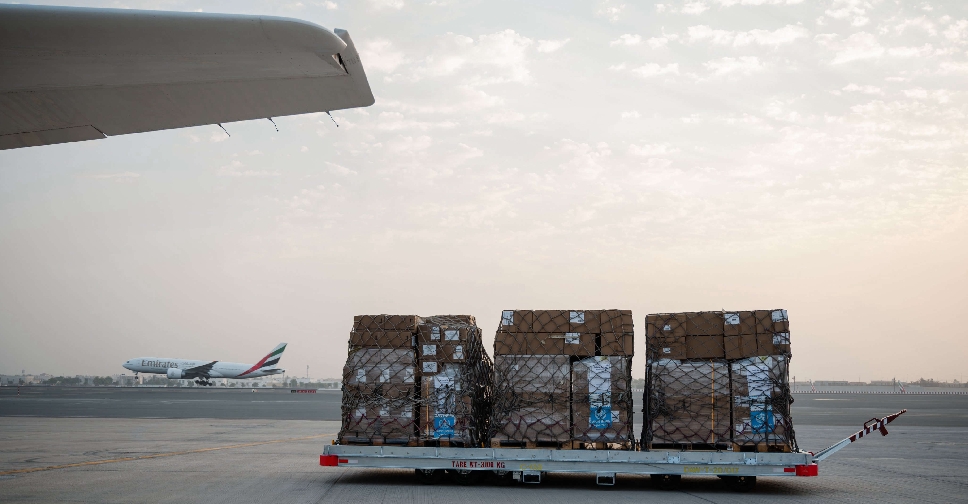 Dubai Humanitarian launches air bridge to deliver vital aid to Gaza
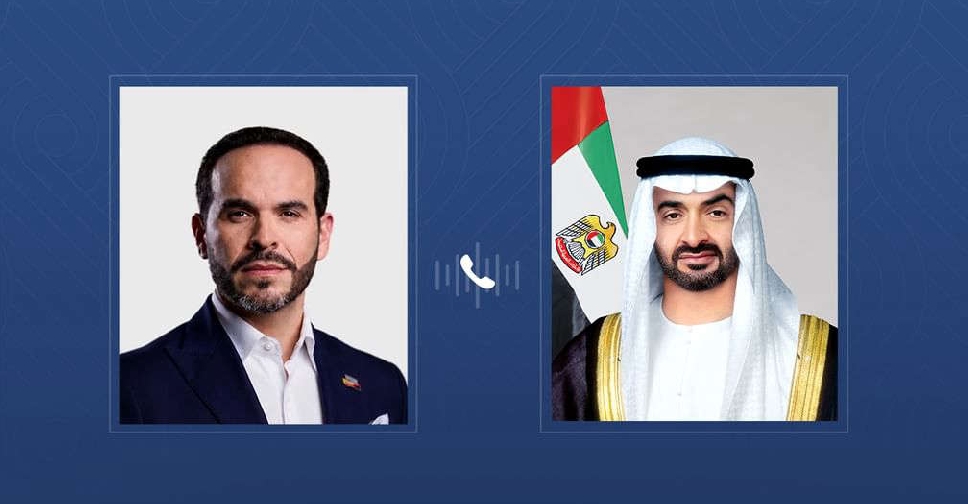 UAE reaffirms solidarity with Colombia after earthquake
 Dubai Fitness Challenge returns for another exciting edition
 UAE President, King of Bahrain discuss stronger ties and regional stability
 UAE-built AI satellite Altair-1 heads to US ahead of October launch
 New bridge to cut travel time from DWTC to Al Mustaqbal Street
 UAE Floating Hospital fits prosthetic limbs for 21 more Palestinian amputees
 UAE, DR Congo Presidents discuss strengthening cooperation under CEPA

