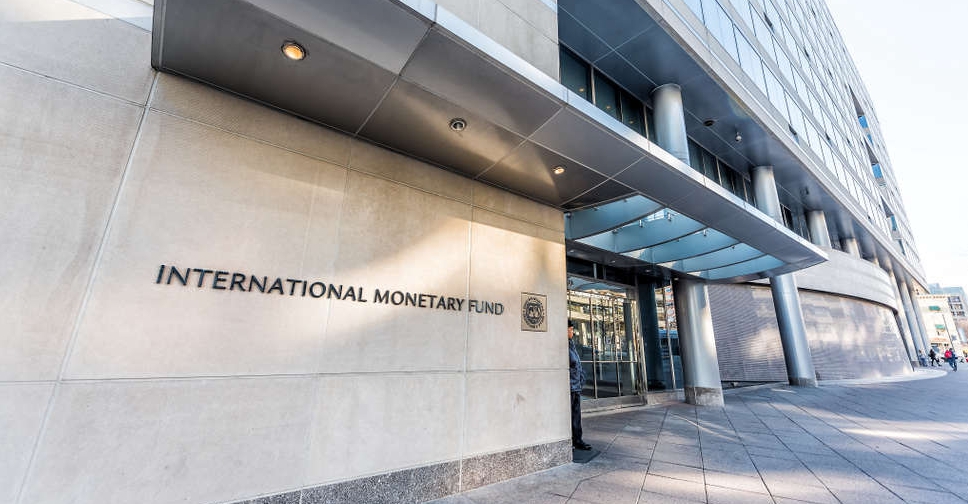
The war in the Middle East will lead to higher inflation and slower global growth, the head of the International Monetary Fund said on Monday, ahead of a fresh forecast for the world economy planned by the global lender for next week.
The war has triggered the worst-ever disruption in global energy supply in history, with millions of barrels of oil production shuttered due to Iran's effective blockage of the Strait of Hormuz, crucial for shipping one-fifth of the world's oil and gas. Even if the conflict is swiftly resolved, the IMF is set to reduce its forecasts for economic growth and bump up its outlook for inflation, Kristalina Georgieva, managing director of the IMF, said.
The IMF is expected to release a range of scenarios in its upcoming World Economic Outlook due on April 14. It signalled a possible downgrade in a March 30 blog post, citing the asymmetric shock of the war and tighter financial conditions. Without the war, the IMF had expected a small upgrade in its projection for global growth of 3.3 per cent in 2026 and 3.2 per cent in 2027.
"Instead, all roads now lead to higher prices and slower growth," said Georgieva.
The war has shrunk global oil supply by 13 per cent, she said, rippling through oil and gas shipments and into related supply chains such as helium and fertilizers.
Even a rapid end to hostilities and a fairly rapid recovery will result in a "relatively small" downward revision of the growth forecast and an upward revision of its inflation forecast, she said. If the war is protracted, the effect on inflation and growth will be greater.
IMF SPRING MEETINGS AWAIT
The war is expected to dominate the IMF-World Bank spring meetings in Washington next week, with finance officials flying in from around the world.
Poor, vulnerable countries with no energy reserves will be hardest hit, Georgieva added, noting that many countries had little to no fiscal space to help their populations weather the price increases caused by the war.
Georgieva said some countries had asked for funding help, but did not name them. She said the IMF could augment some existing lending programs to meet countries' needs. Eighty-five percent of the IMF's members are energy importers.
The impact has been asymmetric, hitting energy-importing countries hardest, but even energy exporters like Qatar are feeling the effect from Iranian strikes against their production facilities.
Qatar expects it will take three to five years to restore some 17 per cent of their natural gas production because of the damage, Georgieva said, while the International Energy Agency has reported that 72 energy facilities have been damaged in the war, one-third of which have suffered significant damage.
"Even if the war is to stop today, there would be a lingering negative impact to the rest of the world," she said.

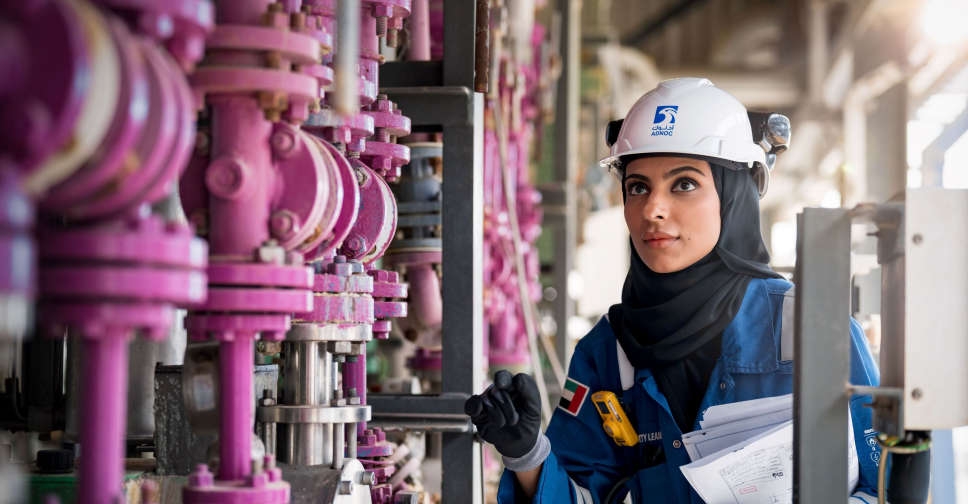 ADNOC Gas shareholders approve record $3.6 billion dividend for 2025
 Dubai South supports SMEs at Business Park through flexible package
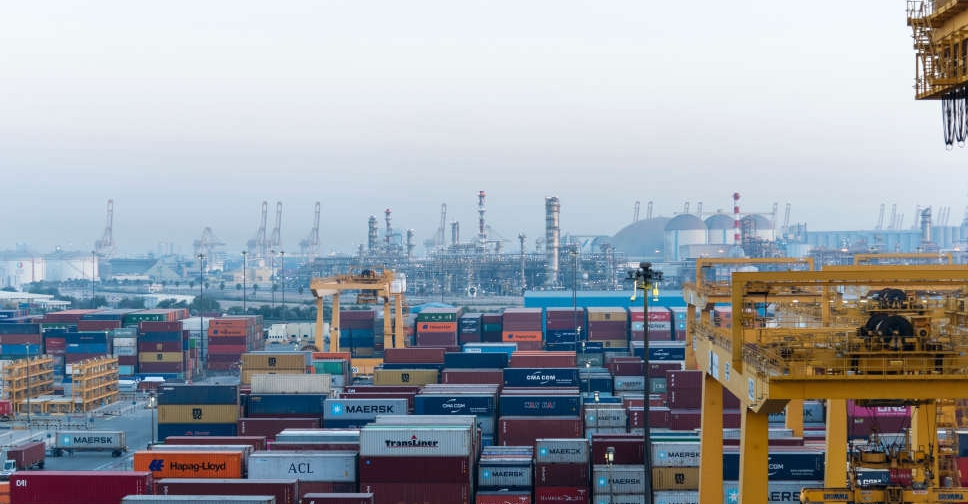 UAE becomes top 10 global exporter, WTO figures show
 ADNOC Gas says domestic demand still being met after Habshan attack
 OPEC+ adjusts output by 206,000 bpd from May