

India started 2016 as the world’s fastest-growing major economy, but at its end the nation faces a significant slowdown and the delay of what’s been hailed as Prime Minister Narendra Modi’s greatest reform - the creation of an integrated marketplace. Much of the pain is self-inflicted as Modi’s decision in November to drain 86 per cent of currency in circulation stalled spending and caused a political stalemate on a landmark sales-tax reform. It’s an apt end to a busy year that’s included a change of guard at the central bank, the overhaul of a century-old bankruptcy law and the biggest battle to rock corporate India in decades. And it’s sown the seeds for a tumultuous 2017. “Reforms will have long-term structural benefits but carry short-term execution and adjustment risks,” said Abhishek Dangra, a credit analyst at S&P Global Ratings. A move away from cash and the introduction of a uniform goods and sales tax across the country next year will be beneficial in the medium-term as it will drive higher tax collections," he said. (Anirban Nag/Bloomberg)

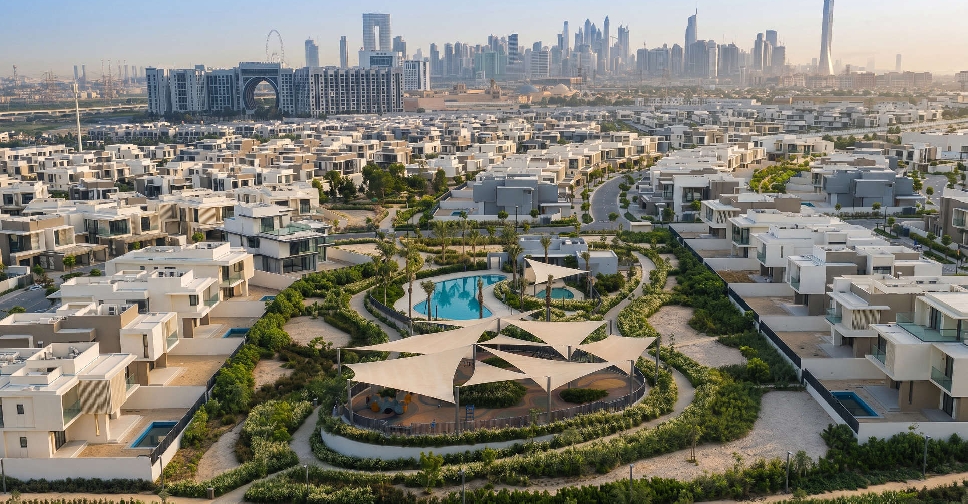 Nakheel begins handover of 892 homes at Jebel Ali Village
 Indian state shuts some Domino's, Pizza Hut outlets, citing hygiene lapses
 ADNOC's XRG advances global gas strategy with Venezuela entry
 Iger, Kushner purchasing Lakers for record $12.5 billion
 Chair of India's Tata to step down after tension with controlling charity