

Saudi Arabia faces the prospect of deeper oil production cuts after Iraq joined the queue of group members seeking immunity from the deal hatched in Algiers. More than a third of OPEC’s production - Nigeria, Libya, Iraq and Iran - now stands outside the plan. The worsening OPEC equation presents Saudi Arabia with a difficult choice after its Algiers U-turn: carry a greater burden within the group, ceding market share to other producers, or lose credibility by softening the terms of the deal. In a worst-case scenario, Saudi Arabia will have to cut production by more than 1 million barrels a day, sending the kingdom’s output to a two-year low. While oil has rallied more than 15 per cent since Algiers, the growing cost of following through is becoming clear. (Angelina Rascouet/Bloomberg)

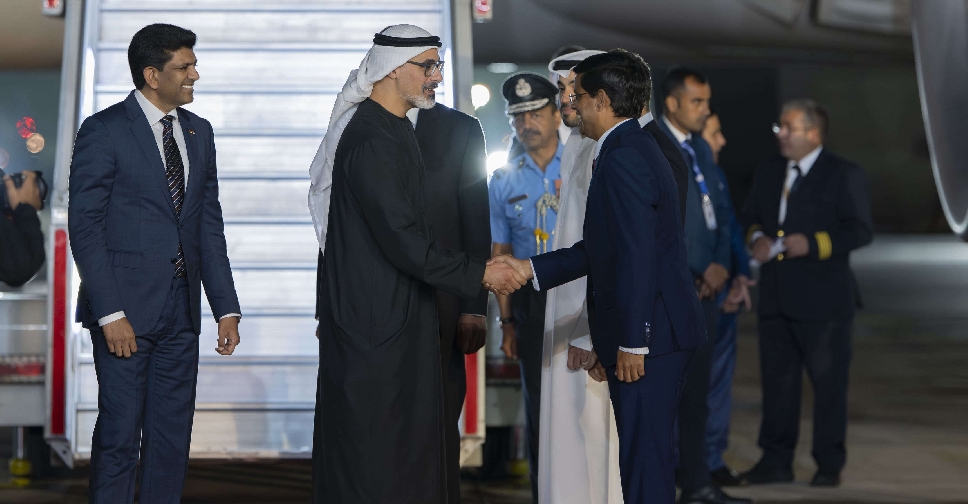 Abu Dhabi Crown Prince arrives in India for AI Impact Summit
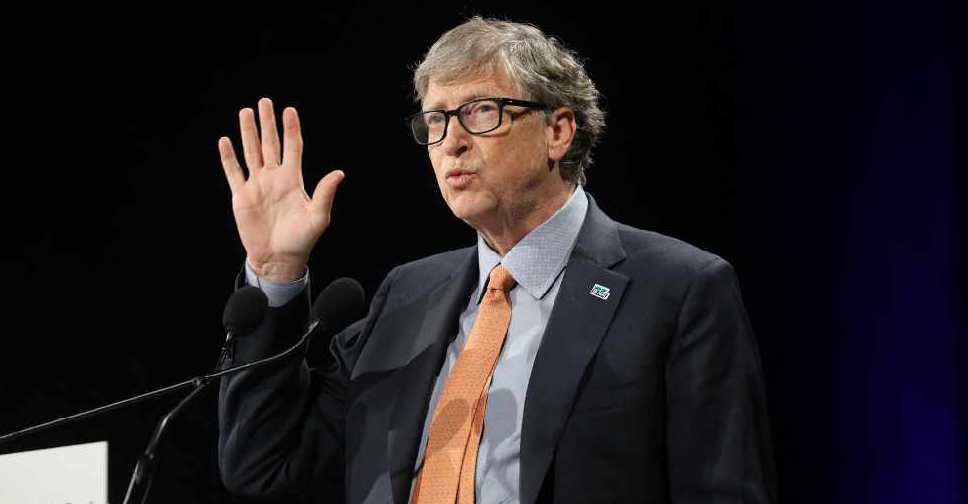 India AI summit stumbles as Bill Gates pulls out, chaos mounts
 UAE President appoints new Federal Tax Authority chief
 Uber expands into 7 new European markets in food-delivery push, FT reports
 UAE strengthens market oversight to ensure price stability for Ramadan