
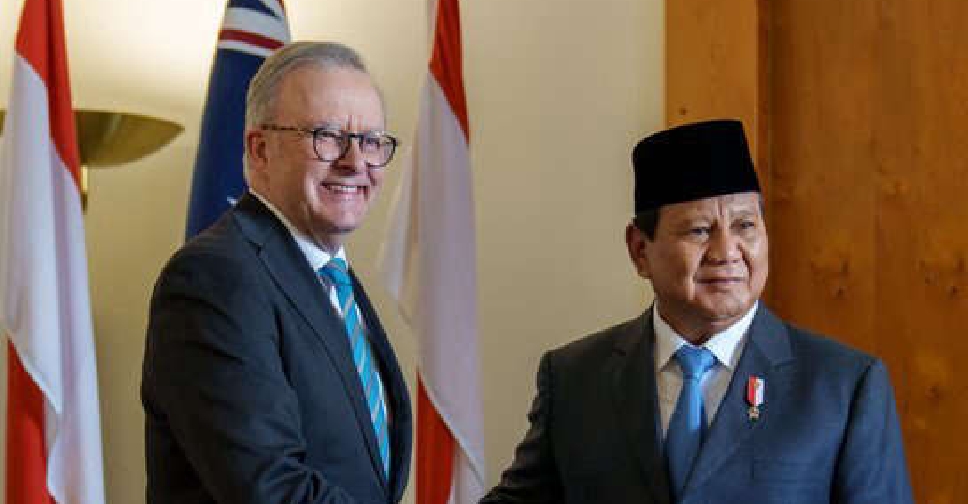
Australia and Indonesia have signed a treaty-level defence cooperation agreement, which will allow the Australian and Indonesian militaries to operate from each other's countries, Australian Prime Minister Anthony Albanese said.
"It will be a vital plank for our two countries to support each other's security, which is vital to both countries, but also to the stability of the region that we share," Albanese told a joint press conference in Canberra with Indonesia President-elect Prabowo Subianto.
Australia and Indonesia share the world's longest maritime boundary and already collaborate on a number of issues, including security, people-trafficking and drug smuggling.
"The map really determines that Australia and Indonesia as the closest of neighbours have a shared destiny, but from this moment forth, that destiny is very much defined by deep strategic trust," Australian Defence Minister Richard Marles said.
Australia has struck a number of defence deals in recent years, most notably the AUKUS military alliance with the United States and Great Britain that angered China.
Prabowo said at a forum last November that Indonesia was committed to its policy of non-alignment and would keep good ties with both China and the United States.

 Azerbaijan vows to respond after four injured by Iranian drones
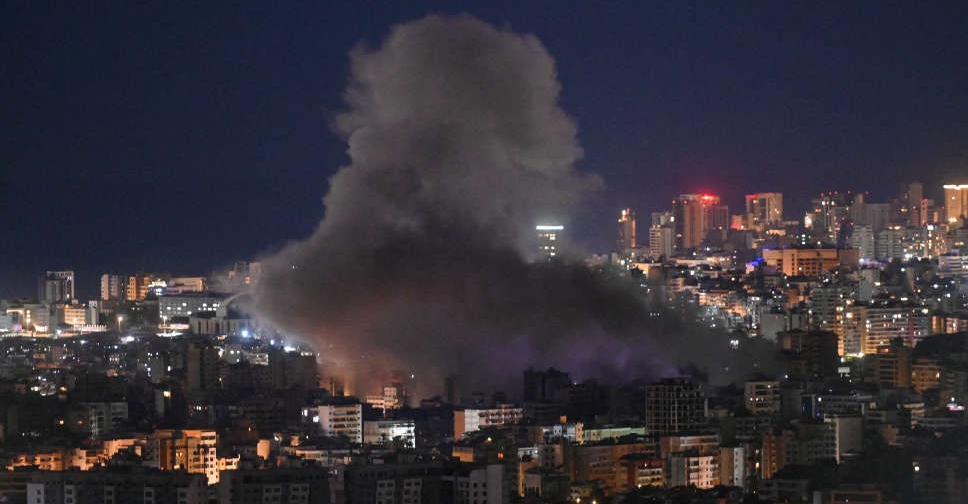 72 killed in Israeli attacks on Lebanon as it warns residents to leave south
 Nepal goes to the polls; voters seek change after youth-led protests
 Landslide kills over 200 people at Congo's Rubaya mine
 80 people killed after US sinks Iranian warship