
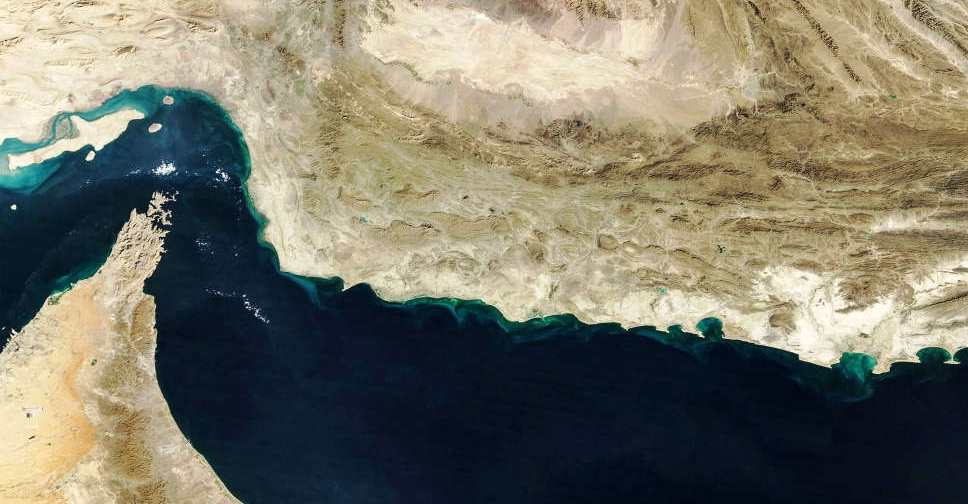
Around 40 countries are discussing joint action to reopen the Strait of Hormuz, Britain said on Thursday, after US President Donald Trump said securing the waterway was a problem for other nations to resolve.
British foreign minister Yvette Cooper chaired the virtual meeting, which included France, Germany, Canada and India and began around midday in London.
"We are focusing on the diplomatic and international planning measures, including collective mobilisation of our full range of diplomatic and economic tools and pressures," Cooper said at the start of the meeting.
The United States did not attend the talks, one official said. The discussions, involving representatives of some 40 countries, took place after Trump said on Wednesday evening that the Strait could open "naturally" and it was the responsibility of countries that rely on the waterway to ensure it was open.
FOCUS ON DIPLOMATIC AND MILITARY OPTIONS
Iran has effectively shut down the key waterway, which carries about a fifth of the world's total oil consumption, in retaliation for US-Israeli strikes which began in late February. Reopening it has become a priority for governments around the world as energy prices soar.
European countries initially refused Trump's demand to send their navies to the area because of fears about being dragged into the conflict.
But concerns about the impact of the rising cost of energy on the global economy have prompted them to try to form a coalition to see how they can defend their own interests.
European diplomats said putting the coalition together was at an early stage, with Britain and France leading.
Officials said the discussions on Thursday would focus on which countries were prepared to participate before military planners meet for talks next week.
France's Armed Forces spokesperson Guillaume Vernet told a news conference on Thursday that the process would be multi-phased and could not happen until hostilities had calmed or ended.
A key focus of the talks would be how to ensure shipowners could feel confident enough for vessels to resume travelling through the area and to bring down insurance premiums.
There would also eventually need to be coordination with Iran to ensure that there will be security guarantees for ships, Vernet said, something that is unlikely for now.
Talks had also started on what military assets could be provided, he said.
"We will need to assemble a sufficient number of vessels and have coordination capabilities in the air, at sea, as well as the ability to share intelligence," he said.
Trump said on Wednesday evening that other countries that use the Strait of Hormuz should "build up some delayed courage" and "just grab it".
"Just take it, protect it, use it for yourselves," he said.
But France's President Emmanuel Macron speaking in South Korea on Thursday said seizing the Strait militarily was an "unrealistic" option.
"It would take an indefinite amount of time, and it would expose all those who venture through this Strait to coastal risks from the Revolutionary Guards, as well as ballistic missiles," he said.

 A month into war, Lebanon's prime minister says no end in sight
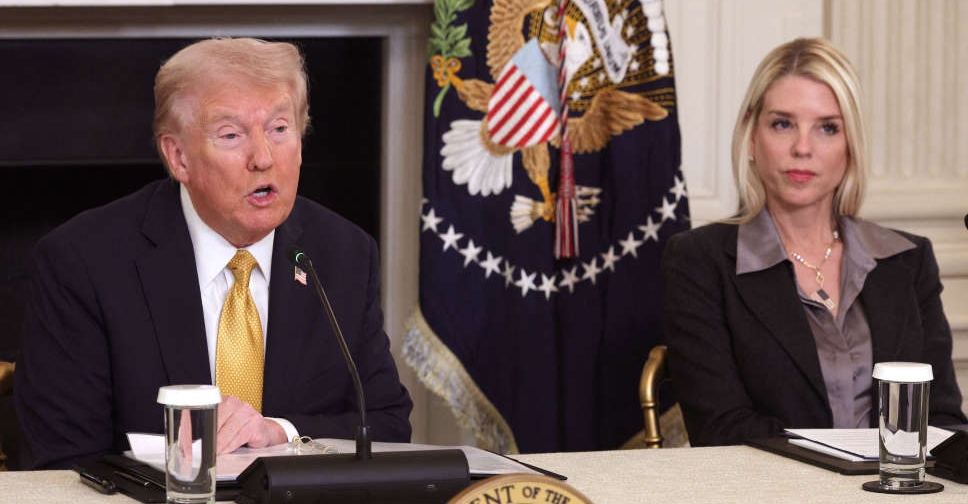 Trump has discussed firing Attorney General Bondi, media reports say
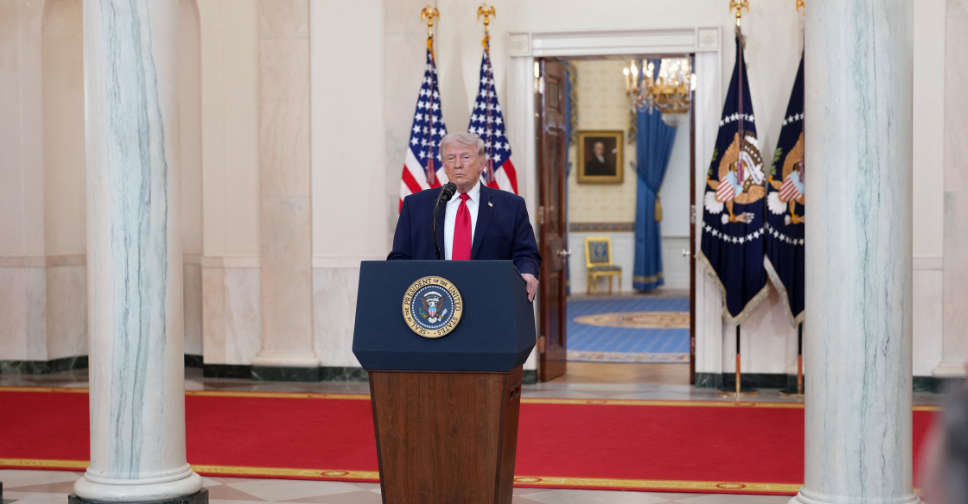 Trump says Iran war goals nearly accomplished in televised address
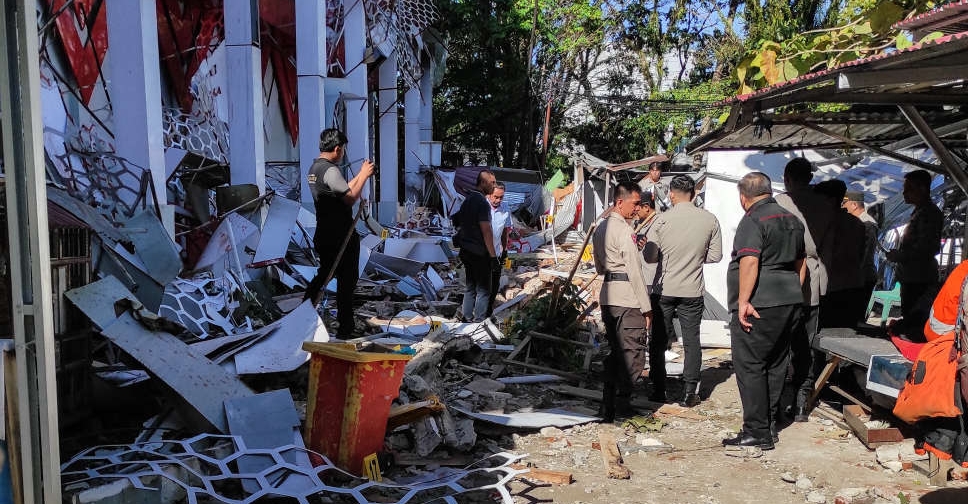 One killed as Indonesia earthquake damages buildings
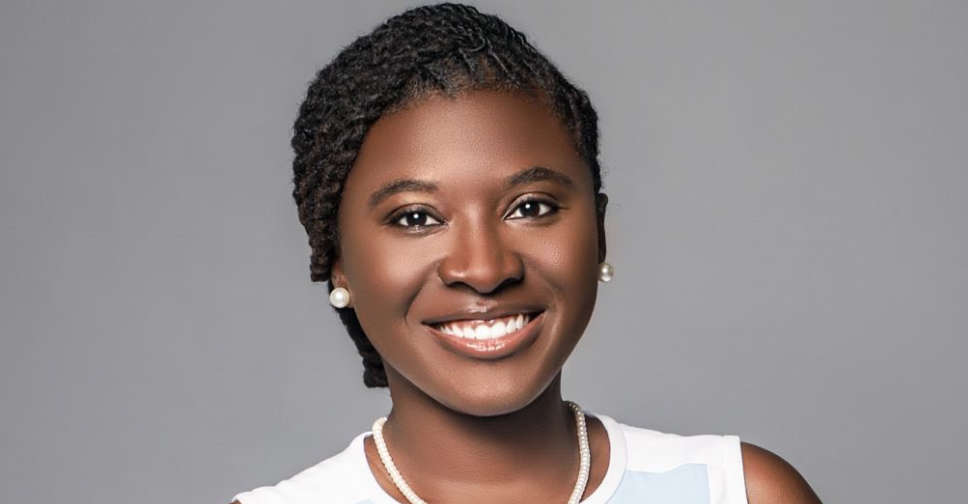 Florida vice mayor shot dead, husband jailed as suspect