

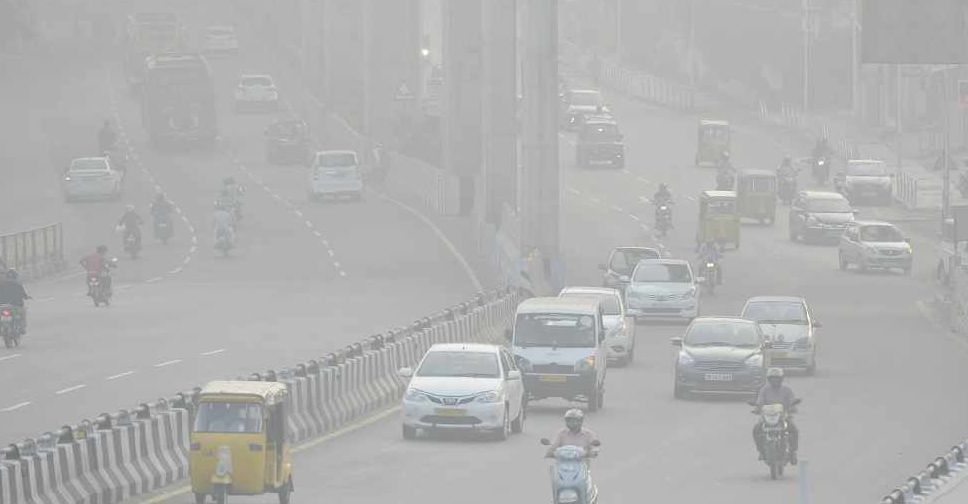
India eased some restrictions imposed to combat pollution in its north on Thursday as air quality there improved, with smog giving way to blue skies and Delhi recording a "moderate" air quality index reading of 165.
As AQI levels shot up last month, schools in the capital and adjoining regions were closed, some construction was banned and offices were asked to consider allowing 50 per cent of employees to work from home.
India's Central Pollution Control Board considers an AQI of 0-50 "good" and above 400 "severe", which poses a risk to healthy people and seriously impacts those with existing diseases.
Restrictions were eased because of their disruptive nature, prevailing trend of air quality and forecasts for meteorological conditions, said the Commission for Air Quality Management, a government body responsible for air quality in the national capital region.
Some steps to curb pollution, including mechanical sweeping, synchronised traffic movements and enhanced vehicle parking fees will continue to be implemented, monitored and reviewed, it said.
It issued the order hours after India's top court, which has been monitoring pollution control measures and their implementation, permitted the Commission for Air Quality Management to ease restrictions, but directed that some of them be implemented again if the AQI crosses 350.
Air quality in the city is expected to worsen on Friday and remain poor through the rest of the week, indicating an AQI between 201 and 300, according to the Ministry of Earth Sciences.
Delhi combats intense pollution each winter as cold air traps emissions, dust and smoke from farm fires in the breadbasket states of Punjab and Haryana, leaving many of its 20 million residents struggling with respiratory illnesses.
Swiss group IQAir has ranked it the world's most polluted capital city for four successive years in a row.

 Israeli airforce pounds Beirut, Lebanon death toll rises
 US releases Epstein-related FBI interviews mentioning Trump
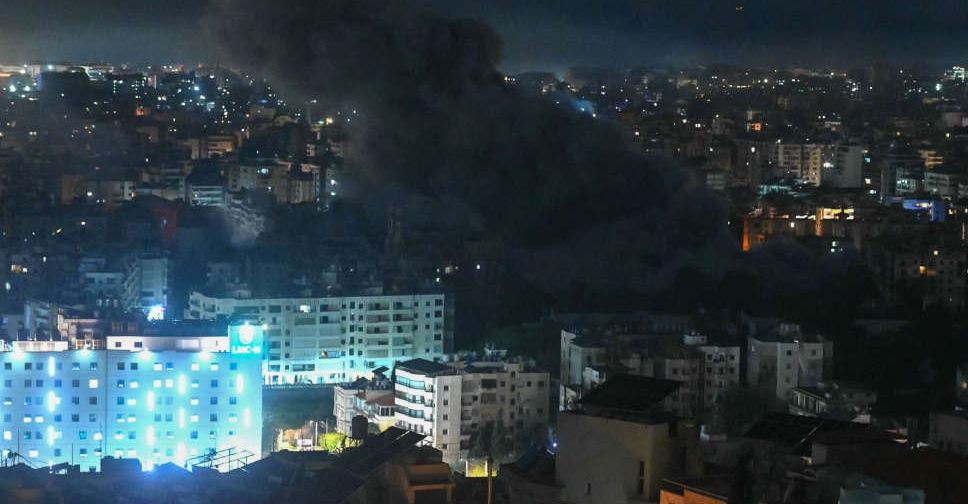 Hezbollah warns Israeli residents to evacuate towns near border
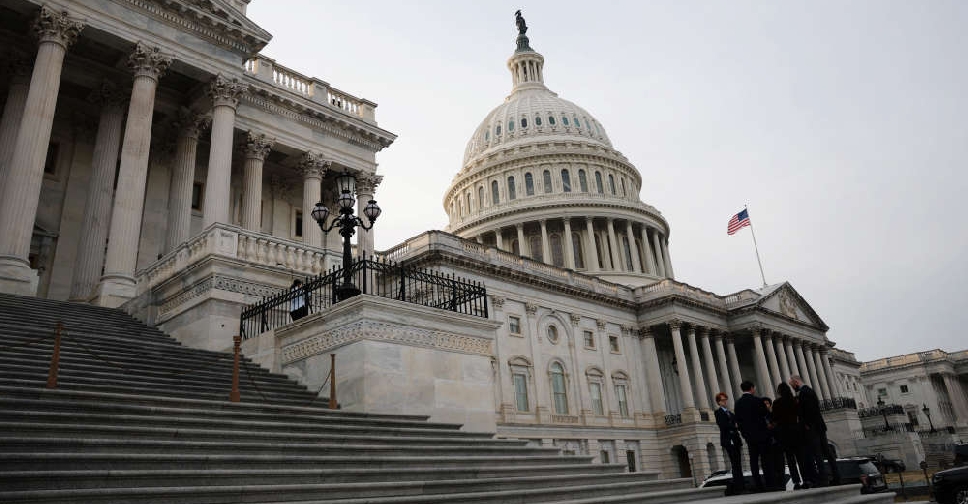 US House rejects war powers resolution, backs Trump on Iran war
 Saudi Arabia, Qatar, Kuwait intercept drones targeting territory