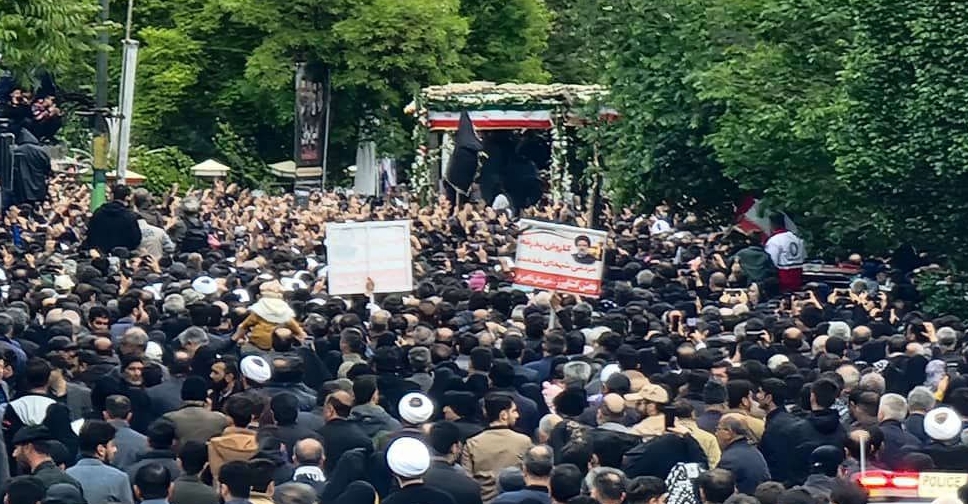
Thousands of Iranians turned out to mourn President Ebrahim Raisi in the city of Tabriz on Tuesday, after he was killed in a helicopter crash near the Azerbaijan border at the weekend along with his foreign minister and seven others.
State TV broadcast live images of mourners, many of them dressed in black, beating their chests while a truck covered in white flowers carrying the caskets wrapped in the national flag was driven slowly through the crowd.
"Everyone has come to bid farewell to the martyred president and his companions regardless of their faction, ethnicity or language," said Tabriz lawmaker Masoud Pezeshkian.
Raisi's body was flown from Tabriz, the closest major city to the remote crash site, to Tehran airport before heading to the holy city of Qom. From there, it will return to the capital to lie at Tehran's Grand Mosalla Mosque before being transferred to his hometown of Mashahd, in eastern Iran, for burial on Thursday.
Mourners carried posters bearing images of Raisi, Foreign Minister Hossein Amirabdollahian, the Friday prayer leader of Tabriz city and other officials who were also killed in the crash.
The United States, Denmark and Greenland have entered into an agreement for the US to develop a significant military presence on Greenland, while prohibiting US adversaries from building their own bases on the island, Donald Trump said.
President Donald Trump has extended an executive order that would impose a fee of $100,000 for H-1B non-immigrant visas by another year, the White House said.
US President Donald Trump banned news outlets CNN, MS NOW and Politico from the White House on Friday, complaining about their coverage in a social media post.
A 16-year-old student shot dead at least two fellow students and then killed himself at a school in the southern Philippines on Friday, provincial officials said.
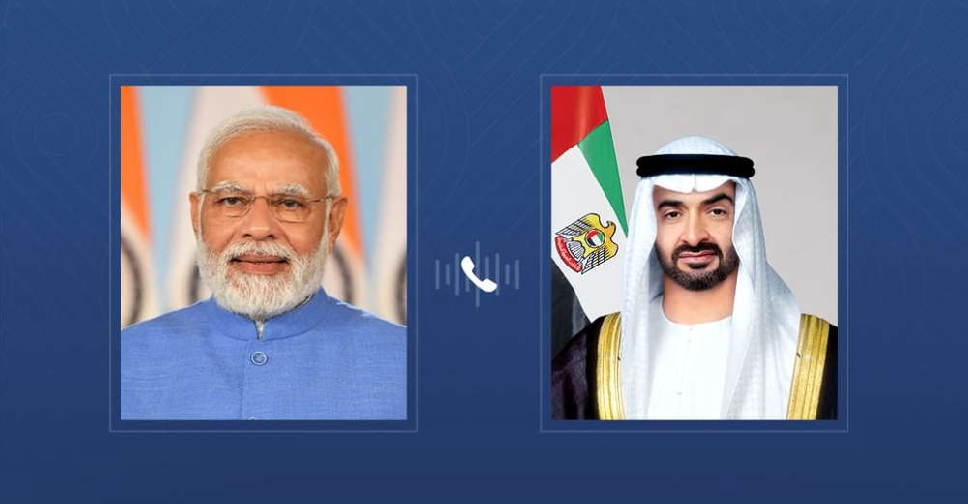
UAE President His Highness Sheikh Mohamed bin Zayed Al Nahyan held a phone call with Indian Prime Minister Narendra Modi to discuss opportunities to further strengthen bilateral relations.
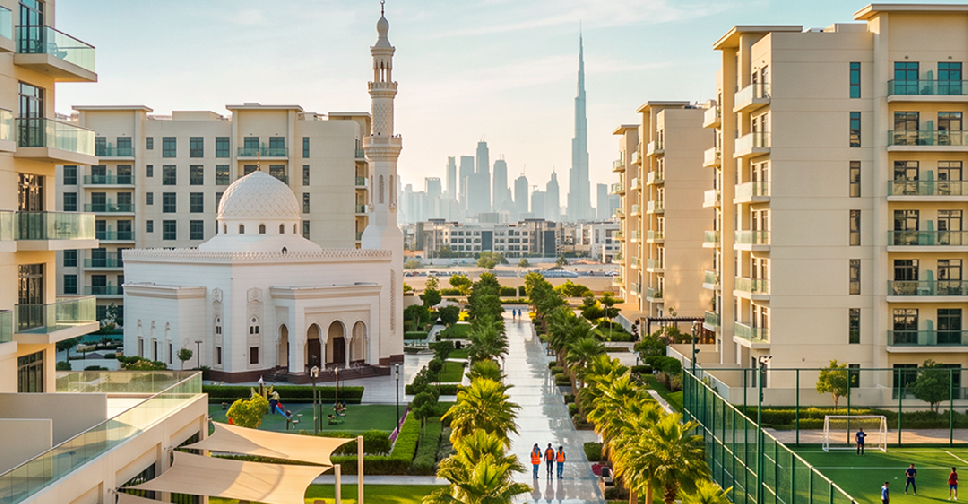
Dubai Municipality has completed a package of strategic projects aimed at improving living conditions, quality of life and sustainability across workers’ communities in the emirate.
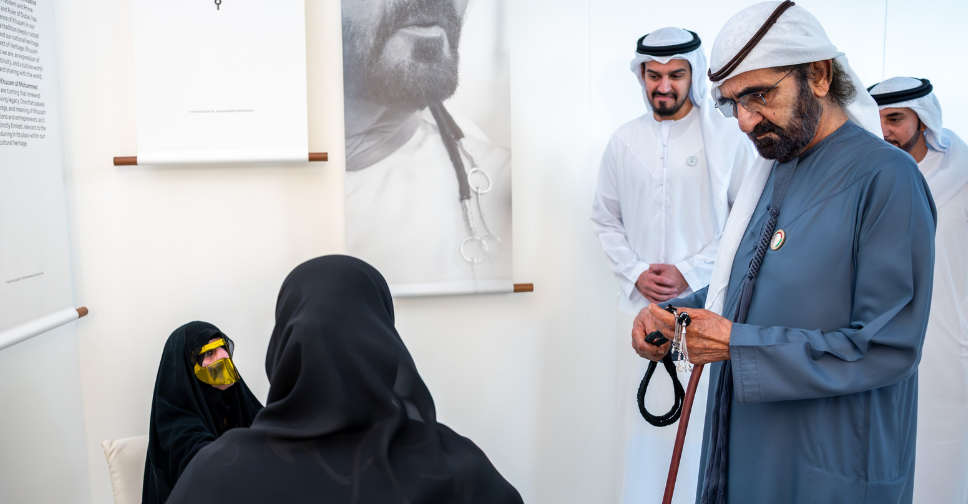
His Highness Sheikh Mohammed bin Rashid Al Maktoum, Vice President and Prime Minister of the UAE and Ruler of Dubai, has explored a research project tracing the history of the 'Al Khuzam' craft and its connection to the Emirati identity.


 US and Denmark reach deal on Greenland
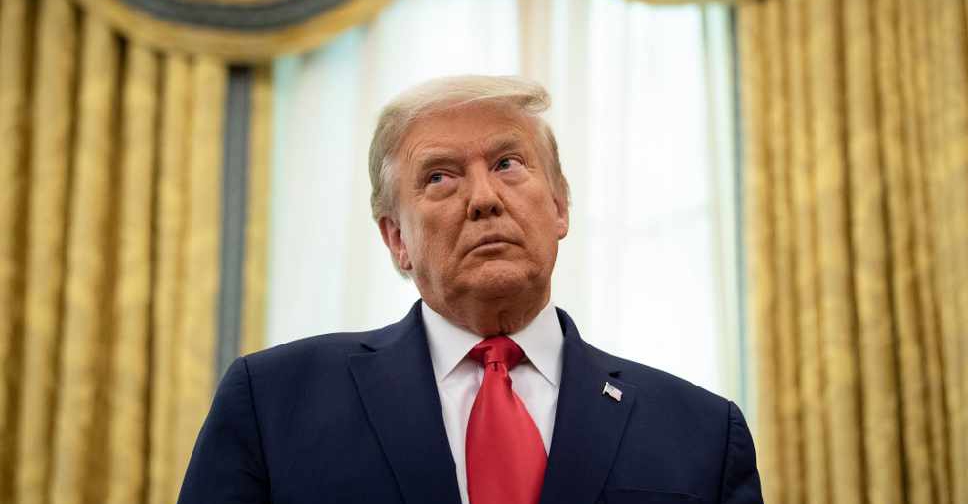 Trump extends push for $100,000 H-1B visas by another year
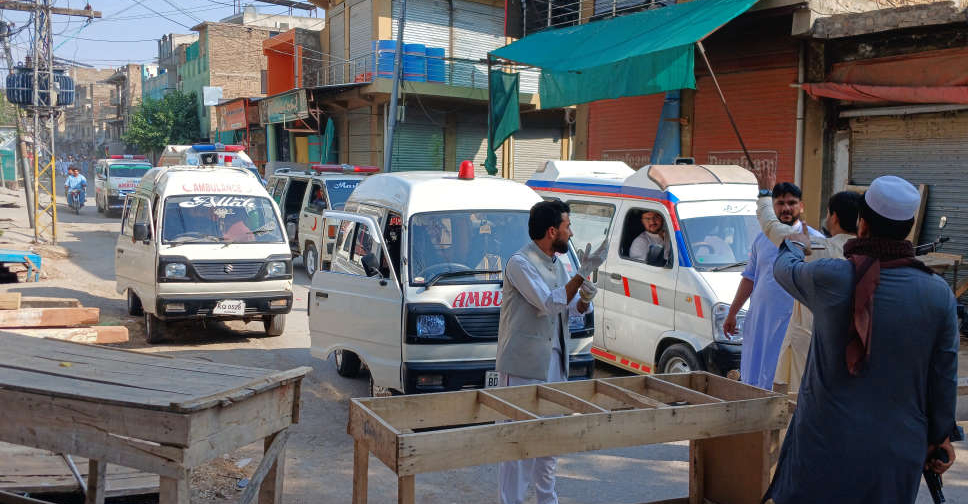 Death toll in Pakistan police compound attack climbs to 31
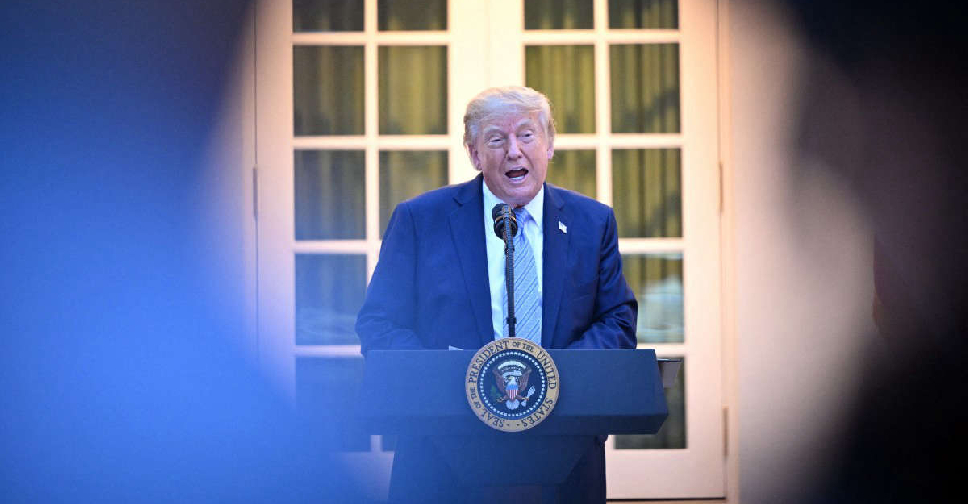 Trump bans three media outlets from White House
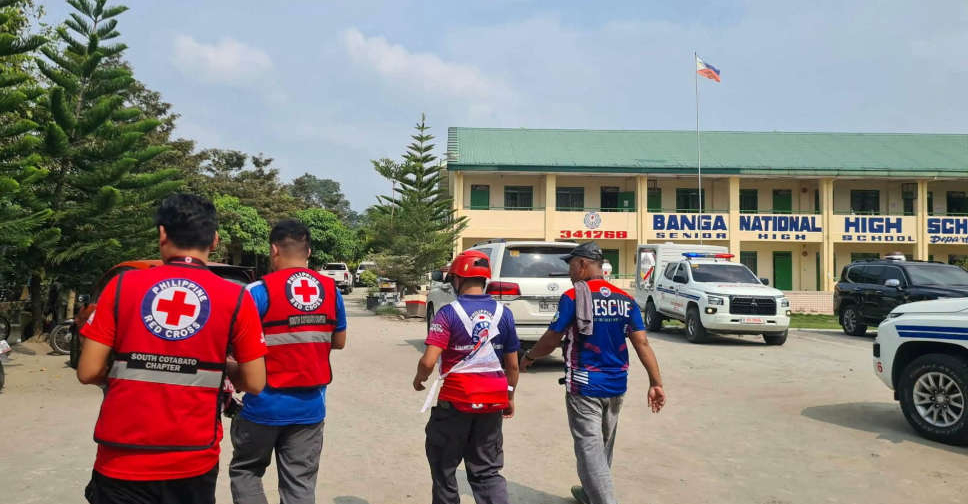 Three students killed in Philippine school shooting, including gunman, officials say