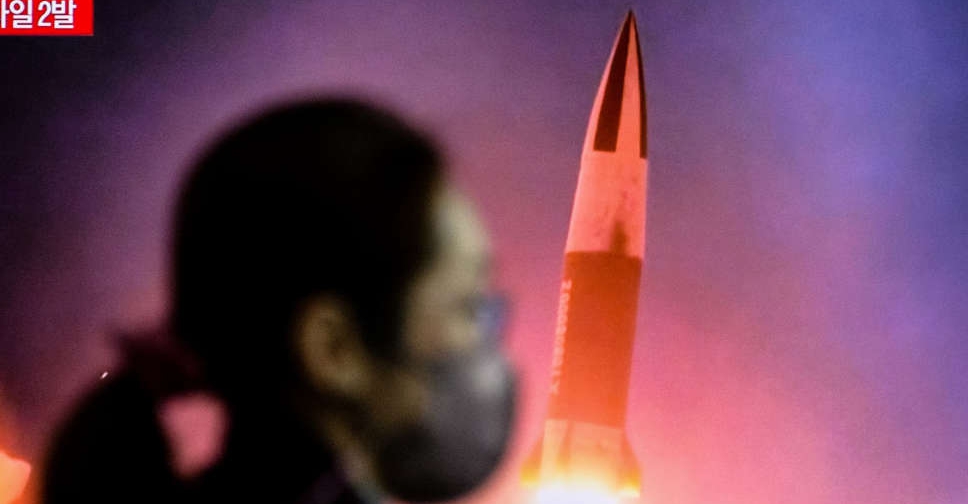
North Korea fired two short-range ballistic missiles into the sea off its east coast on Monday morning, the latest in a series of launches as a U.S. aircraft carrier is set to arrive in South Korea.
The missiles were fired from North Hwanghae province at 7:47 a.m. (2247 GMT on Sunday) and flew about 370 km (230 miles), South Korea's Joint Chiefs of Staff (JCS) said.
Both missiles appear to have landed outside Japan's exclusive economic zone, according to the Japanese government.
South Korea's military "strongly condemned" the launches as a grave provocation violating United Nations Security Council resolutions, and called for an immediate halt.
"We will keep a close eye on North Korea's various activities and maintain firm readiness posture based on the capability to overwhelmingly respond to any provocations," the JCS said in a statement, adding that it would continue military drills with the U.S. as planned.
The Japanese government also lodged a "strong protest" with North Korea, saying its missile launches threaten the safety and peace of Japan, the region and the international community.
Monday's launches came as the U.S. aircraft carrier USS Nimitz and ships from its accompanying strike group are scheduled to dock at a South Korean naval base in the southeastern port city of Busan on Tuesday.
Before its arrival, the carrier was to stage joint maritime exercises with South Korean forces on Monday off the Korean peninsula's south coast, South Korea's defence ministry said.
The carrier's planned visit, which marks the first since the USS Ronald Reagan visited in September, was arranged as part of efforts to have more U.S. "strategic assets" in the area to deter North Korea, the ministry said.
North Korea has been ramping up its military tests in recent weeks, including the firing of multiple cruise missiles on Wednesday that Pyongyang said was aimed at practicing tactical nuclear attacks.
On Friday, North Korea said it had tested a new nuclear-capable underwater attack drone, as leader Kim Jong Un warned that joint military drills by South Korea and the U.S. should stop.
The allies concluded their regular springtime exercises, called Freedom Shield 23, last week, but have other field training continuing, including amphibious landing drills involving a U.S. amphibious assault ship, and the exercises with the U.S. carrier.
Pyongyang has long bristled at the allies' drills, saying they are preparation for an invasion of the North.
South Korea and the United States say the exercises are defensive.


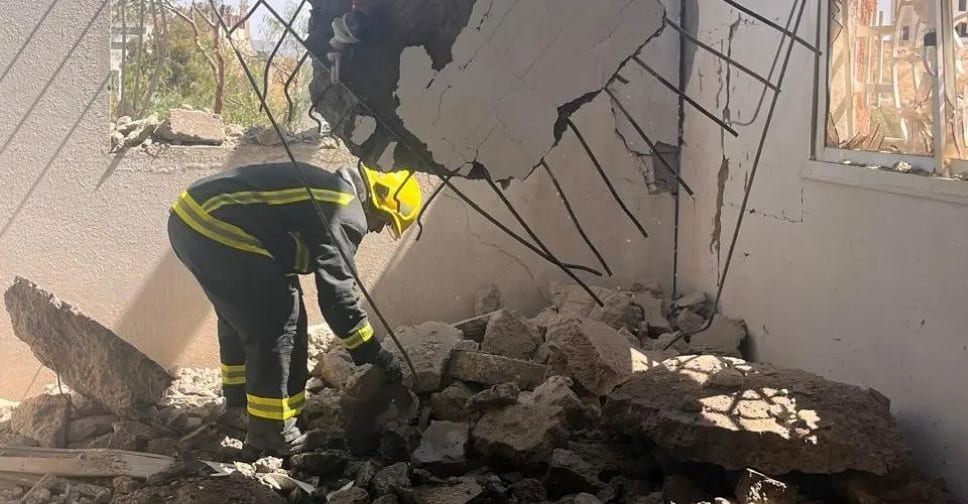 Two injured from falling debris as missiles intercepted in Saudi Arabia
 Venezuela opposition leader Machado returns to country
 Riyadh airport to designate terminals for flights from October 25
 Saudi Arabia intercepts, destroys drones, missiles targeting different regions
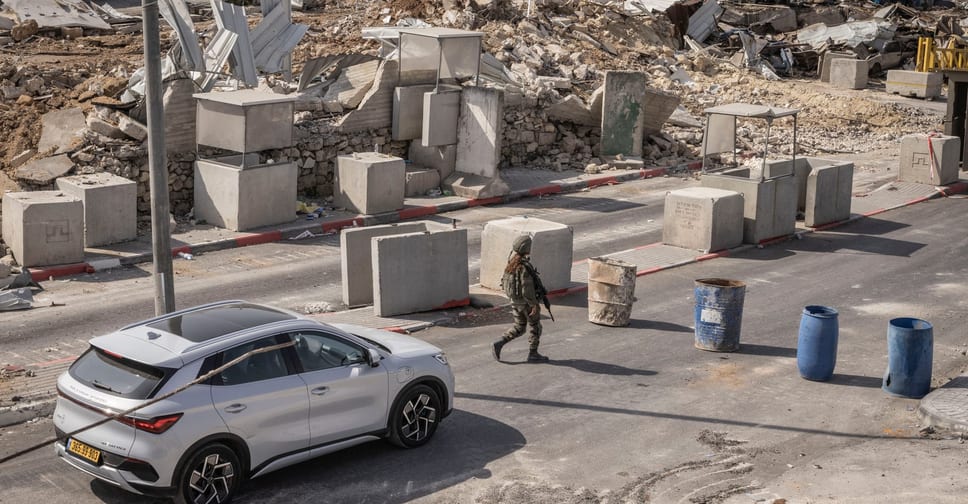 Around 1,200 Palestinians displaced in Hebron as Israel begins military operation