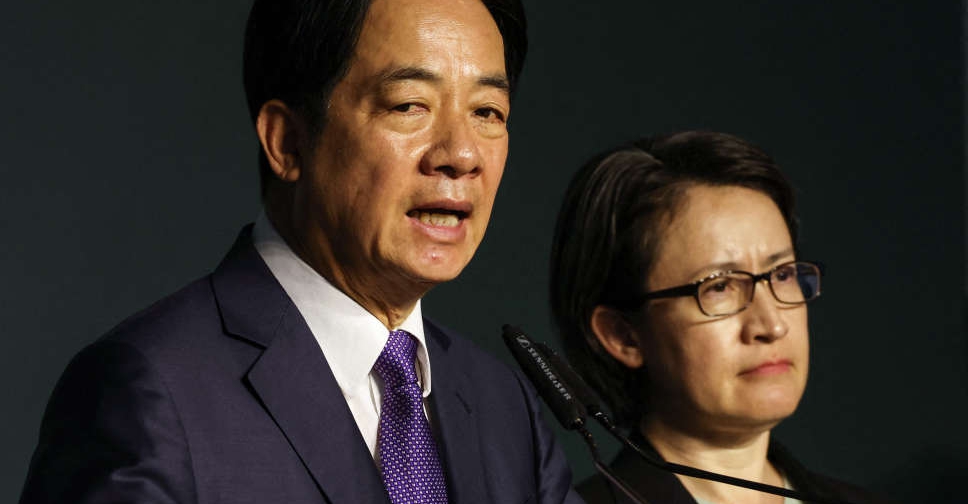
Taiwanese voters swept the ruling Democratic Progressive Party's (DPP) presidential candidate Lai Ching-te into power on Saturday in an explicit rejection of China's warnings not to vote for him in an election Beijing framed as a choice between war and peace.
Current Vice President Lai's DPP, which champions Taiwan's separate identity and rejects China's territorial claims, was seeking a third term, unprecedented under Taiwan's current electoral system.
Lai was facing two opponents for the presidency - Hou Yu-ih of Taiwan's largest opposition party the Kuomintang (KMT) and former Taipei Mayor Ko Wen-je of the small Taiwan People's Party, only founded in 2019. Both conceded defeat.
Lai was due to speak to reporters at 8:30 pm (1230 GMT) in Taipei.
In the run-up to the election, China denounced Lai as a dangerous separatist, saying that any moves towards Taiwan's formal independence meant war, and rebuffed Lai's calls for talks.
Lai says he is committed to preserving peace and the status quo across the Taiwan Strait and boosting the island's defences.


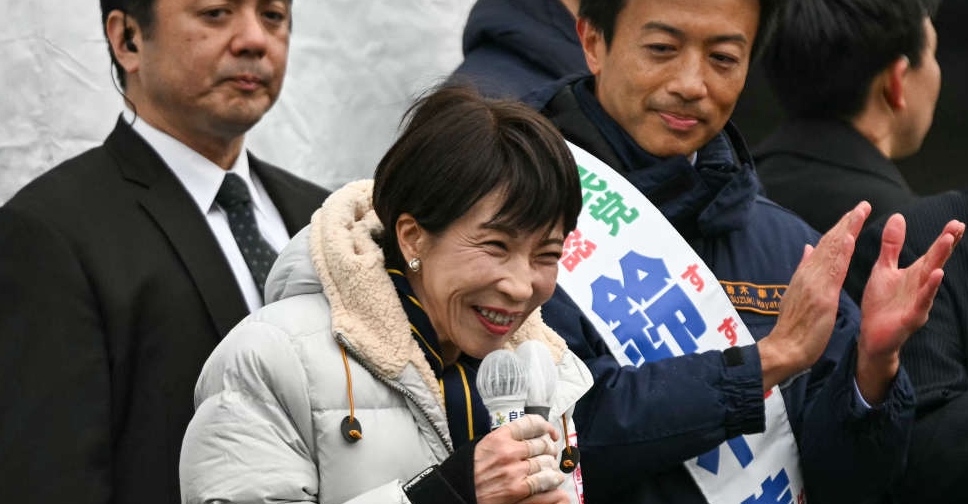 Japan's Takaichi set to secure big majority in lower house election
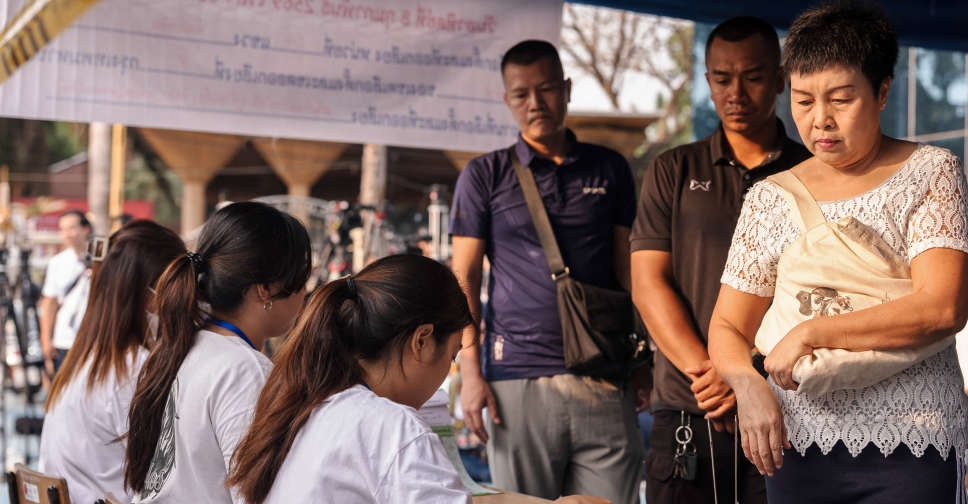 Thailand votes in three-way race as risk of instability looms
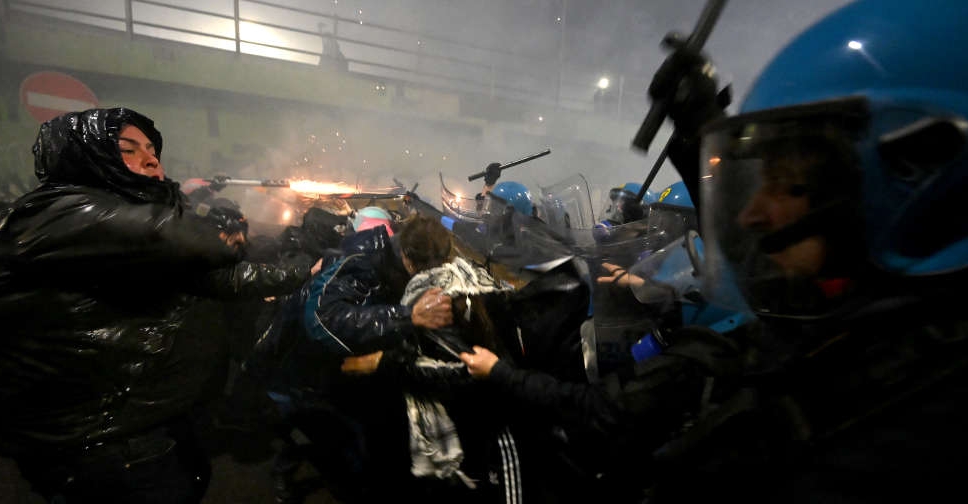 Meloni condemns 'enemies of Italy' after clashes in Olympics host city Milan
 Australia's opposition coalition reunites after split over hate laws
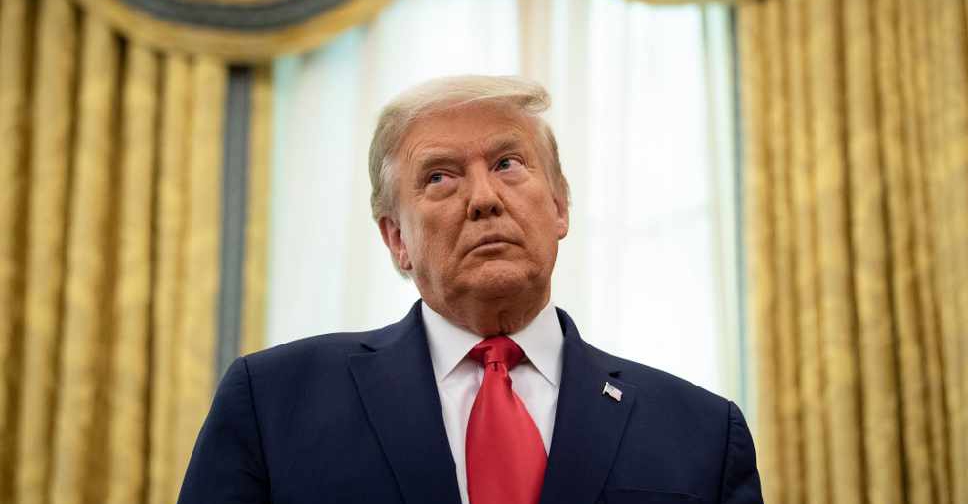 Trump condemns, won't apologise for video with racist clip on Obamas