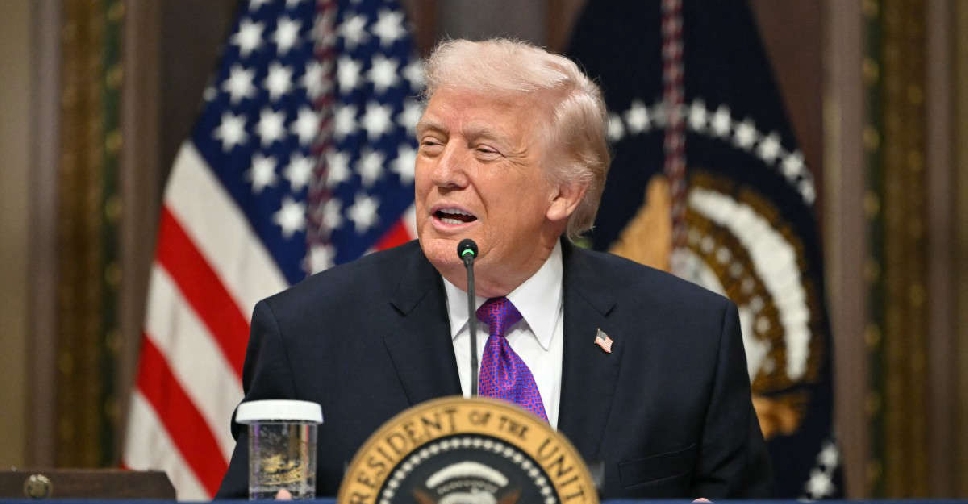
US President Donald Trump claimed the right to join Iran in deciding its next leader as the war escalated, with US and Israeli jets hitting areas across the country and Gulf cities coming under renewed attack.
In an interview with Reuters, Trump said Mojtaba Khamenei, the son of the late Supreme Leader Ali Khamenei - a hardliner who has been considered a favourite to succeed his father - was an unlikely choice.
"We want to be involved in the process of choosing the person who is going to lead Iran into the future," he said by telephone.
"We don't have to go back every five years and do this again and again ... Somebody that's going to be great for the people, great for the country."
Trump also encouraged Iranian Kurdish forces to go on the offensive.
"I think it's wonderful that they want to do that, I'd be all for it," Trump said. He would not say whether the United States would provide air cover for any Kurdish offensive.
The Trump administration has had contact with Iranian Kurdish groups since the US-Israeli strikes began.
The comments came as the Israeli military warned residents to evacuate areas including eastern Tehran, while Iranian media reported blasts were heard in various parts of the capital.
An air attack killed 17 people in a guest house on a road northwest of the capital, Iranian state television said.
Azerbaijan became the latest country drawn in, as it accused Iran of firing drones at its territory and ordered its southern airspace closed for 12 hours.
Iran, which has a significant Azeri minority, denied it had targeted its neighbour but the episode underlined how rapidly the war has spread since the surprise US and Israeli airstrikes that killed Khamenei on Saturday.
Along with the cities of the Gulf, in easy range of Iranian drones and missiles, Cyprus and Turkey have both been targeted, European nations have pledged to deploy ships to the eastern Mediterranean and hostilities have been seen as far afield as the coastal waters off Sri Lanka, where a US submarine sank an Iranian warship on Tuesday, killing 80 crew members and drawing Iranian vows of revenge.
In Iran, at least 1,230 people have been killed, according to the Iranian Red Crescent Society, including 175 schoolgirls and staff killed at a primary school in Minab in the country's south on the first day of the war.
Another 77 have been killed in Lebanon, its Health Ministry says. Thousands fled southern Beirut on Thursday after Israel warned residents to leave.
Although some international financial markets recovered from falls earlier in the week, the economic impact of the campaign intensified, with countries around the world cut off from a fifth of global supplies of oil and liquefied natural gas and air transport still facing chaos and global logistics increasingly snarled.
On Thursday, Iran's Revolutionary Guards said they had hit a US tanker in the northern part of the Gulf and the vessel was on fire, the latest of numerous reports of such attacks.
Visiting an air force base in the south of the country, Israeli Prime Minister Benjamin Netanyahu said Israel's achievements so far in Iran had been "great" but that "much work still lies ahead."
Iran's foreign minister said Washington would "bitterly regret" the precedent it had set by sinking a ship in international waters without warning.

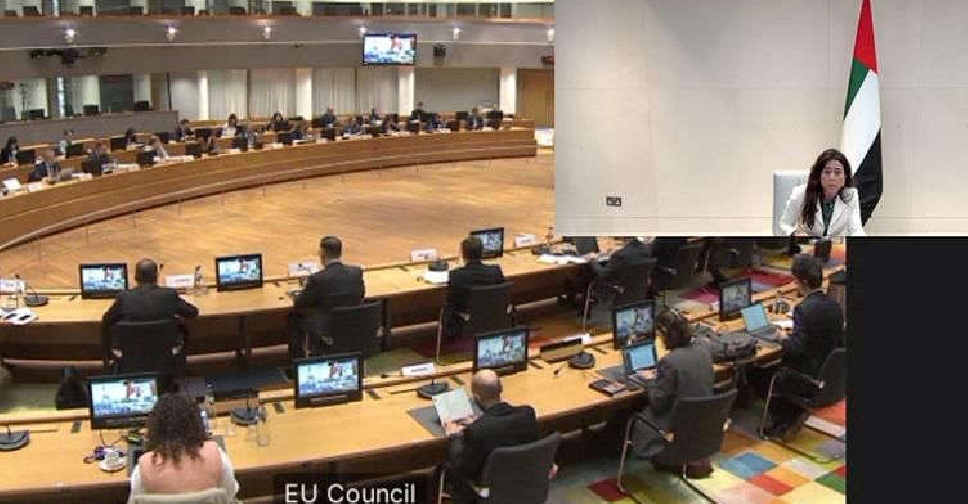
 GCC and EU ministers urge immediate halt to Iranian attacks
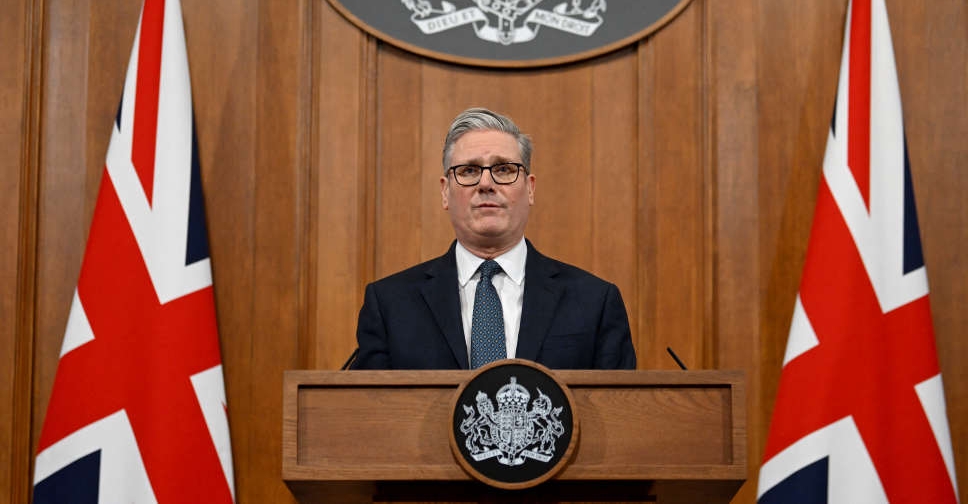 British PM Starmer to send four Typhoon jets to Qatar
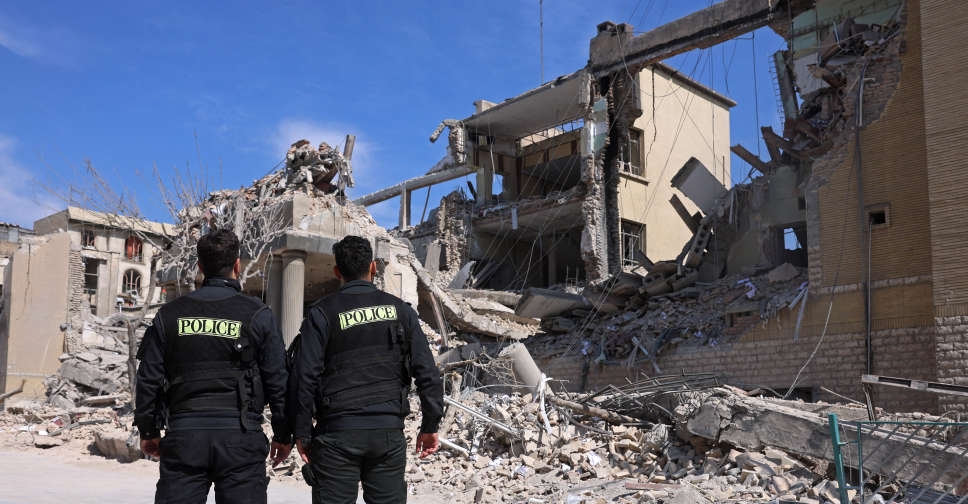 Bombing of Tehran intensifies as war enters day six
 Azerbaijan vows to respond after four injured by Iranian drones
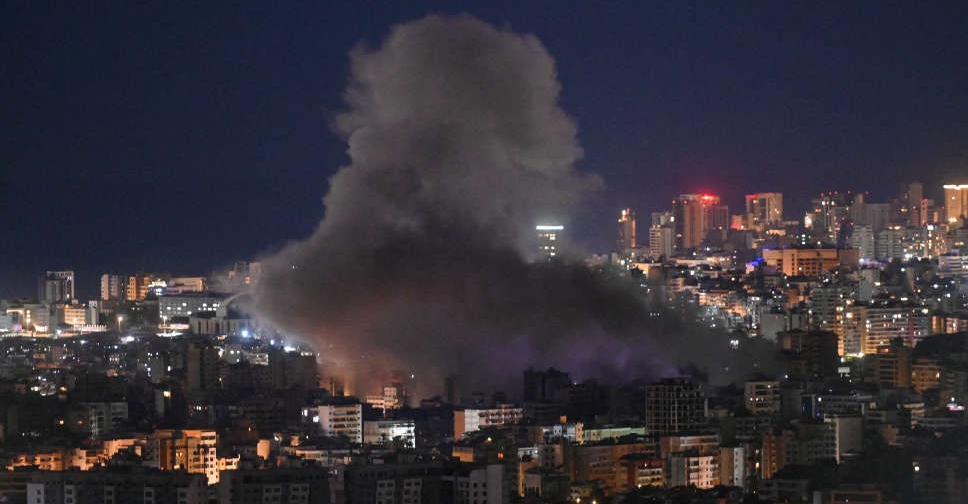 72 killed in Israeli attacks on Lebanon as it warns residents to leave south