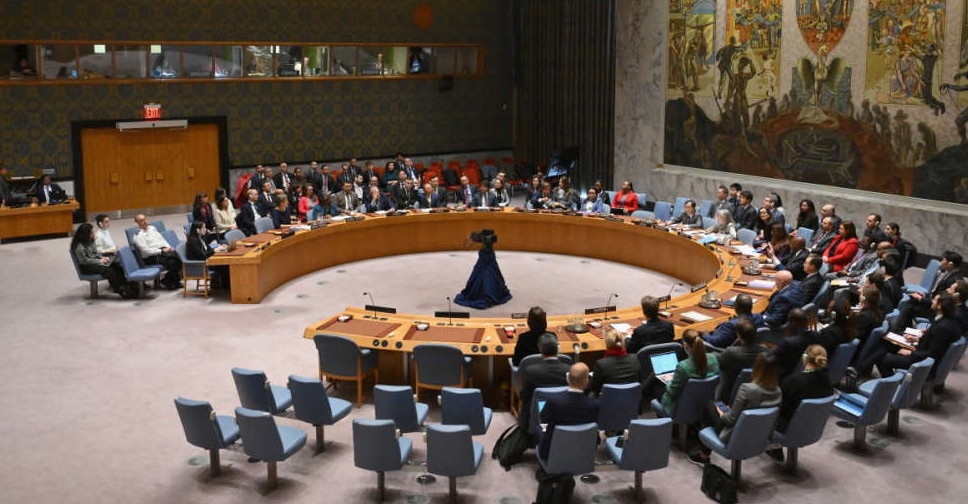
The United Nations Security Council on Friday failed to pass a resolution calling for an immediate ceasefire in Gaza as part of a hostage deal after Russia and China voted against the measure proposed by the United States.
The resolution called for an "immediate and sustained ceasefire" lasting roughly six weeks that would protect civilians and allow for the delivery of humanitarian assistance.
Russia's ambassador to the UN, Vassily Nebenzia, said it was exceedingly politicised and contained an effective green light for Israel to mount a military operation in Rafah.
China and Russia are permanent members of the Security Council alongside the US, the UK and France.
Following the veto, France said it will work on a new resolution for a ceasefire in Gaza.
"Following Russia's and China's veto a few minutes ago, we are going to resume work on the basis of the French draft resolution in the Security Council and work with our American, European and Arab partners to reach an agreement," French President Emmanuel Macron said at the end of a European Union leaders' summit in Brussels.
France's foreign ministry said on Thursday it had started drafting a resolution with diplomats, saying they would put a draft forward if the US resolution did not pass.

 Ukraine urges acceleration of peace talks
 Japan's Takaichi set to secure big majority in lower house election
 Thailand votes in three-way race as risk of instability looms
 Meloni condemns 'enemies of Italy' after clashes in Olympics host city
 Australia's opposition coalition reunites after split over hate laws