
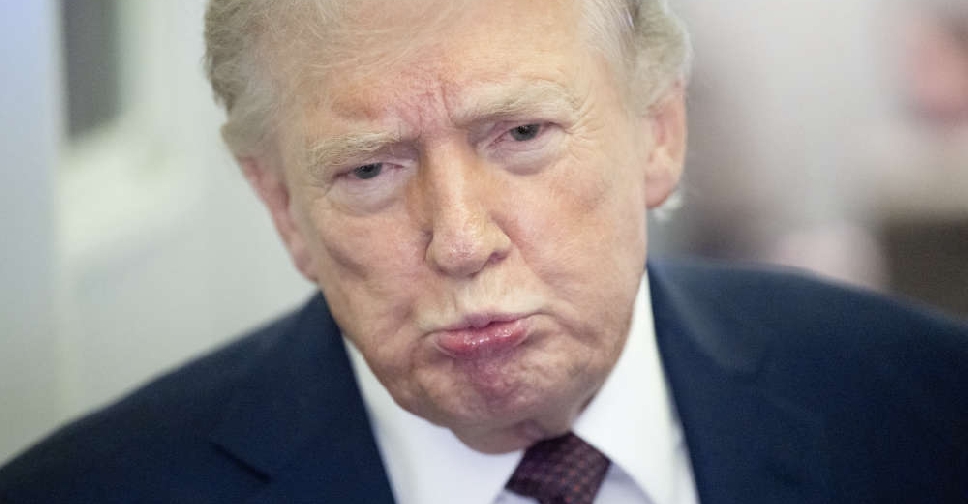
Several U.S. allies said on Monday they had no immediate plans to send ships to unblock the Strait of Hormuz, rebuffing a request by President Donald Trump for military support to keep the vital waterway open.
Trump called on nations to help police the strait after Iran responded to U.S.-Israeli attacks by using drones, missiles and mines to effectively close the channel for tankers that normally transport a fifth of global oil and liquefied natural gas.
Germany, Spain and Italy were among allies that ruled out participating in any mission in the Gulf, at least for now. Other countries were more circumspect, with Britain and Denmark saying they would consider ways they might help, but emphasising a need to de-escalate and avoid getting dragged into the war.
"What does (...) Donald Trump expect a handful or two handfuls of European frigates to do in the Strait of Hormuz that the powerful U.S. Navy cannot do?" German Defence Minister Boris Pistorius said in Berlin on Monday, as he downplayed threats by Trump that failing to come to Washington's aid could have consequences for the NATO alliance.
"This is not our war, we have not started it," he added.
The conflict has nothing to do with NATO and Germany has no plans to be drawn into it, German government spokesperson Stefan Kornelius said.
"Neither the United States nor Israel consulted us before the war, and ... Washington explicitly stated at the outset of the war that European assistance was neither necessary nor desired," the spokesperson said.
Spain said it would not do anything that could escalate the conflict, while Italian Deputy Prime Minister Matteo Salvini said sending military ships to a war zone would be interpreted as joining the conflict.
"Italy is not at war with anyone and sending military ships in a war zone would mean entering the war," Salvini told reporters in Milan.
NATO countries, several of whom have been at the sharp end of criticism from Trump in recent months, are wary of angering the White House, and some signalled willingness to help find a solution, even if plans remain vague for now.
EU foreign policy chief Kaja Kallas said the bloc was in talks with the United Nations about replicating a deal that had been used to allow grain to be exported out of Ukraine during its war with Russia.
EU DISCUSSING MANDATE OF RED SEA MISSION
The EU is also discussing whether it could change the mandate of its Middle East naval mission, Aspides, which currently protects ships in the Red Sea from attacks by Yemen's Houthi rebel group, to include the Strait of Hormuz, Kallas said.
But Greece, which leads the Aspides mission, will limit its participation in the Middle East to the Red Sea, said government spokesman Pavlos Marinakis.
Britain's Prime Minister Keir Starmer, whose reluctance to help the initial U.S. attacks drew sharp criticism from Trump, said Britain would work with allies on a collective plan to secure freedom of navigation through the strait.
But he said this would not be easy, and he reiterated that the UK would not be drawn into a wider war. Britain has autonomous mine-hunting systems that could be used, Starmer said.
Denmark, traditionally one of the most enthusiastic NATO allies but which has clashed with Trump over his demands that it cede Greenland, said the EU should consider helping reopen the strait even if it didn't agree with the war.
"Even if we don't like what's going on, I think it's wise to keep an open mind on whether Europe ... in some way can contribute, but with a view towards de-escalation," Danish Foreign Minister Lars Lokke Rasmussen said.
Dutch Foreign Minister Tom Berendsen said that were NATO to agree any mission in the Gulf it would take time to draw up a framework.
"These are weighty decisions, and any action must be both feasible and impactful. At this moment, no decision is on the table," Berendsen said on Monday in Brussels.

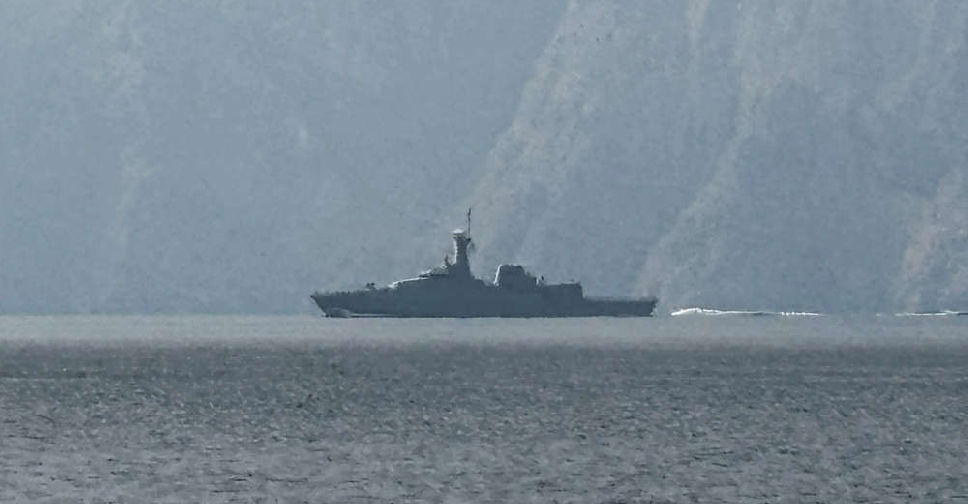 Pakistan-bound oil tanker passes through Hormuz Strait amid Iran war
 Iranian women's soccer team begin journey home after players decline asylum
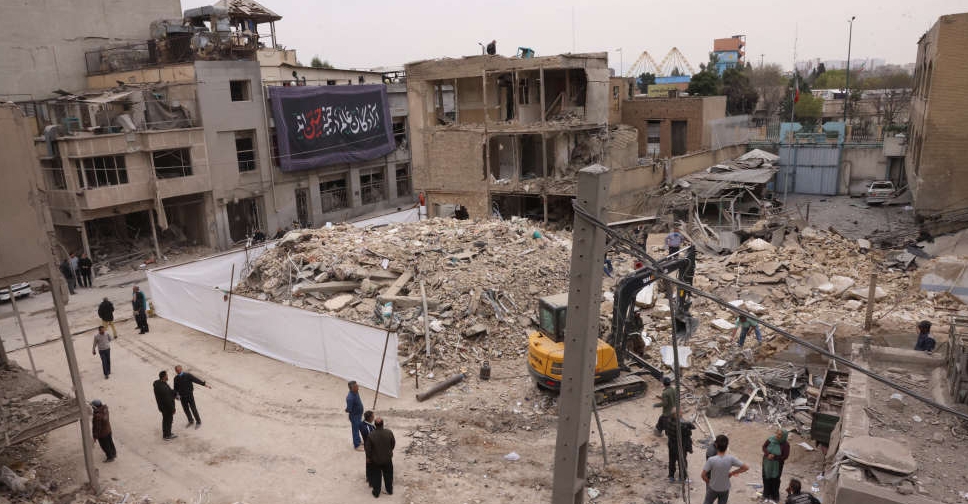 Israel says it has plans for at least three weeks of war as airstrikes pound Iran
 WHO says six hospitals evacuated in Iran, system holding up
 Russia strikes Kyiv in rare daytime drone attack, foils major Ukraine offensive