

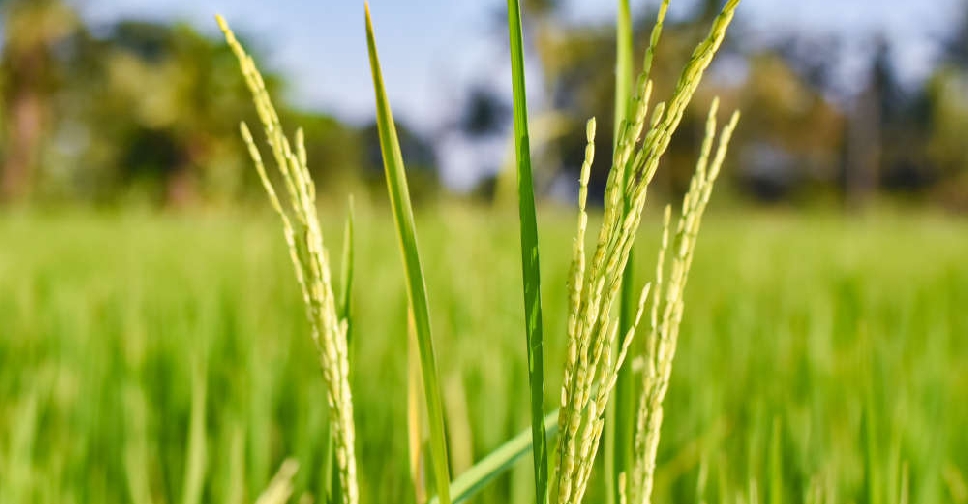
A first field of rice plants created in Italy with the help of new genomic techniques has been vandalised, compromising the results of research aimed at making agriculture more efficient and sustainable in the post-GMOs era.
A research group from the University of Milan was authorised in March to test a rice crop modified with the CRISPR/Cas9 system, a Nobel-winning technique that, unlike genetically modified organisms (GMOs), does not involve the introduction of genes from other species.
The modification of the crop, planted in May in a small plot in the northern province of Pavia, 70 km (45 miles) from Milan, was intended to increase its resistance to the main pathogen in rice growing, thereby reducing the use of polluting pesticides.
"Between last Thursday and Friday, some people broke through the fence and uprooted the plants, cutting them meticulously so that the experiment would fail," said professor Vittoria Brambilla, head of the research team at the University of Milan.
"When the following morning the farmer saw the plants floating in the paddy, he called the police, but those guys had disabled the surveillance camera, so they were not identified and nobody even claimed the act," she added.
After decades when no agricultural genetic experiments were approved, Brambilla's research had taken advantage of an emergency Italian decree issued last year against drought, which temporarily authorised field trials for crops obtained through genomic techniques.
As two-thirds of the plants have not survived and the others are severely damaged, the experiment would need to be repeated next year to obtain concrete results, but the deadline for the trials is set at the end of 2024.
Senator Luca De Carlo, chairman of the agriculture committee of the upper chamber of the Italian parliament, has pledged to organise a vote by the end of this week to extend the law.
Other experimental crops, including tomatoes and grapevines, could also benefit from an extension of the timeframe to the end of 2025, Brambilla and De Carlo said.
Once a decision has been made on a new deadline, De Carlo said the discussion would shift to the security of the fields where the experiments are carried out, which are easily identifiable because their geolocation is required to be made public.

 Israeli airforce pounds Beirut, Lebanon death toll rises
 US releases Epstein-related FBI interviews mentioning Trump
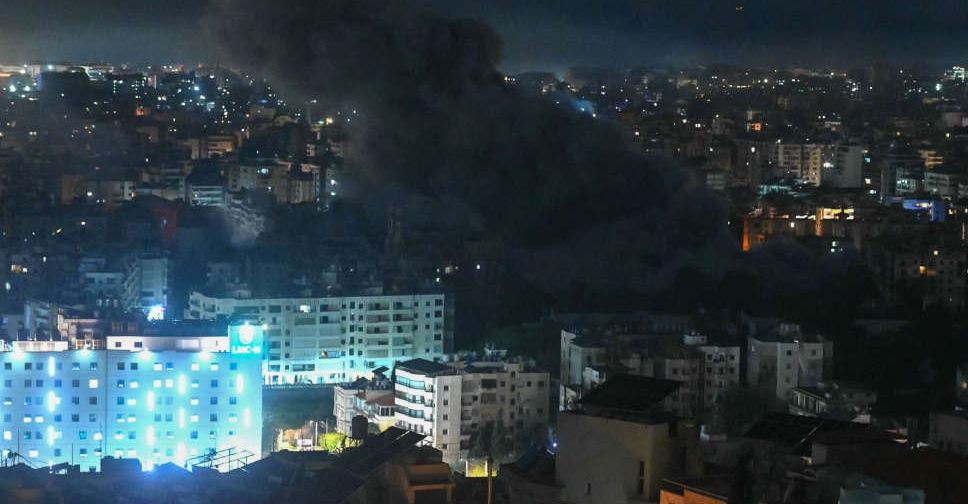 Hezbollah warns Israeli residents to evacuate towns near border
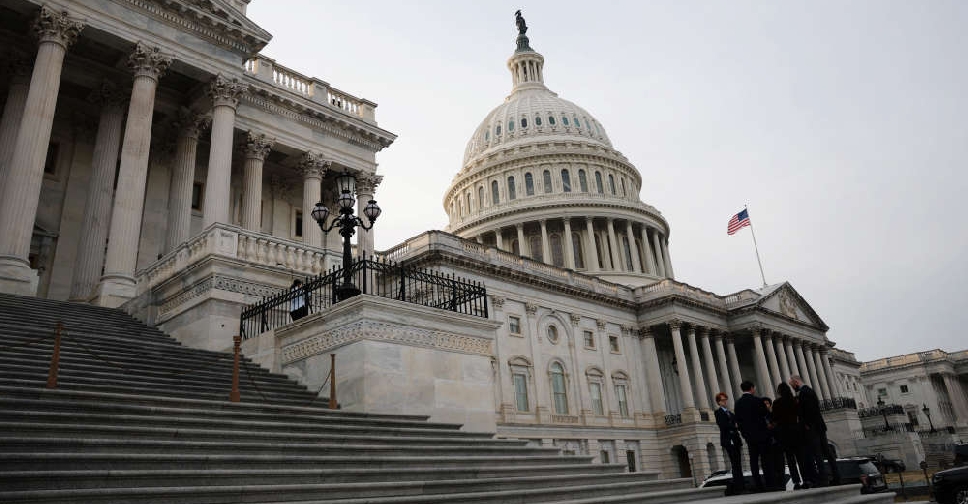 US House rejects war powers resolution, backs Trump on Iran war
 Saudi Arabia, Qatar, Kuwait intercept drones targeting territory