

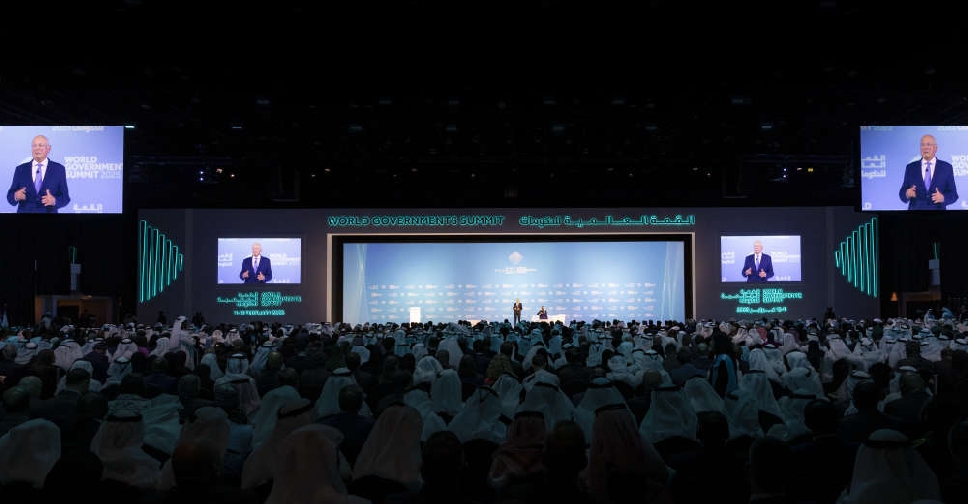
Prof. Klaus Schwab, Chairman of the Board of Trustees of the World Economic Forum, has emphasised the urgent need for global governmental cooperation in navigating the rapidly evolving intelligent age.
While addressing the World Governments Summit (WGS) in Dubai on Tuesday, Schwab drew parallels to previous industrial revolutions, highlighting the unprecedented speed of the current transformation, driven by advancements in artificial intelligence, quantum computing and cryptocurrencies, among other emerging technologies.
He stressed that unlike past shifts, this revolution allows mere years, not generations, to adapt.
A key mandate for governments, according to Schwab, is developing the talent needed to shape this new era.
With WEF research indicating that 50% of jobs will be directly or indirectly impacted within the next 5-10 years, he emphasised the crucial role of education in equipping individuals with the necessary capabilities.
Schwab called for international cooperation in establishing ethical policies surrounding these technologies, recognising their potential for both immense benefit and harm.
He advocated for a more coordinated global process, and stressed the importance of addressing public anxieties stemming from the rapid pace and complexity of technological advancement.
Governments, he urged, must play a vital role in educating and explaining these technologies, framing them as opportunities rather than threats.
Prof. Klaus Schwab, Chairman of the Board of Trustees of the World Economic Forum, highlights new technologies shaping the world and the importance of educating people and governments about these technologies. #WGS25#WorldGovSummit pic.twitter.com/wICpZ8Rroj
— World Governments Summit (@WorldGovSummit) February 11, 2025
Schwab also commended the UAE’s foresight in appointing an AI minister in 2017, recognising the transformative impact of these technologies on all aspects of life.
WGS 2025, which runs from February 11-13 under the theme 'Shaping Future Governments', convenes over 30 heads of state and government, more than 80 international and regional organisations and 140 government delegations.
Its agenda features 21 global forums exploring major future trends and transformations, over 200 interactive sessions with more than 300 prominent speakers, and over 30 ministerial meetings and roundtables attended by more than 400 ministers.
The summit will also publish 30 strategic reports in partnership with its international knowledge partners.

 UAE confirms first day of Ramadan
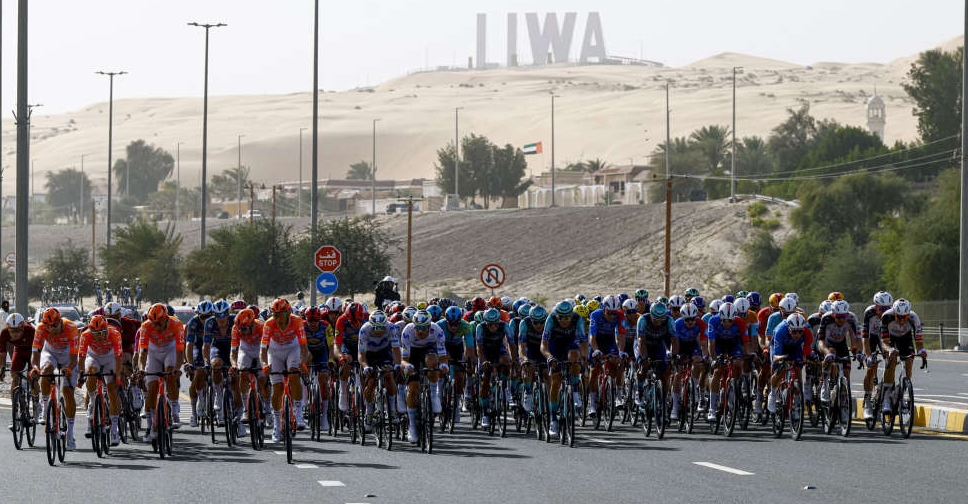 UAE Tour 2026 announces road closures for Stage 3 race
 Dubai adjusts paid parking, Salik hours for Ramadan
 Dubai expands road network with new Al Rowaiyah corridor
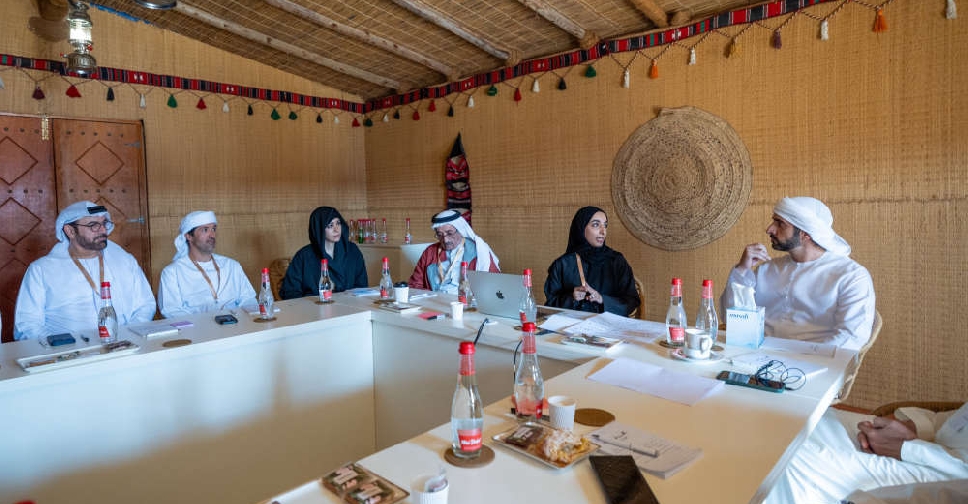 Dubai Camp drives next phase of government innovation
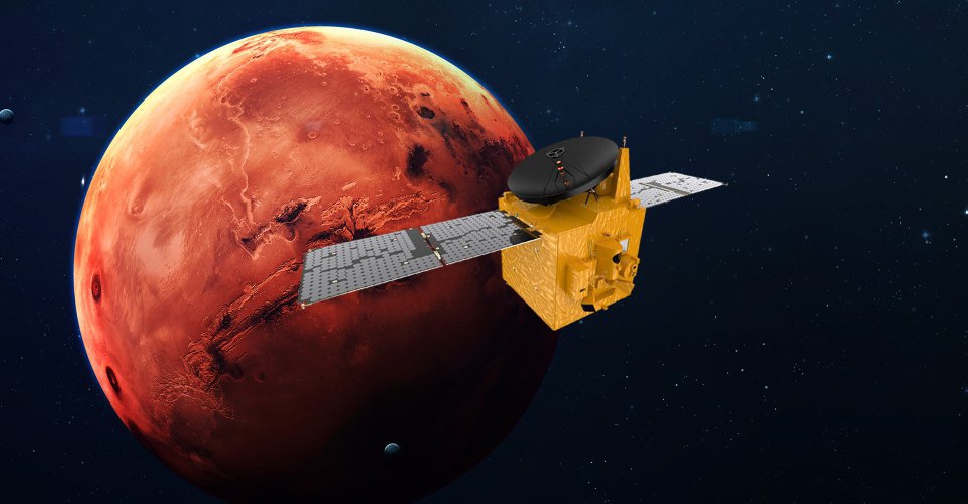 UAE extends Emirates Mars Mission until 2028
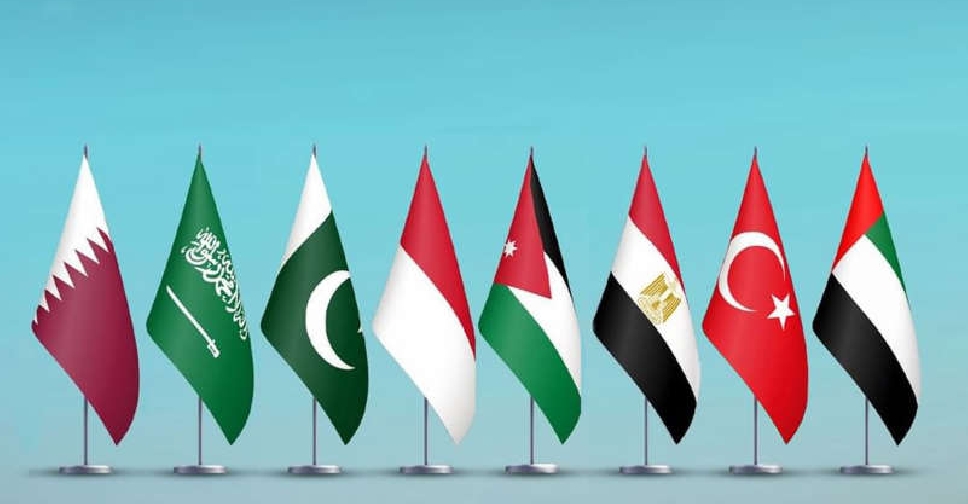 UAE joins 7 nations in condemning Israel's West Bank land registration plan
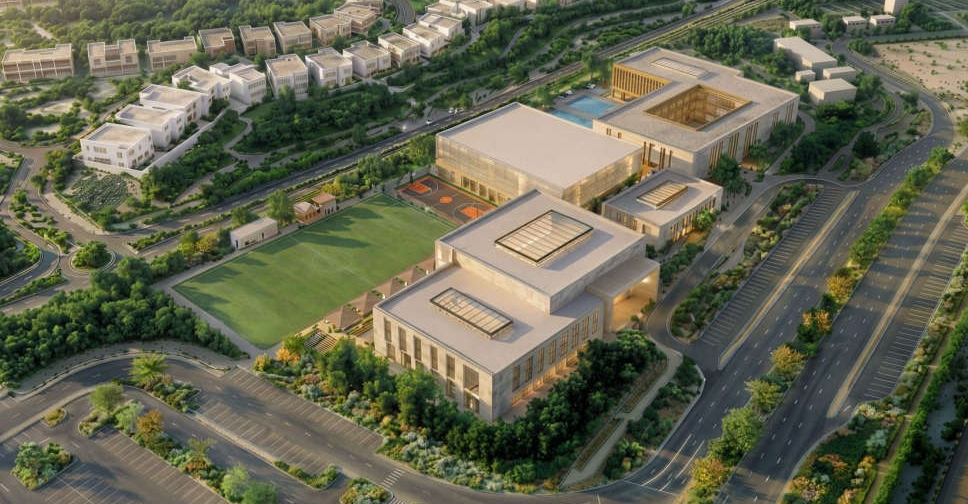 Dubai Holding, Nord Anglia Education partner to develop new premium schools
 UAE President posts special message on Lunar New Year
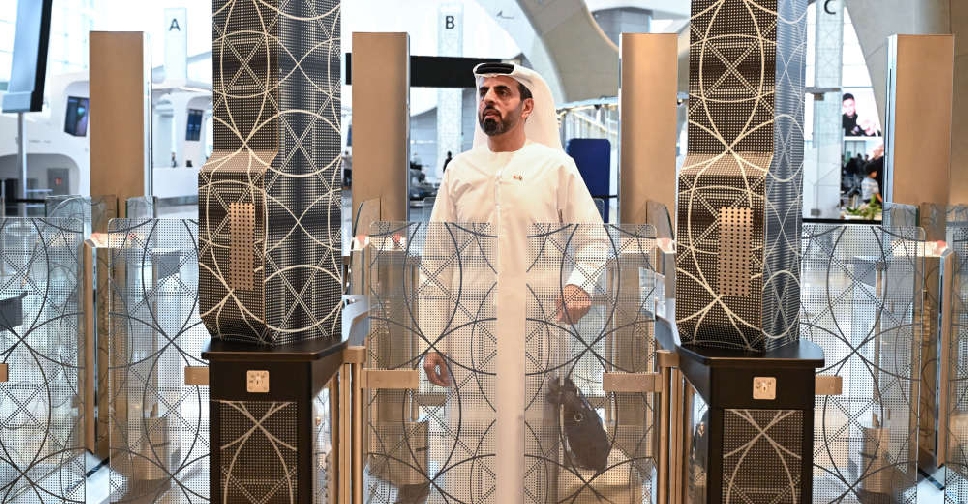 New UAE, Bahrain fast-track travel system takes off
 Dubai's Al Jalila Foundation unveils cancer support fund
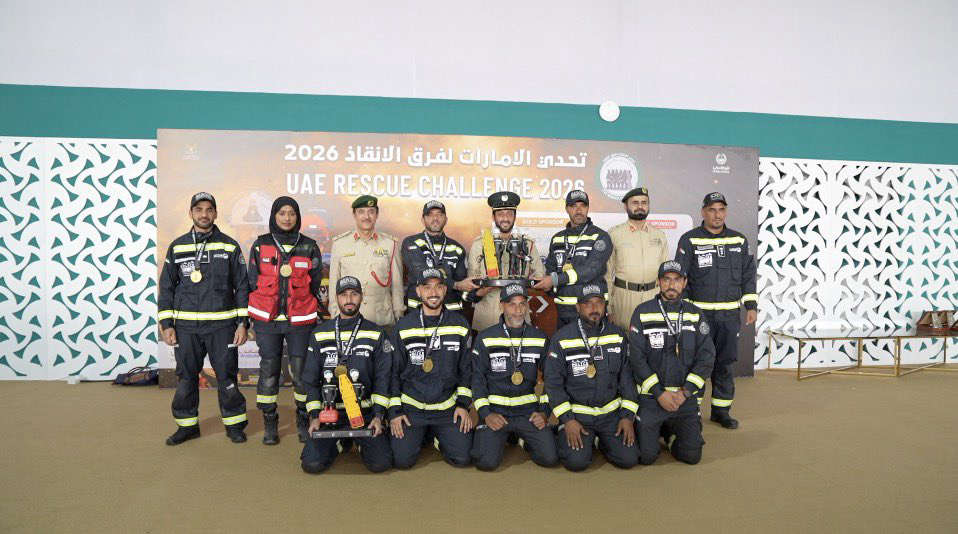 Dubai Police crowned champions of UAE Rescue Challenge
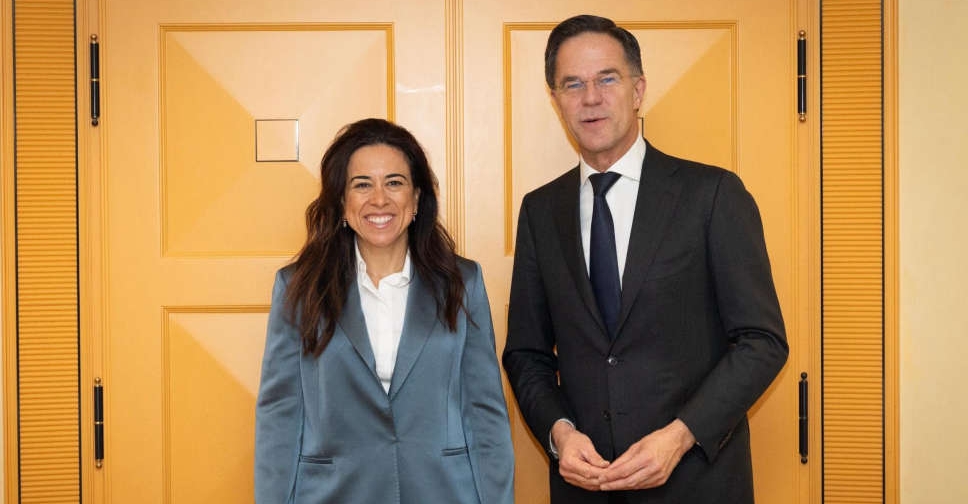 UAE discusses strengthening partnership with NATO
 Dubai Police urge vigilance against online begging
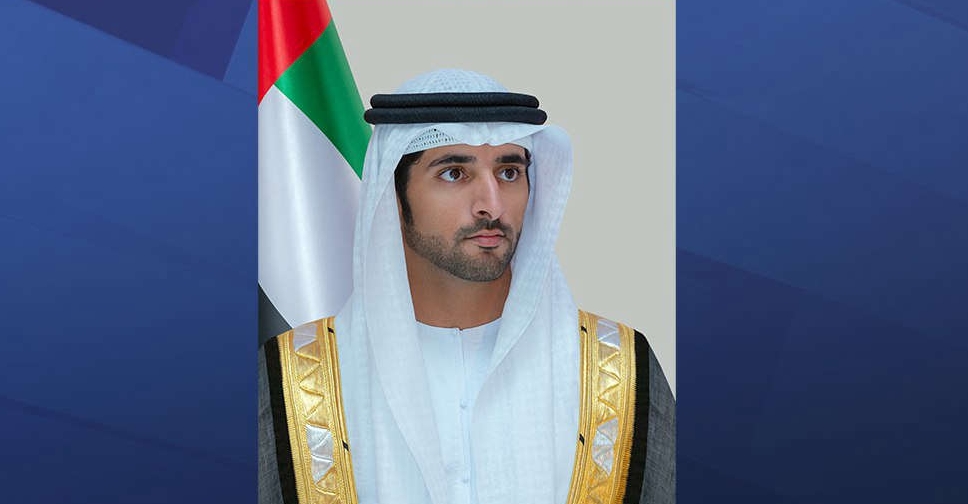 H.H. Sheikh Hamdan pays tribute to UAE's royal photographer
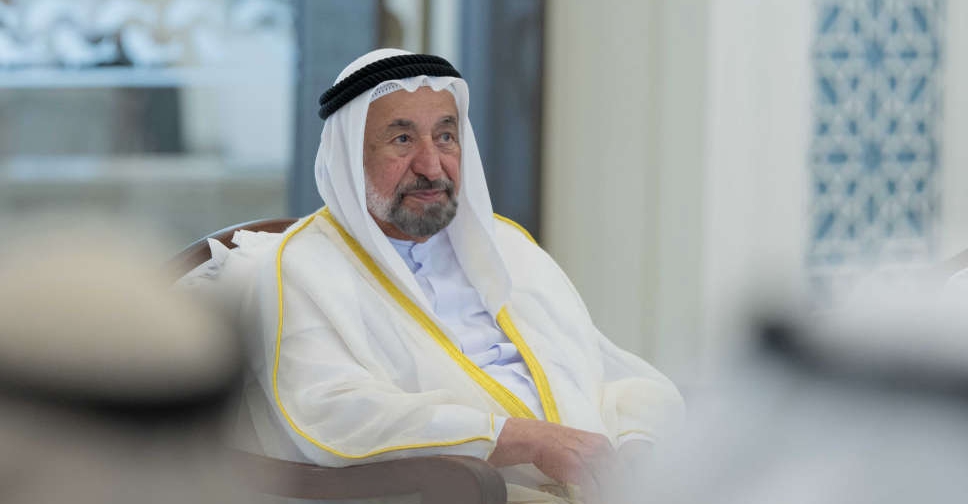 Sharjah approves over AED76 million in debt settlement for citizens
 H.H. Sheikh Hamdan awards Arab Hope Makers
 UAE looks into framework to regulate children's social media use
 UAE Ramadan moon-sighting committee to meet on Tuesday
 RTA opens second bridge at Al Qudra intersection

