
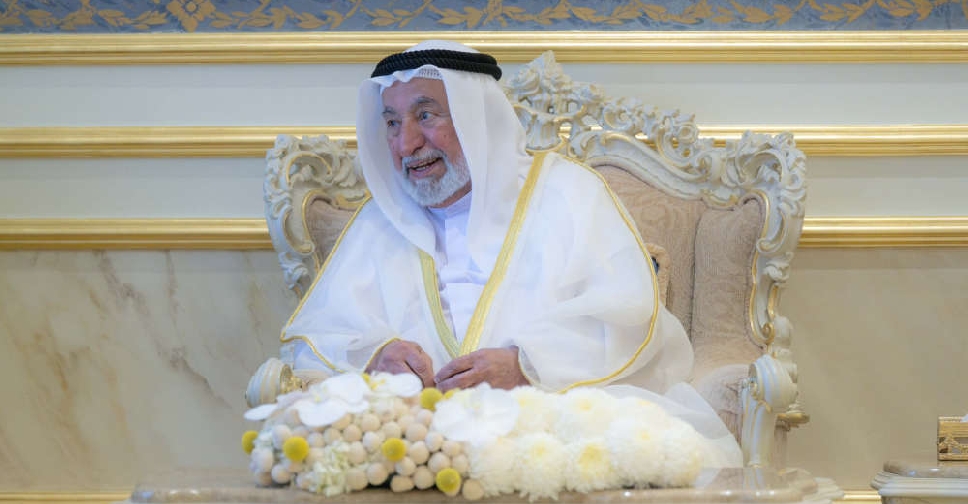
His Highness Sheikh Dr. Sultan bin Mohammed Al Qasimi, Supreme Council Member and Ruler of Sharjah, has issued two key laws to reorganise the emirate's police, security forces and military personnel.
Law No. (5) of 2025 amends the earlier law on the reorganisation of Sharjah's police and security forces, while Law No. (6) of 2025 modifies the regulations for human resources in the emirate’s military bodies.
The revisions streamline military ranks within Sharjah’s police, security forces and regulatory bodies by removing two non-commissioned officer positions, making it easier for personnel to advance to officer ranks.
This change is designed to facilitate career progression and motivate personnel.
Under the amendments, military ranks for police, security forces and regulatory body personnel in Sharjah are now structured as follows:
Officers:
1. Second Lieutenant
2. First Lieutenant
3. Captain
4. Major
5. Lieutenant Colonel
6. Colonel
7. Brigadier
8. Major General
9. Lieutenant General
10. General
Non-commissioned Officers:
1. Sergeant
2. First Sergeant
3. Warrant Officer
4. Senior Warrant Officer
5. Officer Assistant
Enlisted Personnel:
1. Recruit
2. Police Officer
3. Senior Police Officer
4. Corporal
5. Senior Corporal

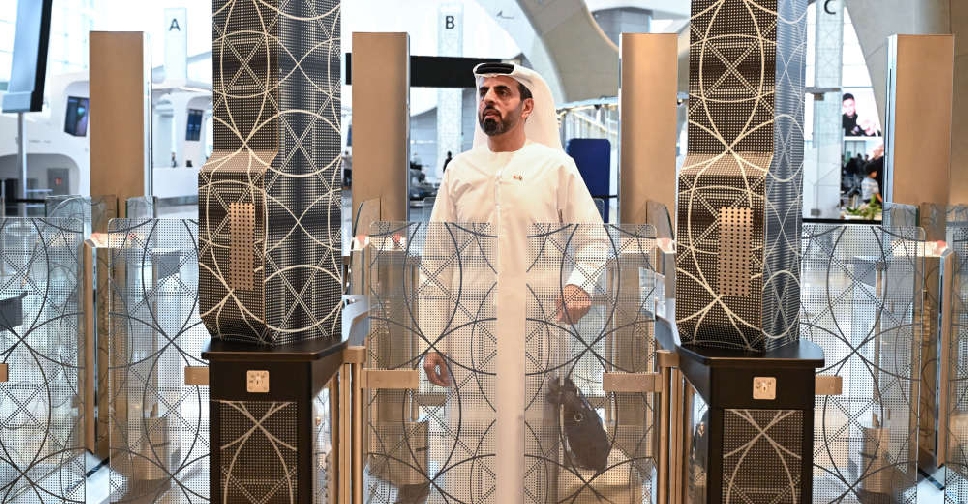 New UAE, Bahrain fast-track travel system takes off
 Dubai adjusts paid parking hours for Ramadan
 Dubai's Al Jalila Foundation unveils cancer support fund
 Dubai Police urge vigilance against online begging
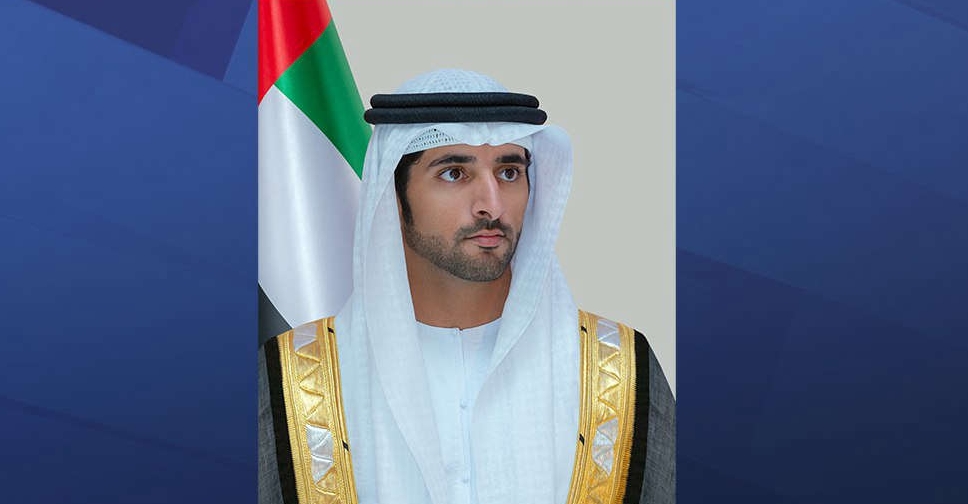 H.H. Sheikh Hamdan pays tribute to UAE's royal photographer
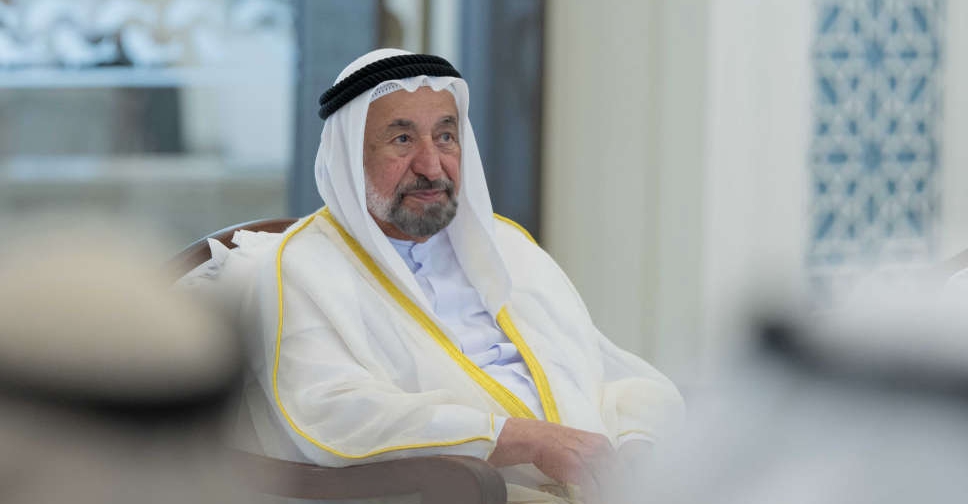 Sharjah approves over AED76 million in debt settlement for citizens
 H.H. Sheikh Hamdan awards Arab Hope Makers
 UAE looks into framework to regulate children's social media use
 UAE Ramadan moon-sighting committee to meet on Tuesday
 RTA opens second bridge at Al Qudra intersection
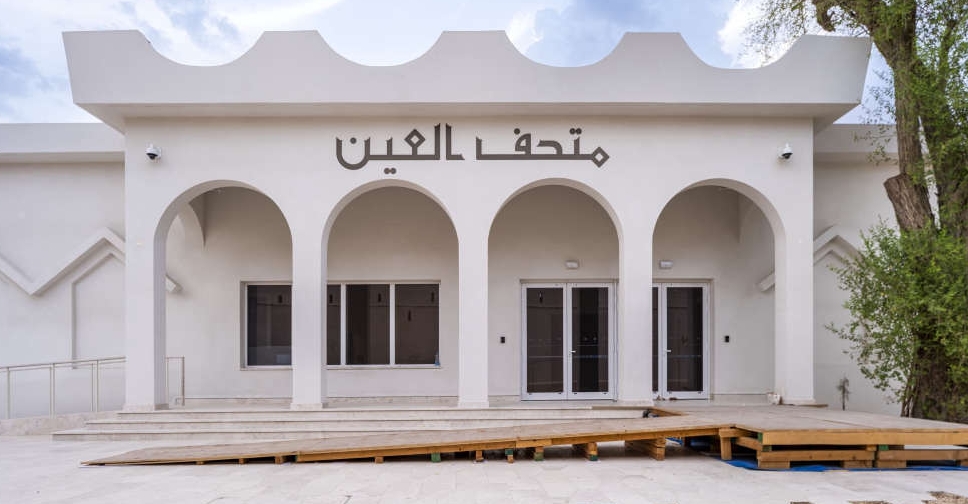 Abu Dhabi identifies over 40 modern heritage sites
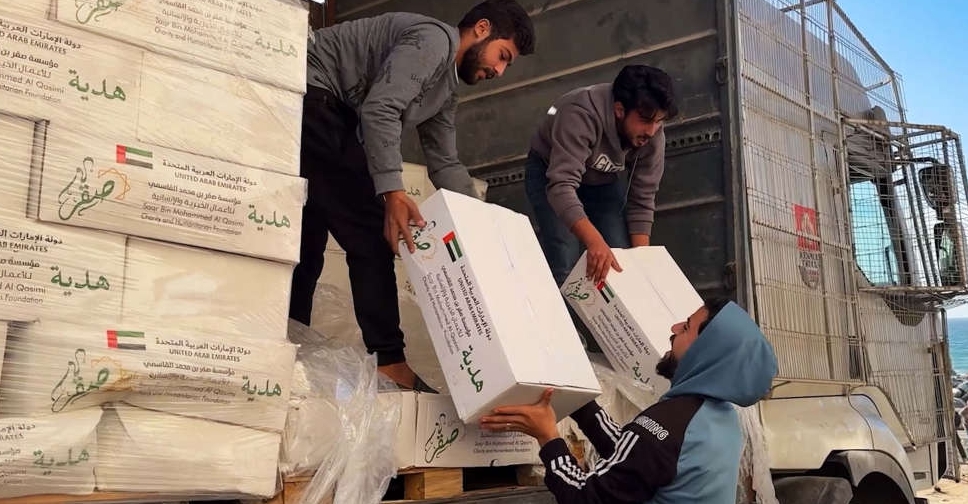 Distribution of aid from UAE's Saqr Humanitarian Ship begins in Gaza
 Dubai to expand bus and taxi lanes as public transport ridership grows by 7.4%
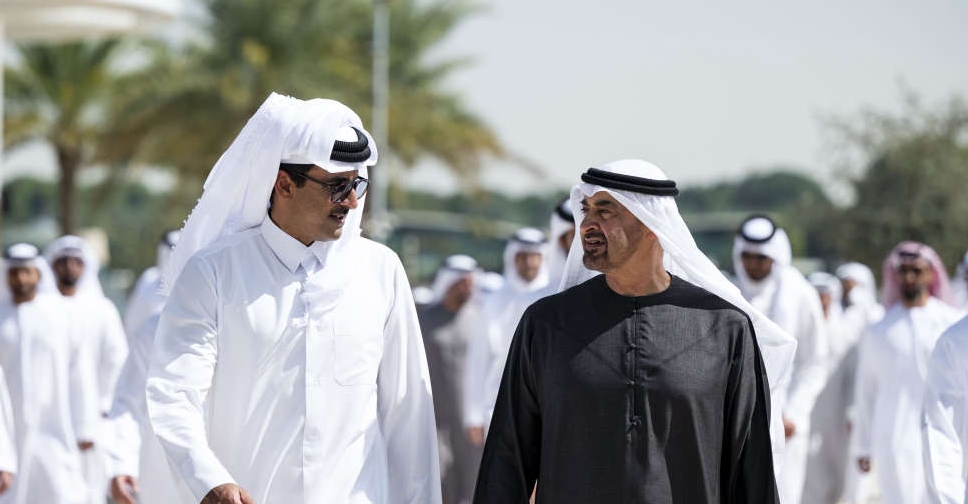 Emir of Qatar welcomed by UAE President on visit to Abu Dhabi
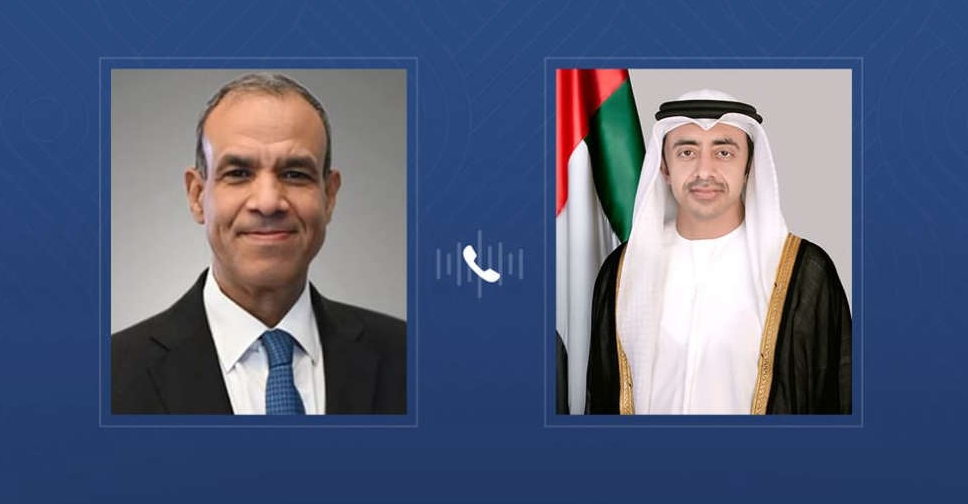 UAE, Egypt Foreign Ministers discuss Gaza peace plan
 UAE, Pakistan leaders discuss boosting economic ties
 UAE, Bosnia FMs discuss strengthening bilateral relations
 H.H. Sheikh Mohammed launches campaign to rescue 5 million children from hunger
 Dubai advances measures to support people of determination
 Abu Dhabi Crown Prince to lead UAE delegation at AI Impact Summit in India

