
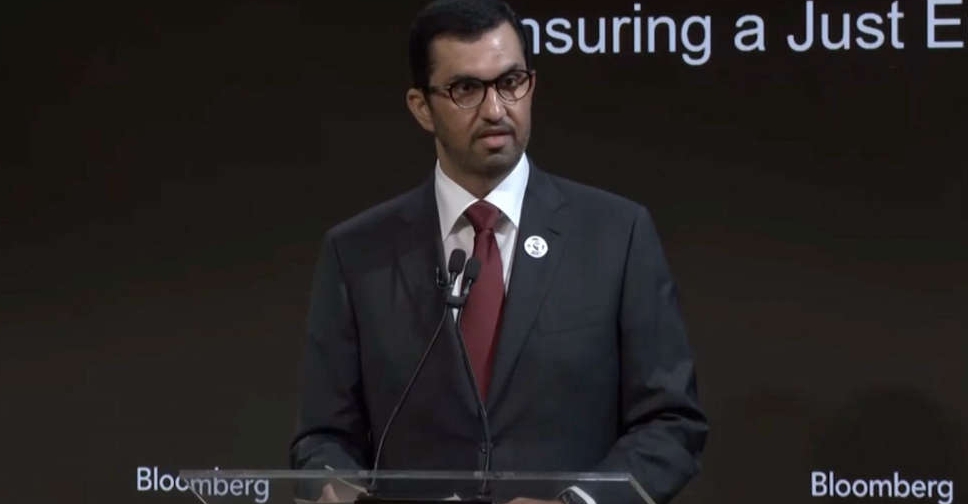
Dr. Sultan bin Ahmed Al Jaber, Minister of Industry and Advanced Technology, Special Envoy for Climate Change, has emphasised the need for a just, affordable, and successful energy transition to drive both economic growth and climate action.
He was addressing world leaders, ministers and experts at the Bloomberg ‘Emerging + Frontier Forum’, ahead of the United Nations General Assembly in New York.
In his keynote address, Dr. Al Jaber remarked that the energy transition needs a realistic, practical and economically viable plan in order to succeed in delivering climate progress together with energy security and economic growth.
"If people’s basic energy needs are not met, economic development slows down and so does climate action. And, if we under-invest in the energy system of today, before the energy system of tomorrow is ready, we will only make matters worse.
"Globally, there are less than one and half million barrels of spare oil capacity, that’s less than 2% per cent of global consumption. In a world where markets may face further disruption, that doesn’t give us a lot of room to maneuver. In fact, it is a recipe for disaster, when what we need is a recipe for progress."
Dr. Sultan added, "The fundamental challenges of the energy transition are as follows:
* One. How to ensure economies move forward, while putting the brakes on emissions.
* Two. How to maintain energy security and climate progress at the same time.
* And three: How to make sure that no one gets left behind. I believe we can, we must, and in fact we have no other option, but to solve these challenges together."
"Before looking for solutions, we have to recognise that the current energy system is vast, complex and multi-faceted. And transitioning to a new energy system needs a system-wide response. It needs measured, practical and sober planning," Dr Al Jabber added.
"In short, we need a realistic strategy to keep the increase in global temperatures within 1.5 degrees, while expanding access to affordable energy."
The minister welcomed the fact that wind and solar energy had accounted for over 80 per cent of all new power generating capacity last year, demonstrating that the power sector is shifting rapidly to renewable sources. However, he reminded the audience that hard to abate sectors that consume the most energy are still very reliant on conventional sources.
"As a regional leader in #RenewableEnergy, we have invested $50 billion across 70 countries in the last two decades, with plans for a further $50 billion in the years to come," said H.E. Dr. Sultan Al Jaber @Bloomberg Emerging Frontier Forum, on the sidelines of #UNGA77. pic.twitter.com/5aWz2527zb
— Office Of The UAE Special Envoy For Climate Change (@uaeclimateenvoy) September 22, 2022


 UAE President, Italy PM discuss regional developments
 Five UAE convoys deliver 617 tonnes of aid to Gaza
 H.H. Sheikh Hamdan attends unveiling of UAE asteroid mission probe
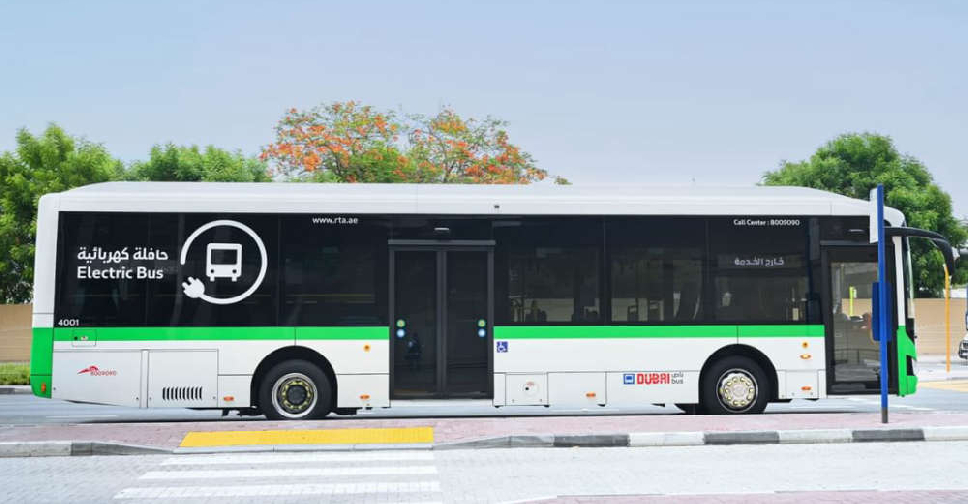 RTA organising inaugural Dubai conference on sustainable transport and mobility
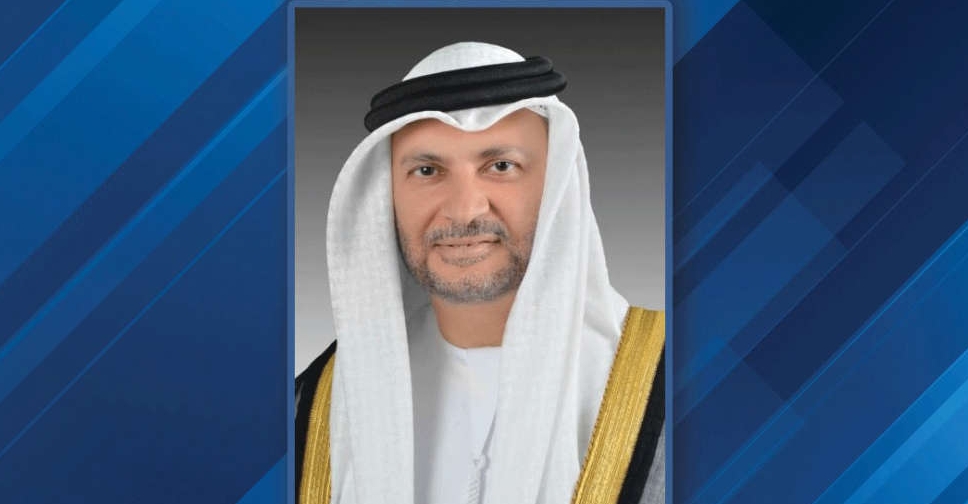 Anwar Gargash reiterates UAE position on three islands
 UAE human rights body calls for safeguards in climate technology
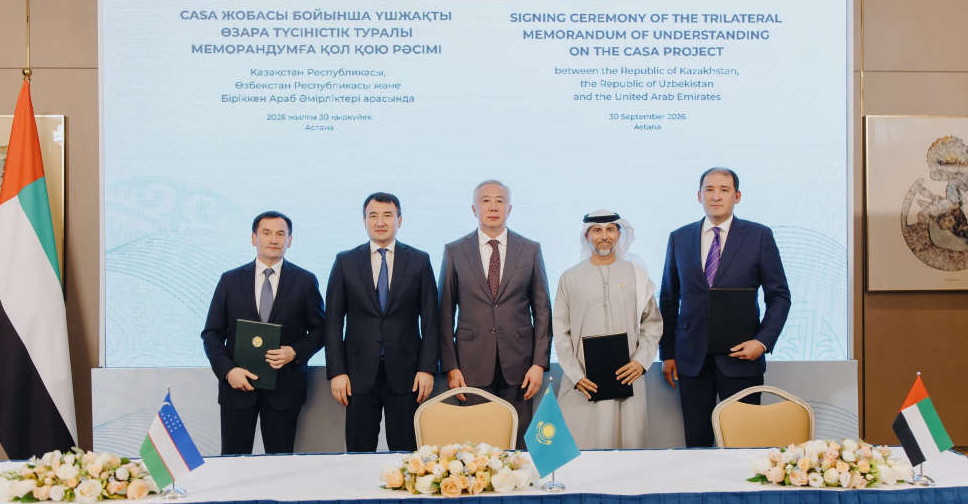 UAE and Kazakhstan expand cooperation in transport, energy and AI
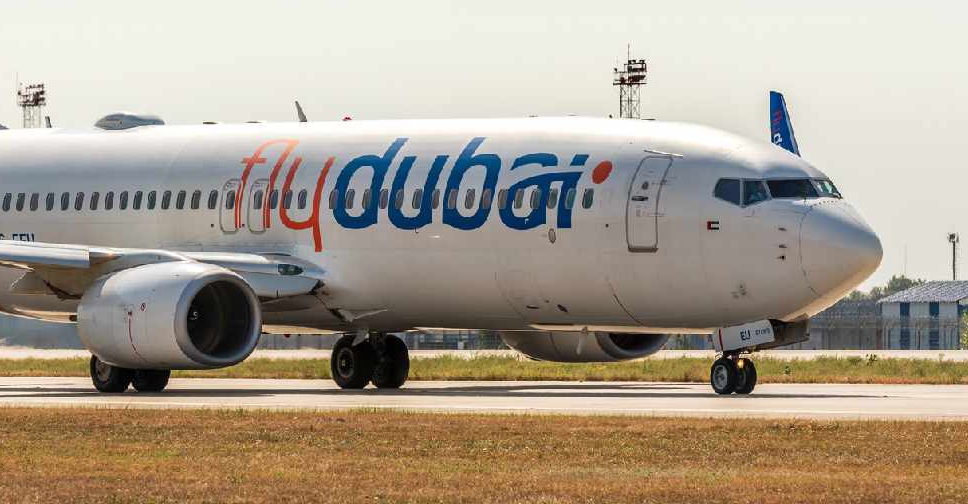 UAE probe reveals flydubai co-pilot attempted terrorist act
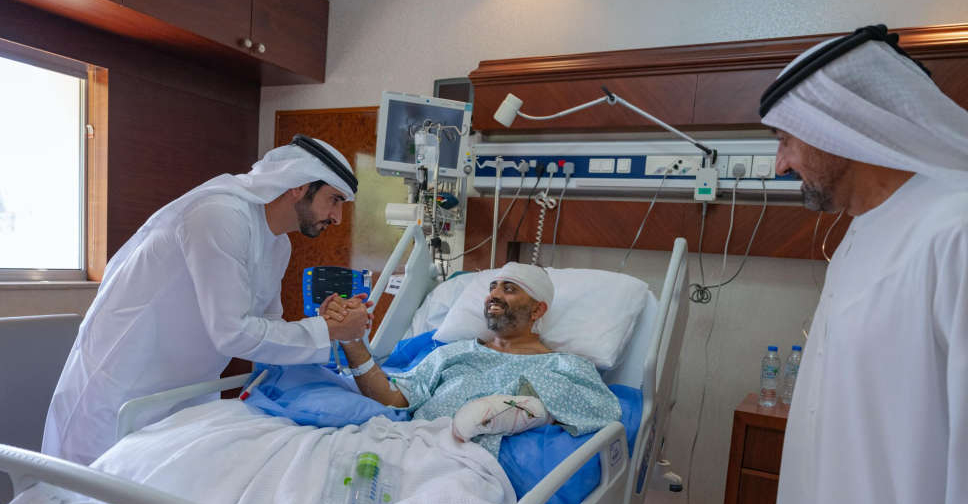 H.H. Sheikh Hamdan praises flydubai pilot for 'courage and responsibility'
 Dubai's RTA warns of traffic delays during cycling race
 flydubai CEO thanks crew, passengers as FZ1073 investigation proceeds
 GCAA commends captain, crew and passengers of flight FZ1073
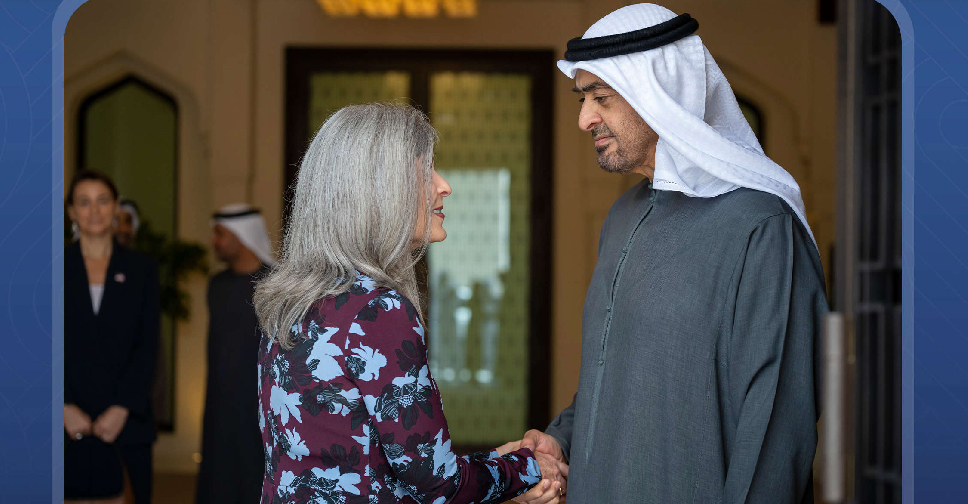 UAE President, US Senator discuss stronger strategic partnership
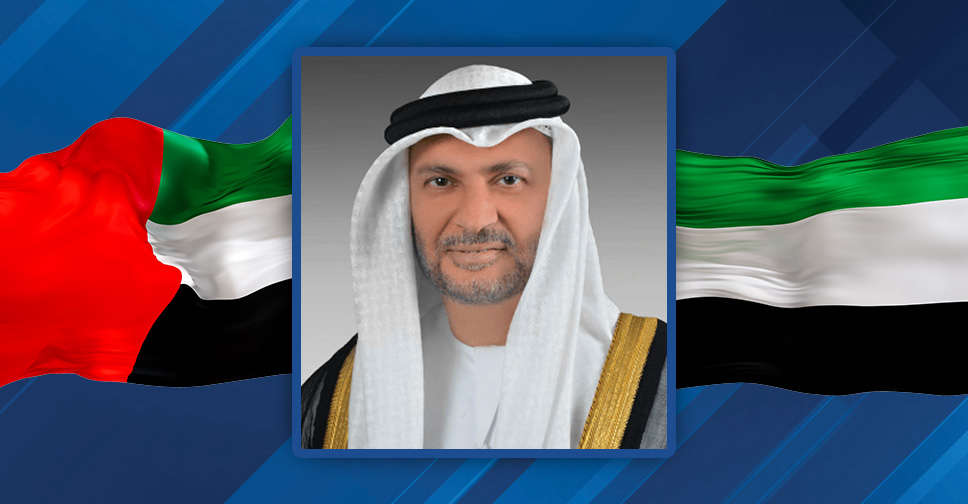 Gargash hails flydubai pilot as hero after security incident
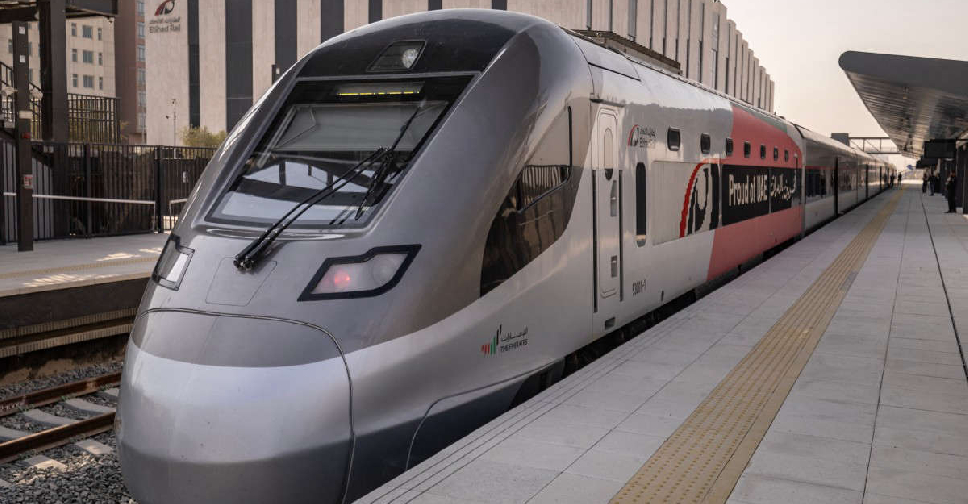 Etihad Rail boosts Abu Dhabi-Dubai weekend services after strong demand
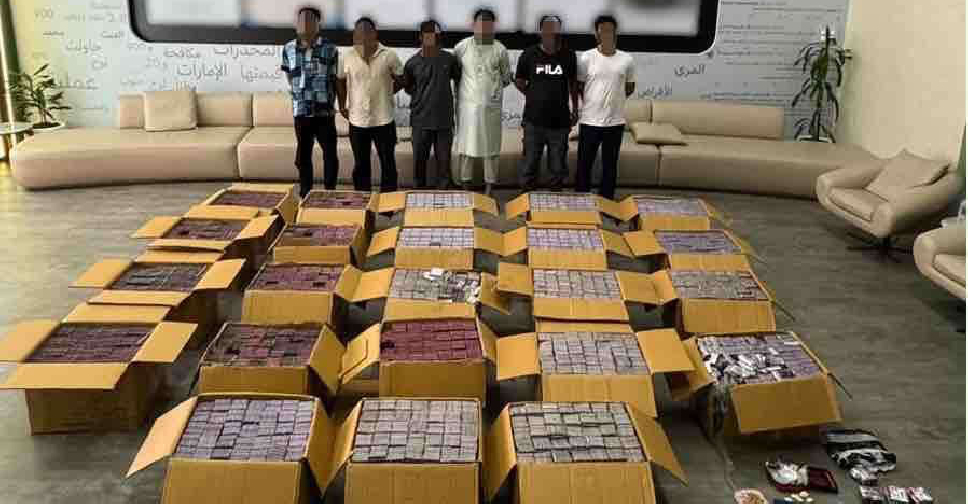 14 arrested, drugs worth AED 115 million seized in Dubai Police operation
 UAE condemns Houthi drone attack on Madinah power station
 Emirates flight to London diverted following medical emergency
 Dubai private school enrolment up 4.6% for new academic year
 UAE Attorney-General orders investigation of flydubai flight incident

