

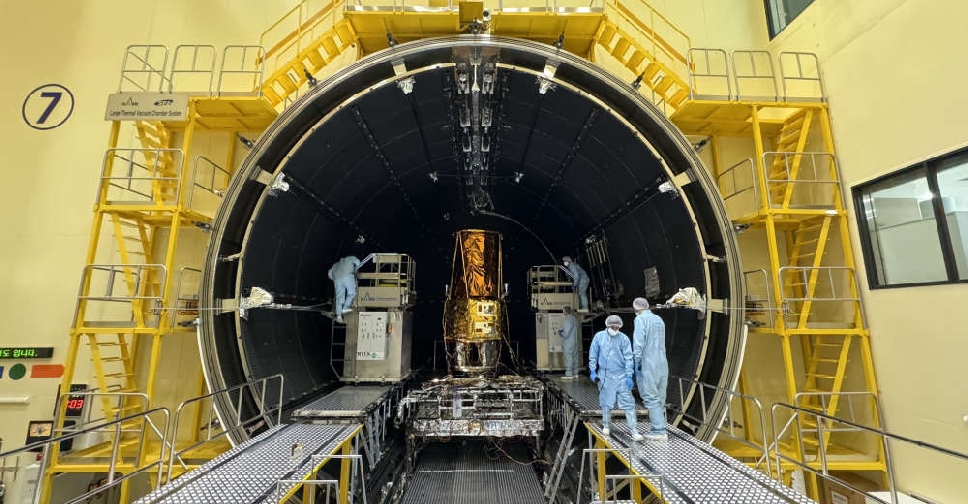
The Mohammed bin Rashid Space Centre (MBRSC) has begun environmental testing on MBZ-SAT satellite, after transporting it to the Korea Aerospace Research Institute (KARI) testing facility.
The tests, which will last around two months, aim to ensure that the satellite can withstand the challenges of launch and operation in space.
A 36-member team of engineers from MBRSC is currently in South Korea overseeing the preparations.
MBZ-SAT, which is fully developed and built by a team of Emirati engineers, is scheduled for launch no earlier than October 2024.
Following the successful completion of the environmental testing phase, MBZ-SAT will be ready for transport to the United States, where following its arrival, it will be prepared for the scheduled launch.
The satellite will be launched on a SpaceX Falcon 9 rocket during the Transporter-12 Rideshare mission.
Key highlights from the commencement of environmental testing on MBZ-SAT, after transporting it to the Korea Aerospace Research Institute (KARI) testing facility. This phase includes Thermal Vacuum (TVAC), Vibration, Acoustic, and Mass Properties testing. pic.twitter.com/ajKdEgqSrs
— MBR Space Centre (@MBRSpaceCentre) June 13, 2024
Environmental testing phases
The satellite’s environmental testing sequence will commence with Thermal Vacuum (TVAC) testing, where it will be subjected to simulated space conditions of extreme temperature and vacuum.
Following TVAC, the satellite will undergo Vibration testing, which assesses its structural integrity and ability to withstand the mechanical stresses encountered during launch and operation.
Subsequently, the satellite will undergo Acoustic testing, replicating the intense sound pressure levels experienced during launch, to ensure it can withstand such conditions without damage.
Finally, Mass Properties testing will be conducted to precisely measure and characterise the satellite's mass distribution, aiding in its accurate deployment and trajectory calculations in space. This sequential testing approach ensures thorough evaluation of the satellite's readiness for safe and reliable operation in space.
Most advanced satellite in the region
MBZ-SAT, equipped with one of the region's most powerful cameras, can capture high-resolution images of areas smaller than a square metre, meeting the increasing commercial demand for such images and establishing the UAE as a centre of high-tech space technology development and innovation.
The MBRSC will offer rapid turnaround of captured data round-the-clock, sharing it with users globally through an advanced system.
This imagery solution can support a wide variety of uses within mapping and analysis, environmental monitoring, navigation, infrastructure management and disaster relief efforts.

 UAE commends Kuwait’s vigilance in foiling terrorist plot
 UAE strongly condemns Iranian attack on ADNOC vessels
 Arab nations condemn Iranian attack on ADNOC tankers
 2 ADNOC vessels attacked in Strait of Hormuz
 Abu Dhabi shuts down cafe over food safety violations
 Dubai Police warn of cyber threats on gaming platforms
 UAE allocates $10 million for Colombia earthquake relief
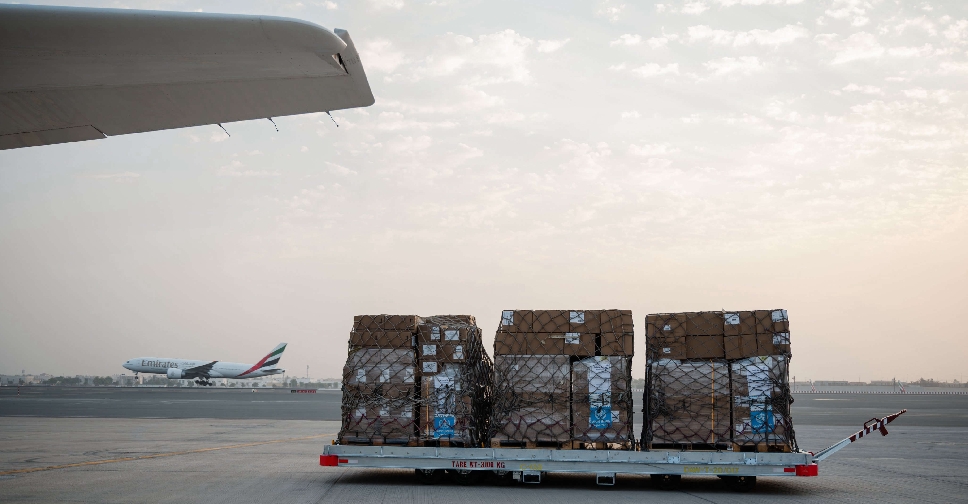 Dubai Humanitarian launches air bridge to deliver vital aid to Gaza
 UAE reaffirms solidarity with Colombia after earthquake
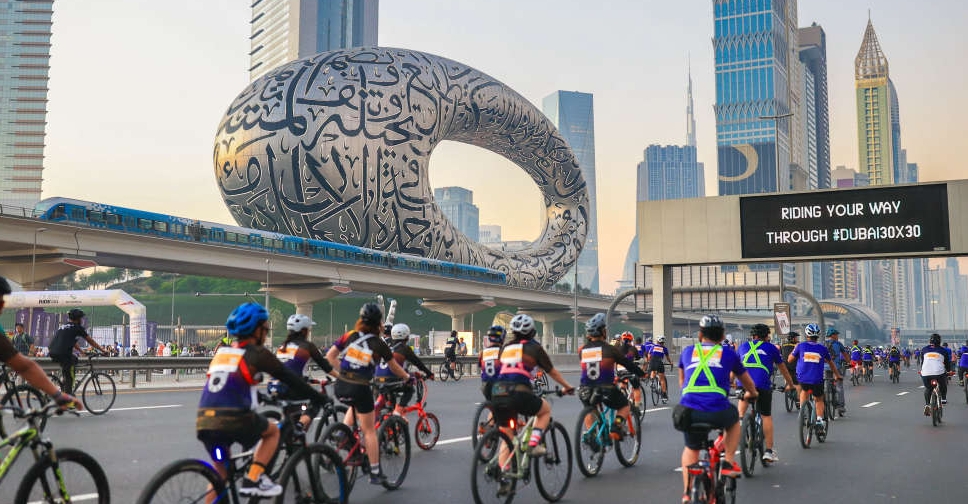 Dubai Fitness Challenge returns for another exciting edition
 UAE President, King of Bahrain discuss stronger ties and regional stability
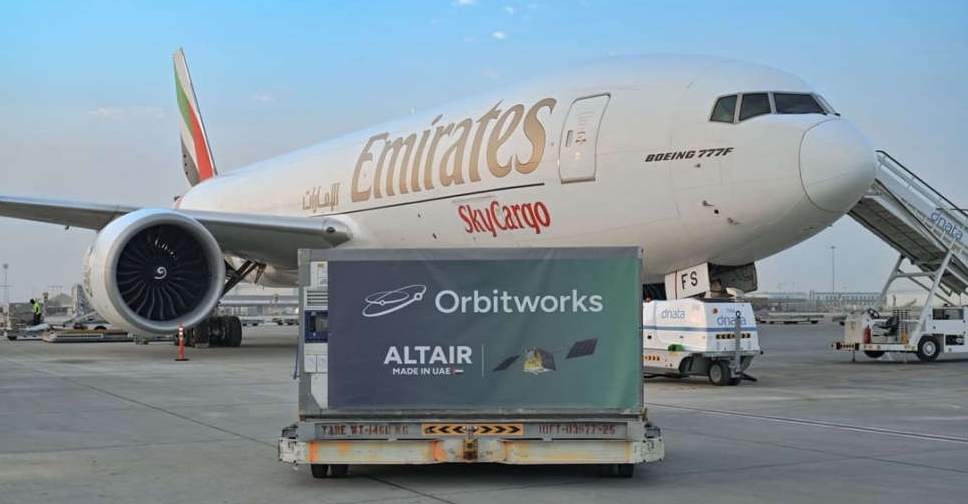 UAE-built AI satellite Altair-1 heads to US ahead of October launch
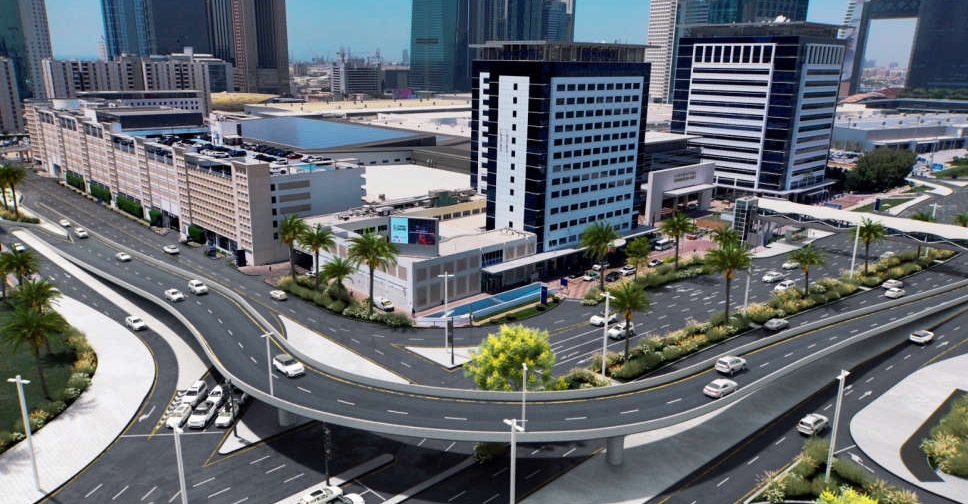 New bridge to cut travel time from DWTC to Al Mustaqbal Street
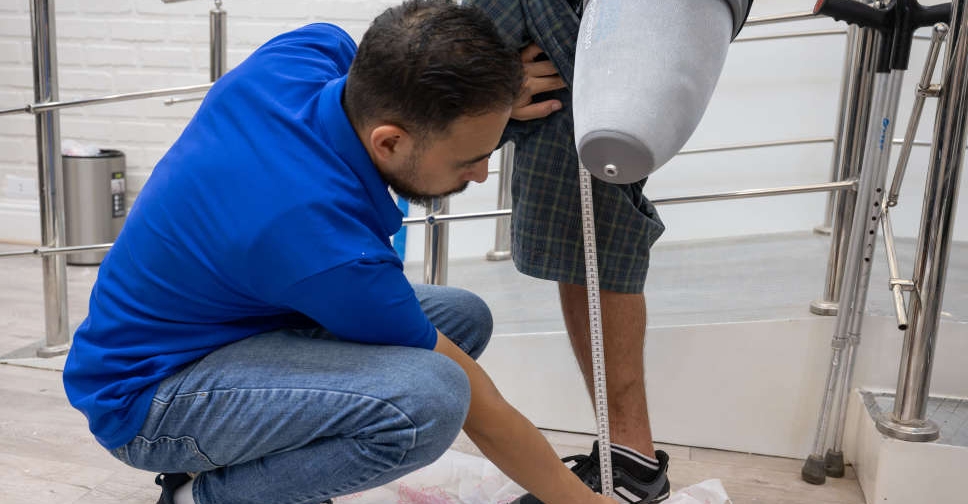 UAE Floating Hospital fits prosthetic limbs for 21 more Palestinian amputees
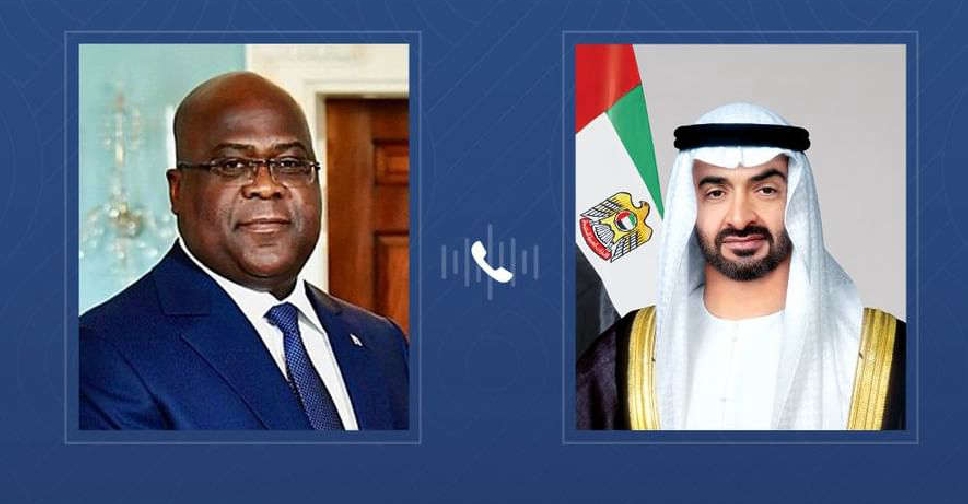 UAE, DR Congo Presidents discuss strengthening cooperation under CEPA
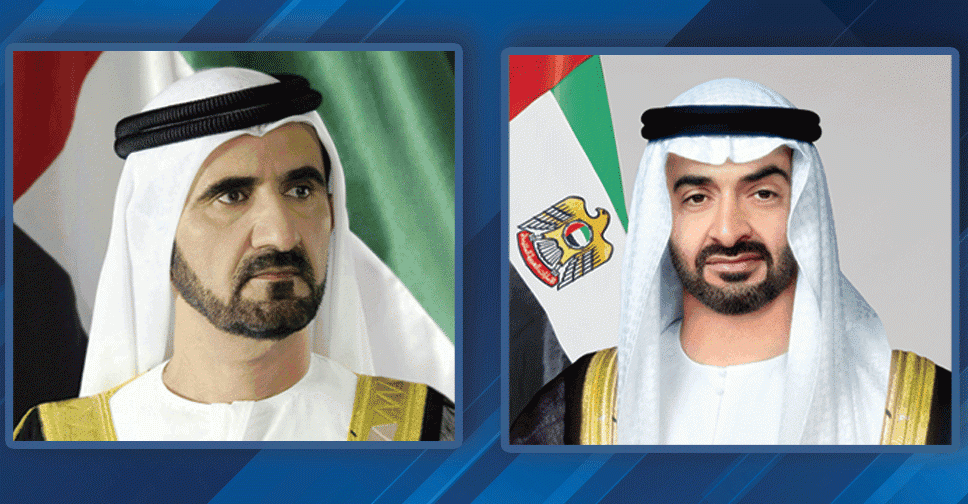 UAE leaders highlight youth's role central to nation's future
 UAE highlights flexible, skills-based education model at BRICS meeting
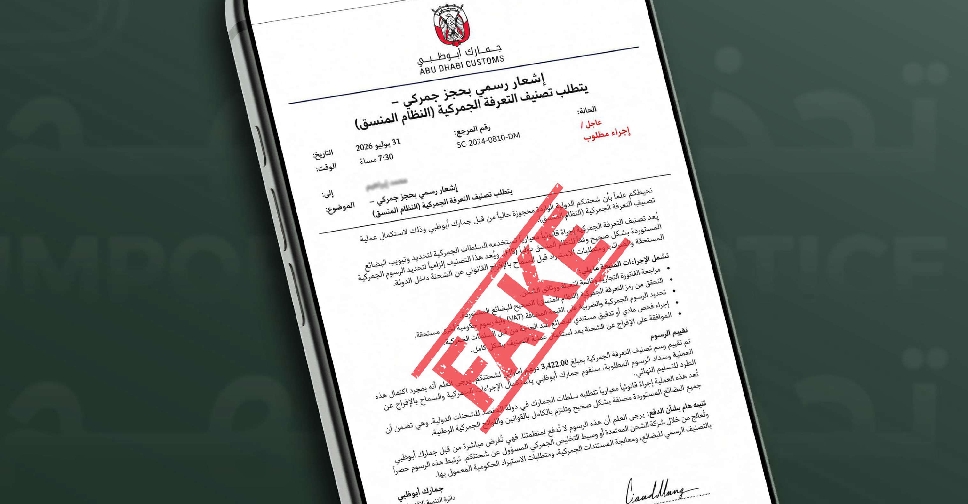 Abu Dhabi Customs raises alert over fraudulent messages
 UAE President meets Lulu founder Yusuff Ali during Abu Dhabi store visit
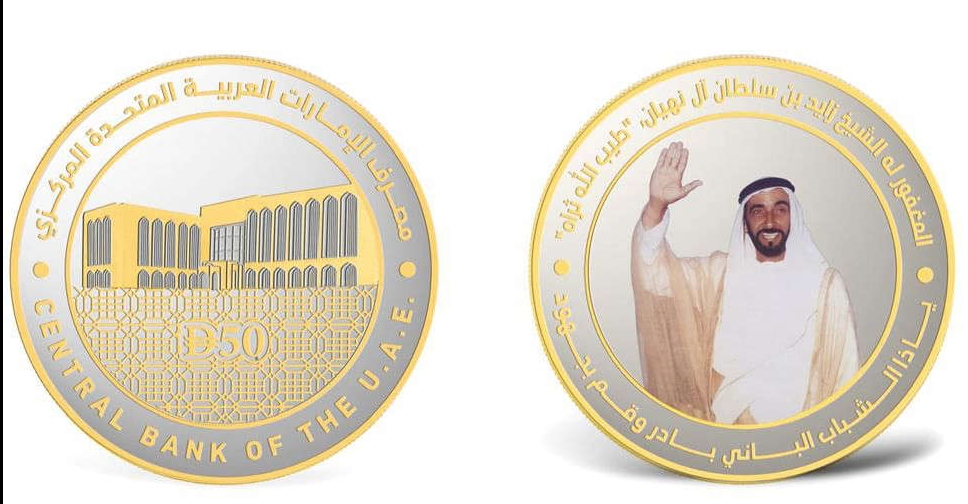 UAE issues special coins to mark contribution of youth in country's progress

