


Self-driving taxis will soon hit the roads in Abu Dhabi as part of a pilot project.
Five driverless vehicles will operate on Yas Island during the first phase of the trial, starting later this month.
The taxi service, named TXAI, will connect hotels, restaurants, shopping malls and other public facilities on the Island.
Bayanat, a subsidiary of the Artificial Intelligence firm G42, has teamed up with Abu Dhabi's Department of Municipalities and Transport (DMT) to implement the project.
Another major milestone for #G42’s company #Bayanat, which unveiled today its fleet of #autonomousvehicles under the brand #TXAI, marking the official launch of the UAE’s first driverless taxi program.
— G42 (@G42ai) November 24, 2021
Follow @Txai_Taxi to know more about the public rollout of the program. pic.twitter.com/oRthKu5cOt
The service at this point has been classified as Level 4 Autonomous Driving, whereby the vehicle can perform all driving tasks under most conditions without any human intervention.
Although the cars will be self-driving, a safety officer will occupy the driving seat during the first and second operational phases, to intervene in the event of any sudden occurrence.
"DMT is continuously working with its partners in Bayanat and Miral to test the safety of the vehicles, in addition to overseeing the operations to ensure that a state-of-the-art service is provided safely and distinctively, and to ensure compliance with the UAE traffic laws and regulations," said Falah Al Ahbabi, Chairman of DMT.
The service will be accessible from 8:00 am to 8:00 pm, through the "TXAI" app.


 UAE joins 7 nations in condemning Israel's West Bank land registration plan
 Dubai Holding, Nord Anglia Education partner to develop new premium schools
 UAE President posts special message on Lunar New Year
 New UAE, Bahrain fast-track travel system takes off
 Dubai adjusts paid parking, Salik hours for Ramadan
 Dubai's Al Jalila Foundation unveils cancer support fund
 Dubai Police crowned champions of UAE Rescue Challenge
 UAE discusses strengthening partnership with NATO
 Dubai Police urge vigilance against online begging
 H.H. Sheikh Hamdan pays tribute to UAE's royal photographer
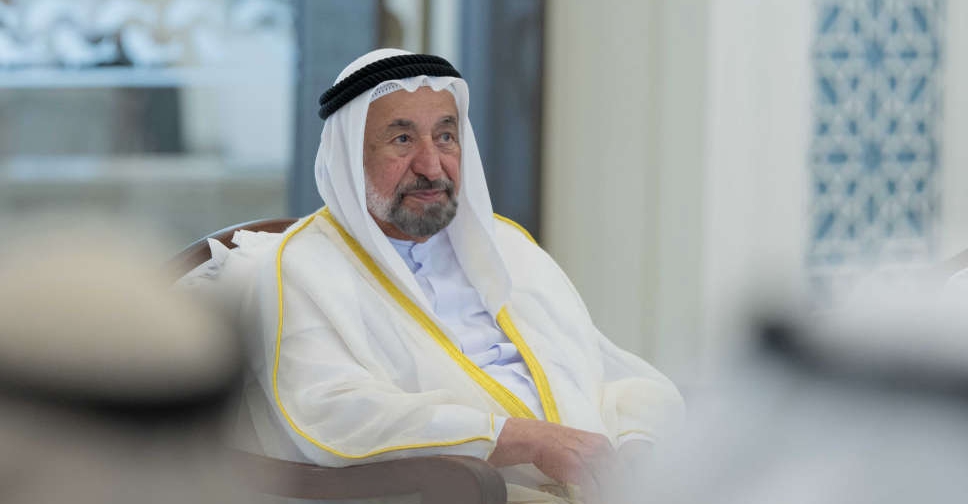 Sharjah approves over AED76 million in debt settlement for citizens
 H.H. Sheikh Hamdan awards Arab Hope Makers
 UAE looks into framework to regulate children's social media use
 UAE Ramadan moon-sighting committee to meet on Tuesday
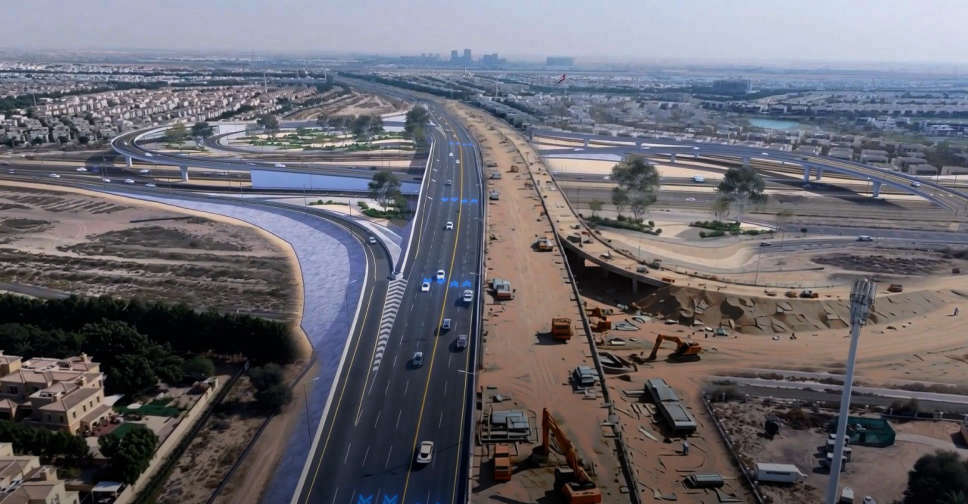 RTA opens second bridge at Al Qudra intersection
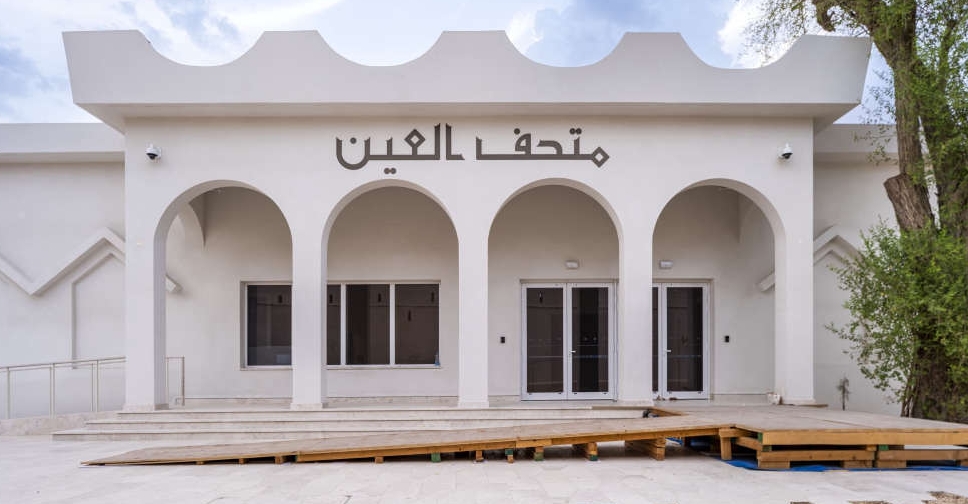 Abu Dhabi identifies over 40 modern heritage sites
 Distribution of aid from UAE's Saqr Humanitarian Ship begins in Gaza
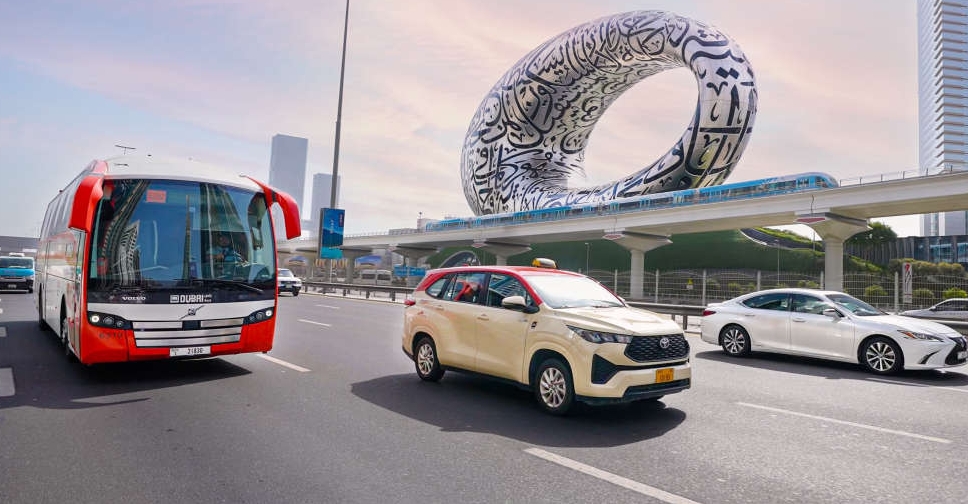 Dubai to expand bus and taxi lanes as public transport ridership grows by 7.4%
 Emir of Qatar welcomed by UAE President on visit to Abu Dhabi
 UAE, Egypt Foreign Ministers discuss Gaza peace plan

