
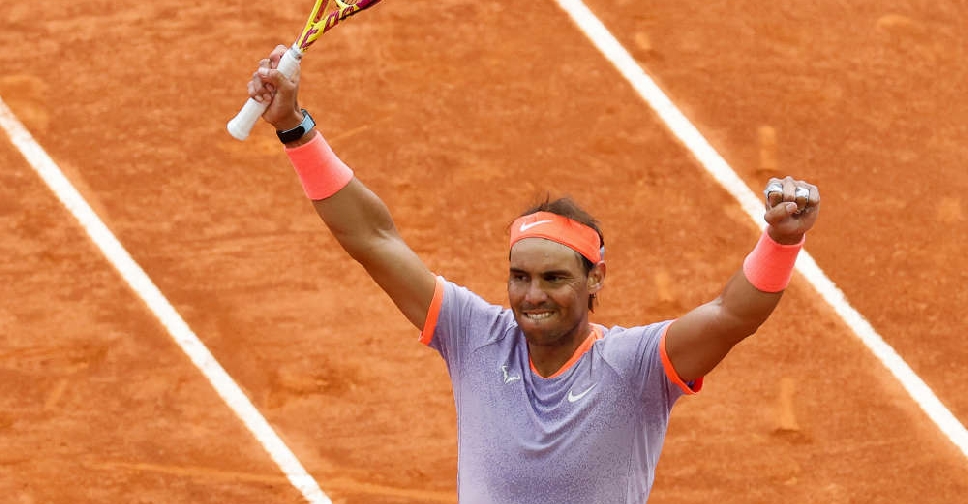
Rafael Nadal survived a second set wobble to defeat Pedro Cachin 6-1 6-7(5) 6-3 in the Madrid Open third round on Monday.
Nadal, who beat 10th seed Alex de Minaur in the second round, held his nerve as he was tested by the 91st-ranked Argentine, who won his maiden ATP title at the 2023 Swiss Open.
"Some moments good, some moments not good, but I found a way," the 37-year-old Nadal said.
Cachin struggled against his powerful forehand in the first set as the Spaniard broke twice to take a 5-1 lead before the match was temporarily paused with a spectator feeling unwell.
When play resumed, the five-times Madrid champion broke again to win the set.
Cachin started the second on a better note, taking a 4-1 lead helped by some fine cross-court backhands and, though Nadal broke twice to make it 5-5, he claimed the set in the tiebreak.
Both players broke early in the third, which stood at 2-2, but local favourite Nadal then broke twice more to emerge as the winner with the fans giving him a standing ovation.
"Day by day... playing in front of this crowd means everything to me," said the 22-times Grand Slam champion.
Nadal next faces Czech Jiri Lehecka, who beat Brazilian qualifier Thiago Monteiro 6-4 7-6(7) to reach the fourth round.

 Dubai Police reminds football fans of stadium rules ahead of new season
 Bangladesh humble Australia on day one of Darwin Test
 Swiatek reaches her first final of season at Canadian Open
 PSG retain UEFA Super Cup with win over Aston Villa
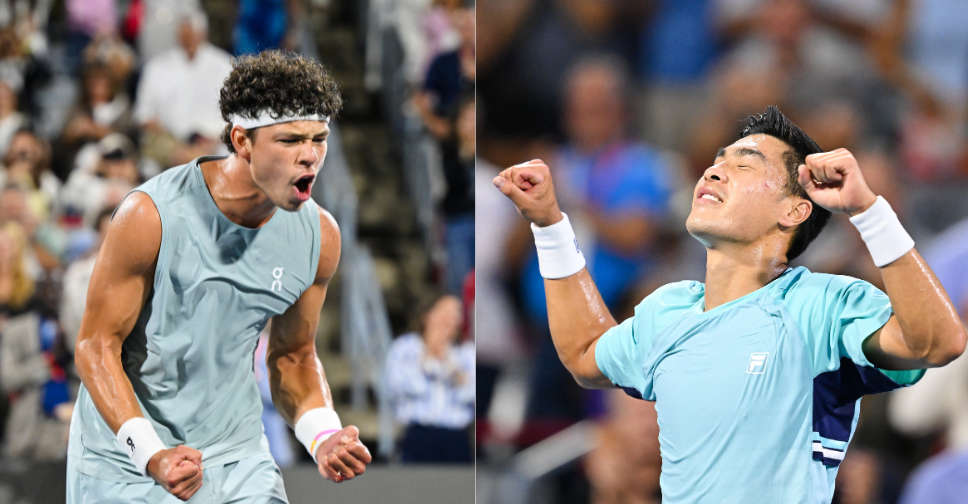 Americans Shelton, Nakashima to meet in Canadian Open final