

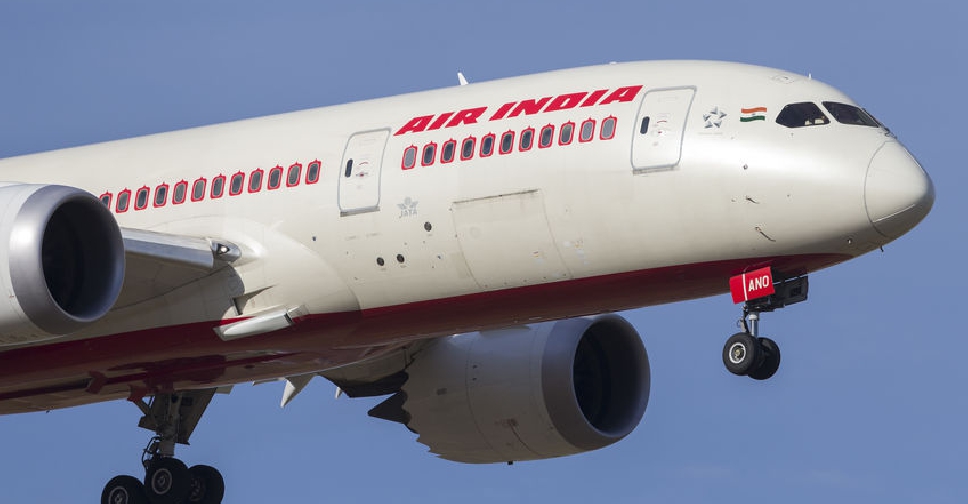
India will resume scheduled commercial international flights to and from the country after a two-year gap due to the pandemic.
According to the country's Ministry of Civil Aviation, the international operations will start from March 27 and will be subject to "strict adherence to the Ministry of Health and Family Welfare guidelines for international travel".
Special flights have been operating since July, 2020, between India and 37 countries under air bubble arrangements. These include Afghanistan, Australia, Bahrain, Bangladesh, Bhutan, Canada, Ethiopia, Finland, France, Germany, Iraq, Japan, Kazakhstan, Kenya, Kuwait, Maldives, Mauritius, Nepal, Netherlands, Nigeria, Oman, Qatar, Russia, Rwanda, Saudi Arabia, Seychelles, Singapore, Sri Lanka, Switzerland, Tanzania, Ukraine, United Arab Emirates, United Kingdom, US and Uzbekistan.
The aviation ministry had, in November, announced plans to resume regular international flights starting December 15 but rescinded that order due to the rise in Omicron cases. The Director-General of Civil Aviation then extended the ban on February 28.
International flights were first suspended in March 2020 after a nationwide lockdown was imposed to tackle the first wave of the coronavirus pandemic.
Scheduled international flight services to resume from March 27 after two years: Aviation ministry officials
— Press Trust of India (@PTI_News) March 8, 2022

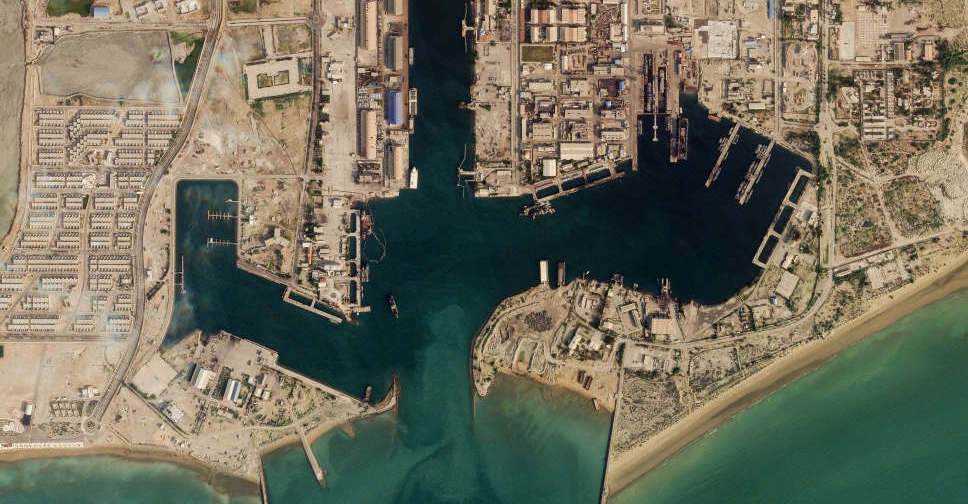 US-sanctioned tankers pass Strait of Hormuz on first day of US blockade
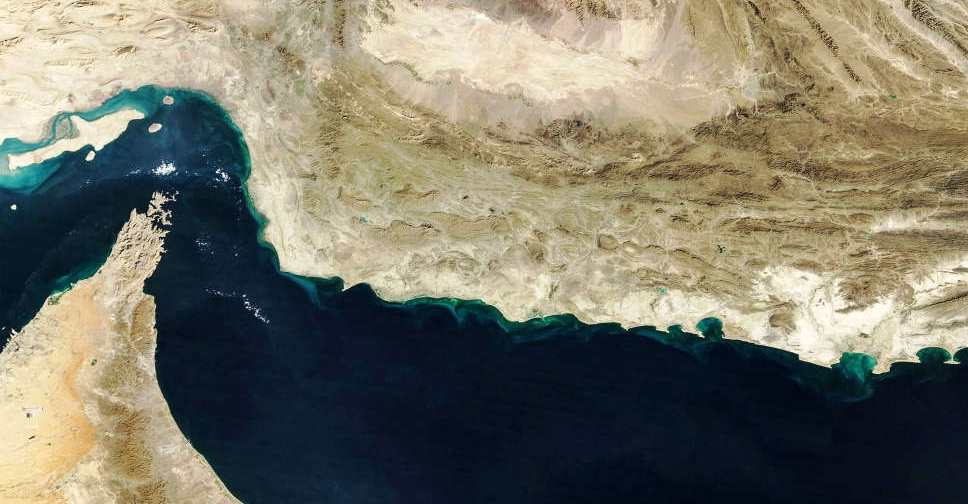 US begins Iran port blockade, oil prices ease on hopes for dialogue
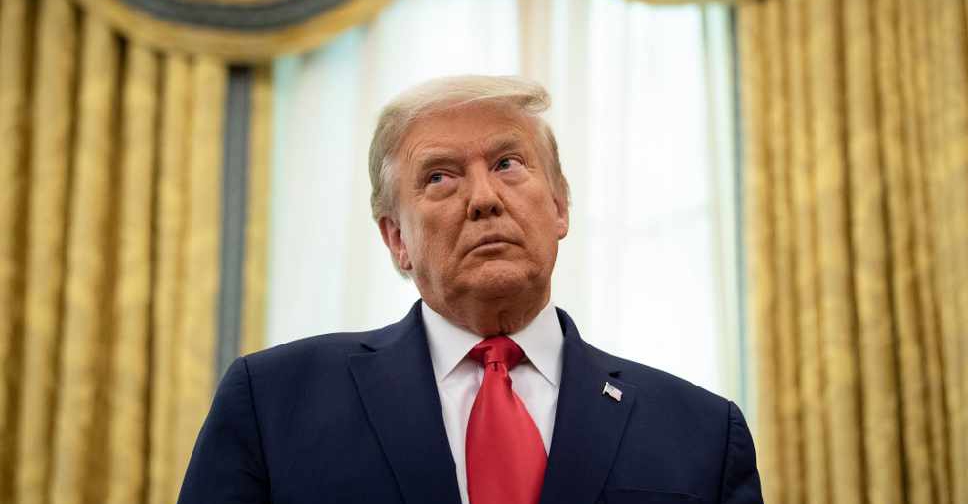 Trump says Iranian 'fast-attack' ships that come close to US blockade will be eliminated
 New trial over football legend Maradona's death begins in Argentina
 Germany's Merz hosts Ukraine's Zelenskyy for talks in Berlin