


The UAE has introduced changes to its laws governing the care of children of unknown parentage, expanding custody options and strengthening child protection measures.
The amendments, set out in Federal Decree-Law No. 12 of 2025, reaffirm that the “best interests of the child” must guide all decisions related to care, custody and upbringing.
Officials say the changes are designed to ensure children grow up in a safe, stable and supportive family environment that meets their psychological, educational, health and social needs.
Under the revised law, custody may be granted to families living in the UAE, provided both spouses apply jointly and are at least 25 years old. The government says the age requirement is intended to ensure maturity, responsibility and the ability to provide long-term stability.
For the first time, eligible women living in the UAE may also be granted custody. Applicants must be at least 30 years old and financially able to support both themselves and the child. Authorities say the move widens care options while recognising women’s role in family and community life.
Detailed requirements for residency and caregiving standards will be set out in executive regulations, ensuring that custodial families meet approved standards and provide appropriate levels of care.
The law also introduces clearer responsibilities for custodial families and individuals, including oversight of education, healthcare and psychological wellbeing, while safeguarding the child’s identity and privacy.
A specialised committee will carry out regular monitoring and evaluations to ensure standards are maintained. If custody conditions are breached, authorities may remove the child from the home. In less serious cases, families may be required to follow a corrective plan within a specified timeframe.
The government says the reforms are part of a broader effort to modernise child welfare legislation and strengthen social protection, ensuring children of unknown parentage receive dignified care and equal opportunities to grow and thrive.
Officials added that the changes reflect the UAE’s wider commitment to compassion, family empowerment and long-term social development.

 Dubai Fitness Challenge returns for another exciting edition
 UAE President, King of Bahrain discuss stronger ties and regional stability
 New bridge to cut travel time from DWTC to Al Mustaqbal Street
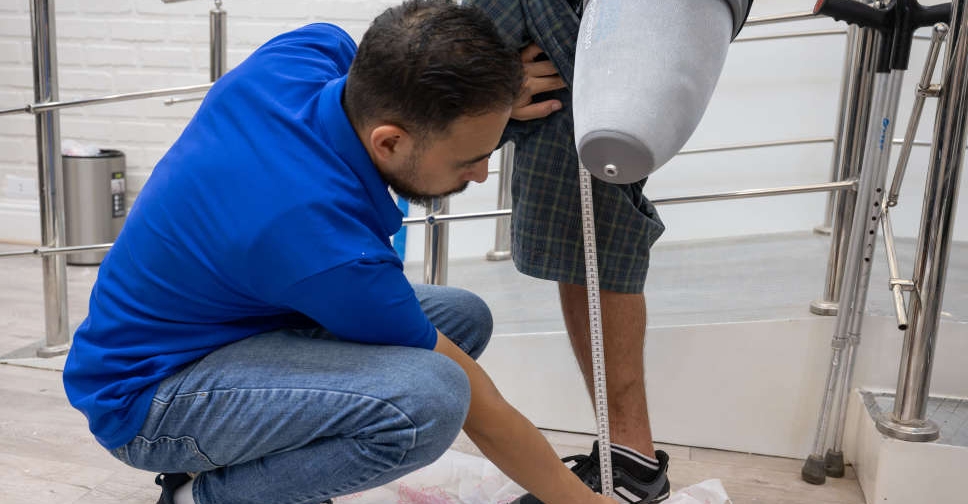 UAE Floating Hospital fits prosthetic limbs for 21 more Palestinian amputees
 UAE, DR Congo Presidents discuss strengthening cooperation under CEPA
 UAE leaders highlight youth's role central to nation's future
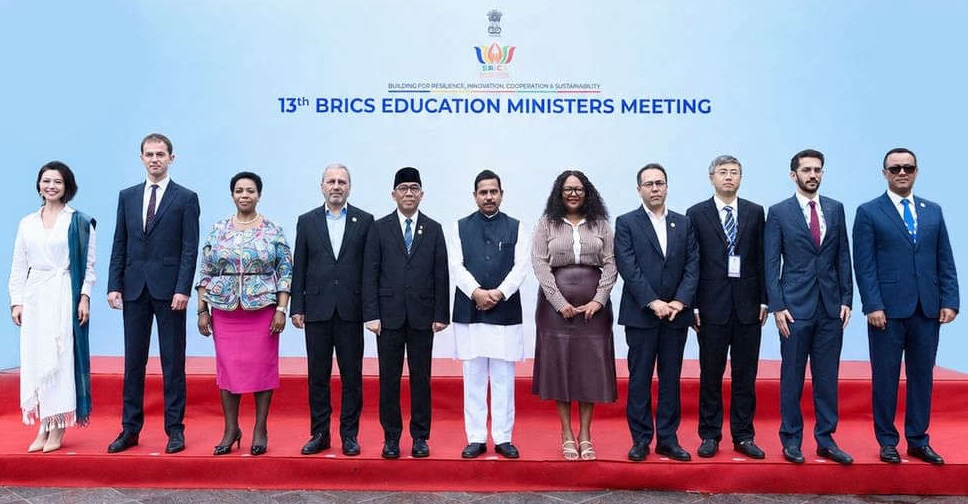 UAE highlights flexible, skills-based education model at BRICS meeting
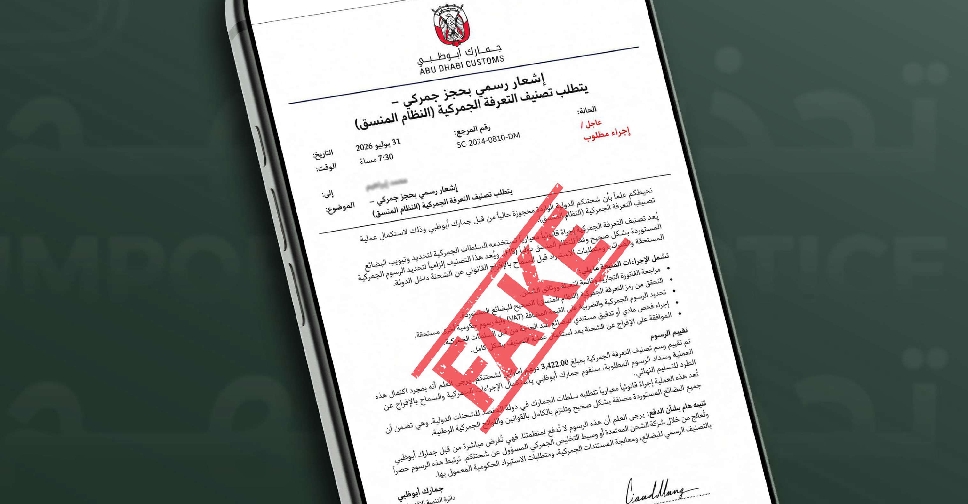 Abu Dhabi Customs raises alert over fraudulent messages
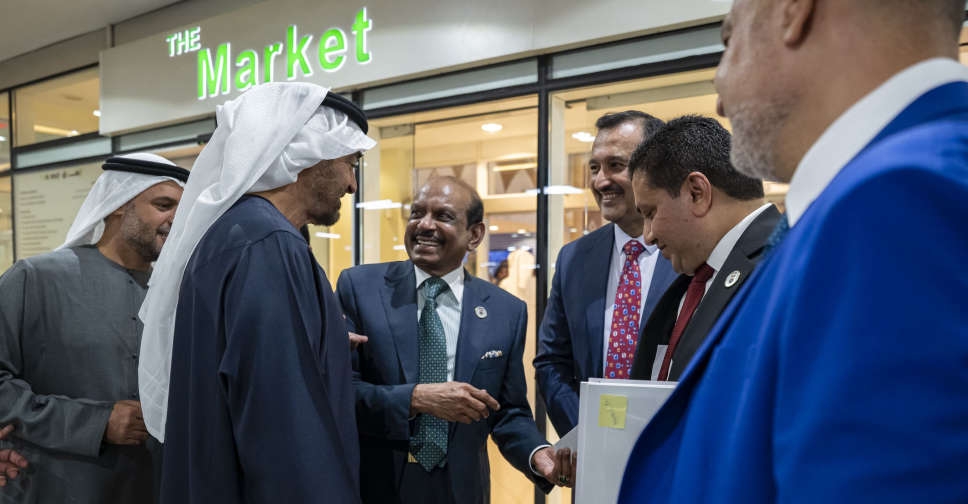 UAE President meets Lulu founder Yusuff Ali during Abu Dhabi store visit
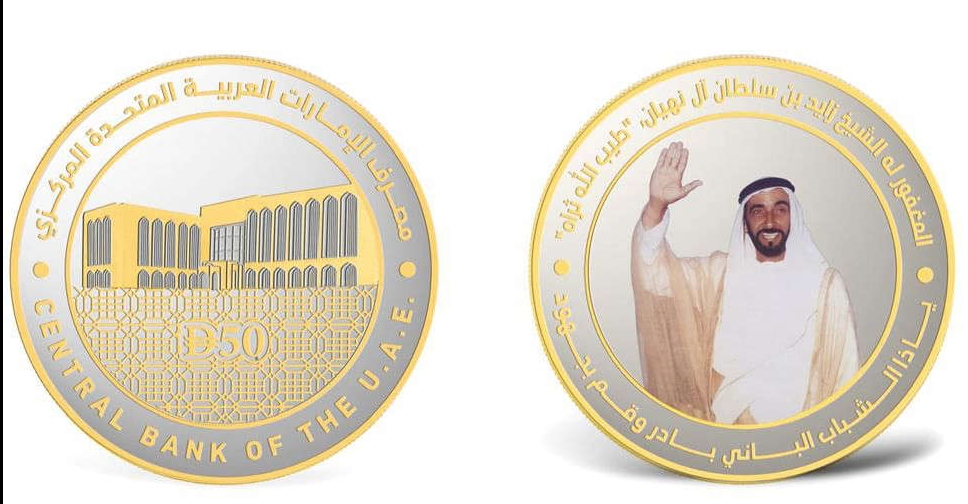 UAE issues special coins to mark contribution of youth in country's progress
 Sharjah Ruler approves 470 scholarships for new academic year
 UAE continues mobile health clinic operations in Gaza
 UAE expands youth empowerment efforts across key sectors
 UAE authorities seize 3.5 million non-compliant excise goods
 Gargash highlights need to end region's 'indefinite' state
 UAE pays out AED512 million under unemployment insurance scheme
 UAE expresses support for Colombia after deadly earthquake
 UAE thwarts cyberattacks targeting aviation, energy and education sectors
 UAE's post-pandemic hiring recovery among world’s strongest
 UAE Minister of State holds talks with President of Zimbabwe

