

The United Nations Environment Programme and concerned officials have been running meetings in Dubai in an attempt to get rid of Hydrofluorocarbons also known as HFCs. HFCs which are found in products such as air conditioners and refrigerators, pose a bigger risk than carbon dioxide or methane as they cause more damage to the planet. Durwood Zaelke, President of the Institute for Governance and Sustainable Development spoke with ARN about the type of impact, phasing out these artificial chemicals would have on the environment.
Listen
As the five day meetings wrap up today, Zaelke adds that experts and officials are hoping to leave Dubai with at least an agreement in place on the elimination of HFCs.
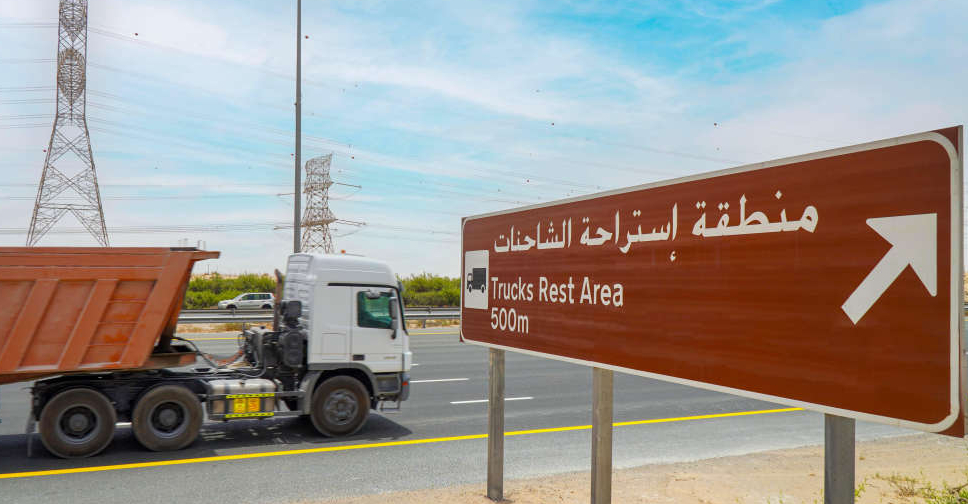 Dubai to ban trucks on key roads during 'peak hours'
 Dubai Police issues warning after driver passes out and crashes car
 Sheikh Abdullah holds high-level meetings with global leaders in New York
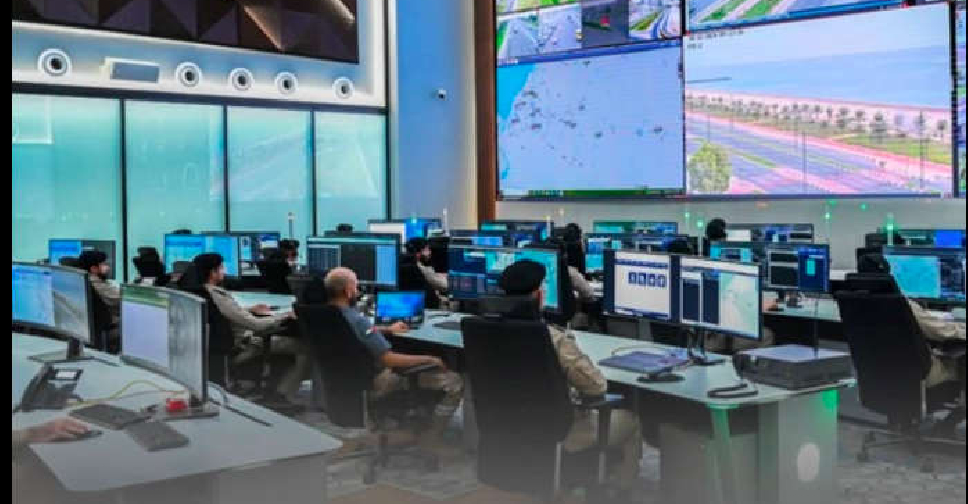 Sharjah Police recovers stolen car within record 2 hours
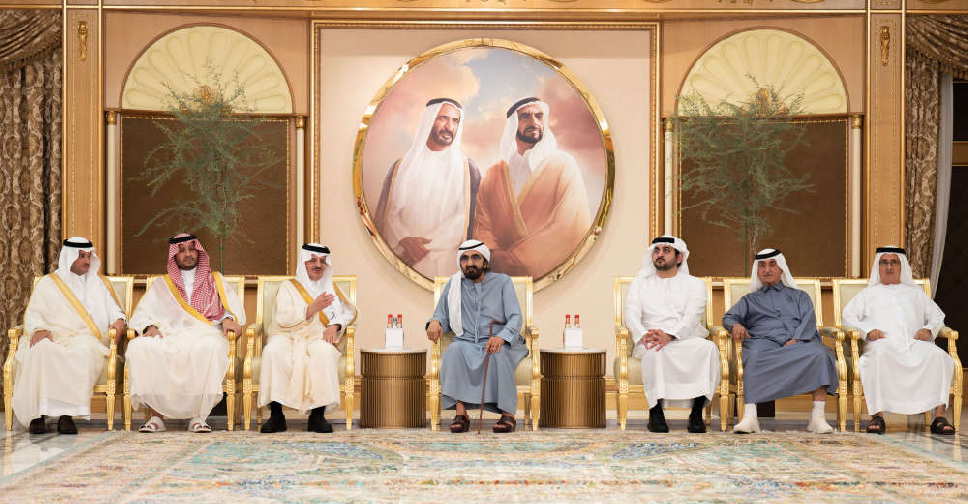 High-level Saudi delegation offers condolences to H.H. Sheikh Mohammed
 Sharjah Police refutes reports of murder victim's family going missing
 UAE condemns attacks in Ethiopia, urges de-escalation
 UAE strengthens focus on early childhood, family wellbeing
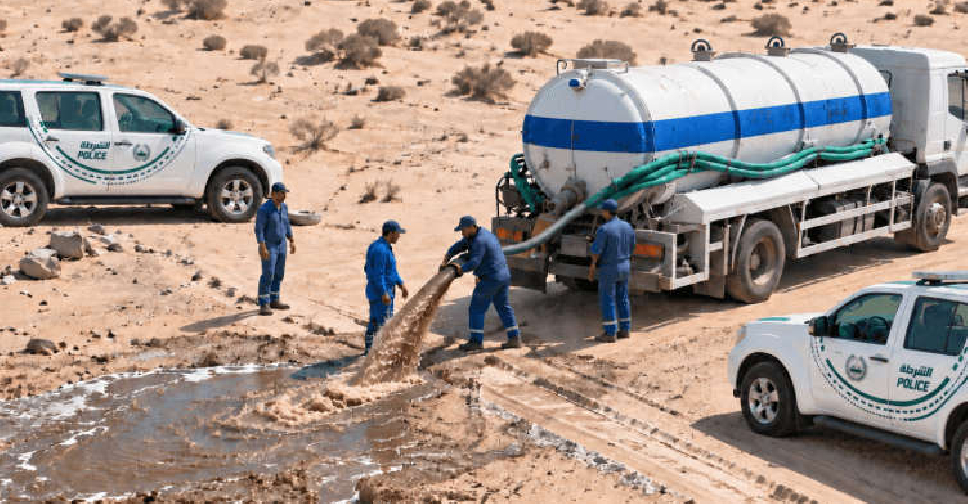 17 tanks seized in Dubai for illegal waste disposal in first half of 2026
 Dubai Municipality records over 2,000 violations in residential areas
 UAE announces suspension of Iranian airlines' flights
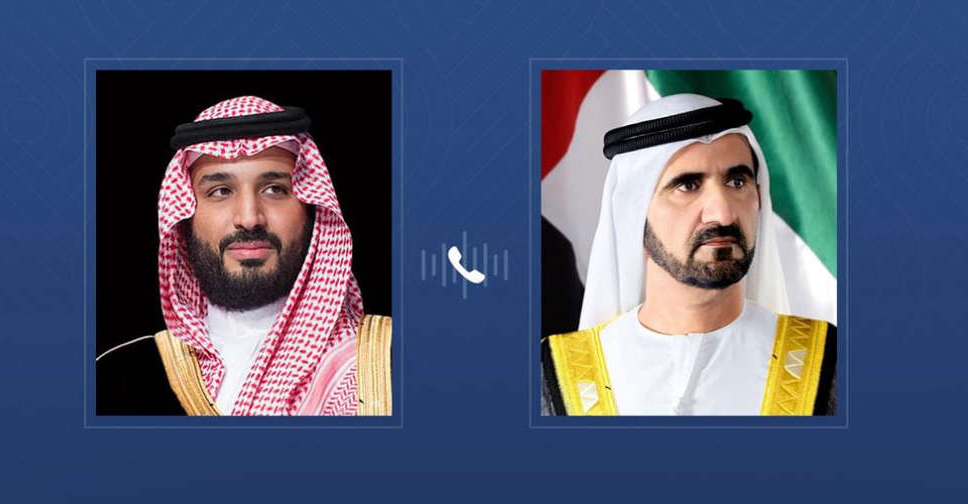 Saudi Crown Prince offers condolences to H.H. Sheikh Mohammed
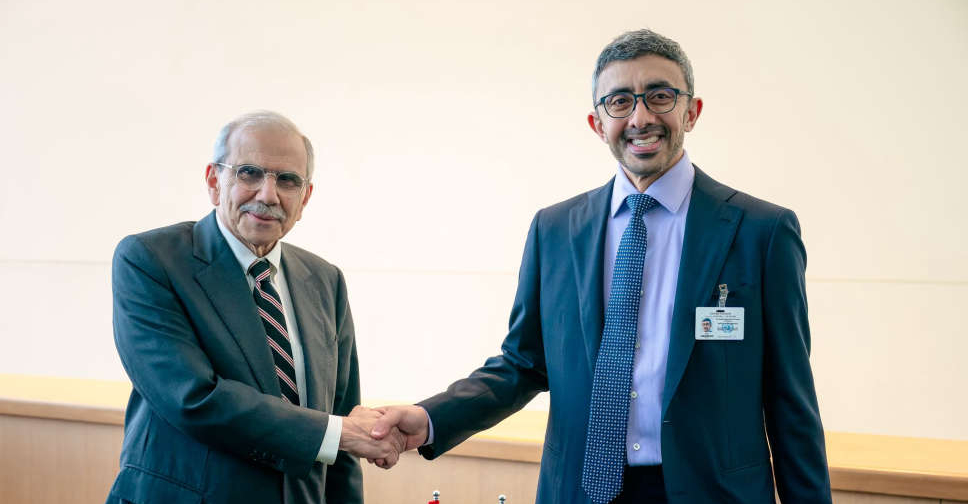 UAE to equip one million Lebanese in AI skills under new partnership
 10 million meals for Gaza in tribute to late Sheikh Ahmed bin Rashid
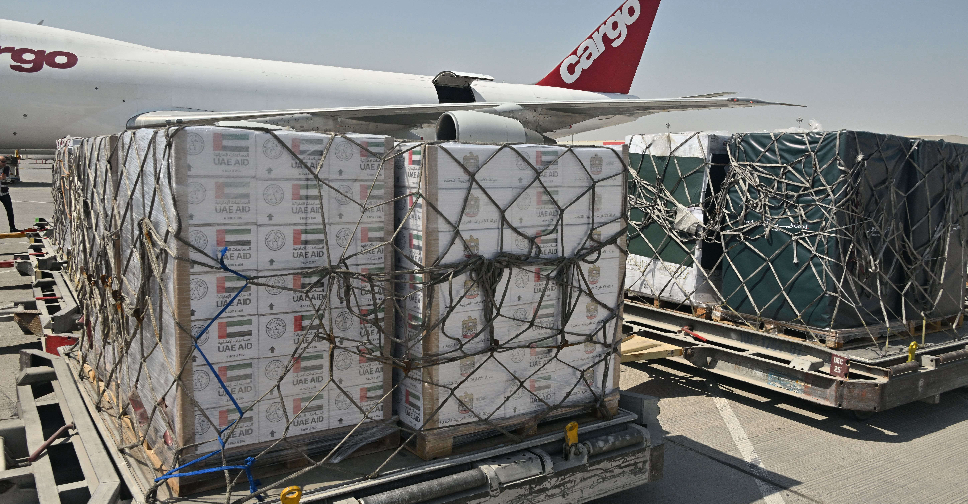 UAE steps up winter relief efforts for Gaza families
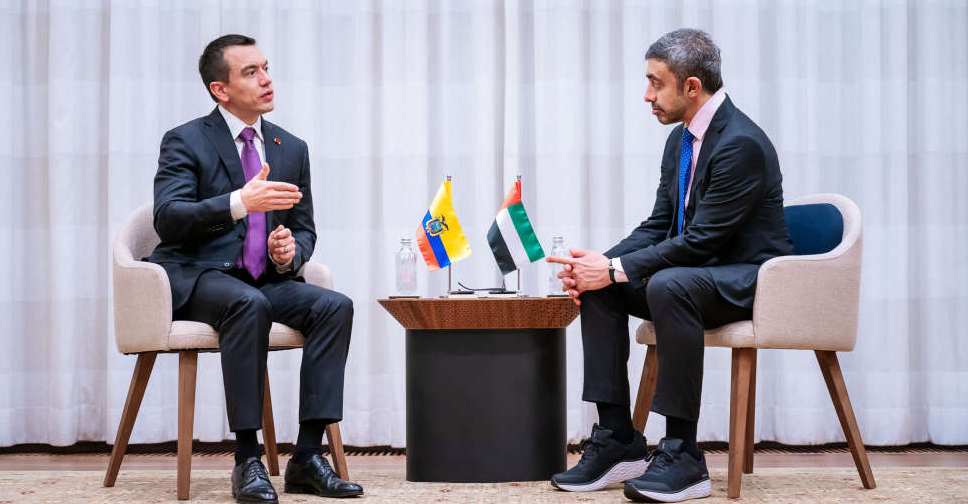 Sheikh Abdullah meets President of Ecuador on UNGA81 sidelines
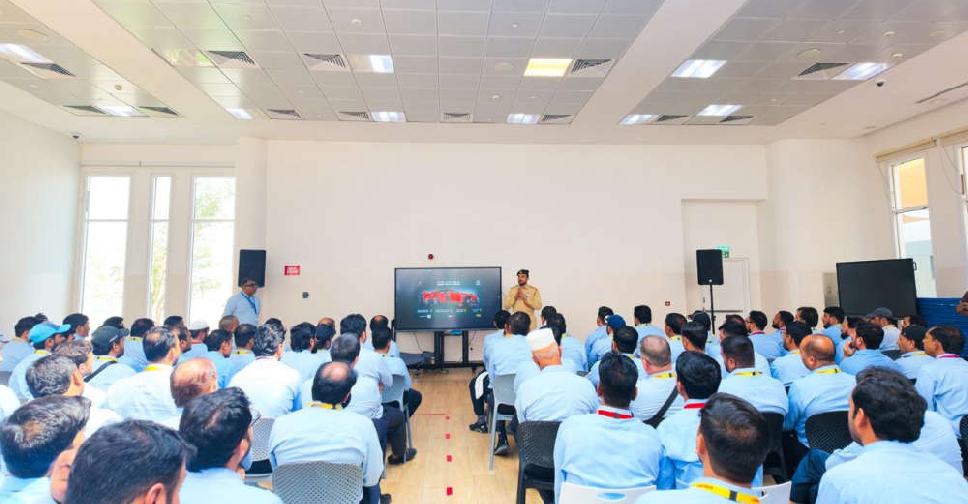 Dubai Police trains school bus drivers and supervisors on student safety
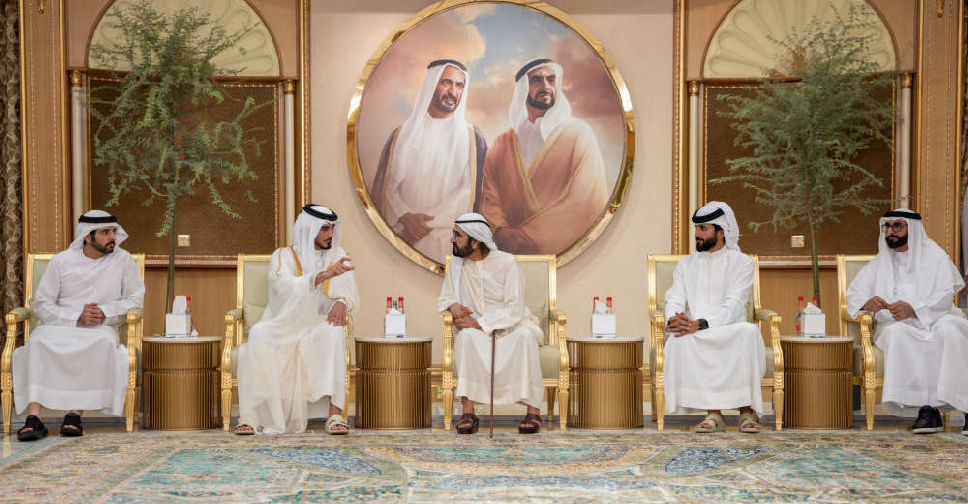 H.H. Sheikh Mohammed receives condolences on passing of Sheikh Ahmed
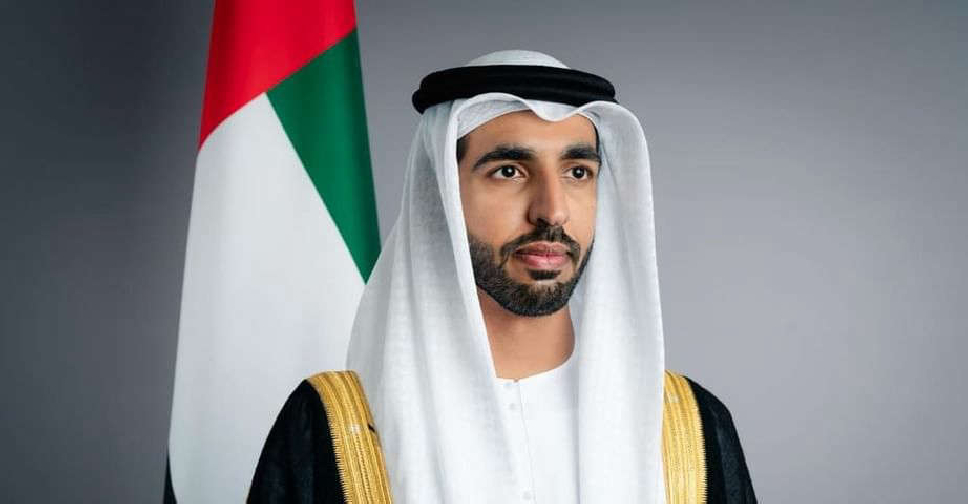 UAE welcomes US statement on Sudan peace efforts

