

A programme to monitor plastic pollution in the sea and coastal areas of the country has been launched by the Ministry of Climate Change and Environment (MoCCAE).
The study aims to identify the types of waste reaching the country's waters and then implement measures to limit its environmental impact, in line with its efforts to preserve marine resources, seawater quality, and beach cleanliness within the general framework of the Year of Sustainability.
A series of scientific studies will be conducted as part of the programme to enhance efforts to reduce plastic waste, using a wide range of methods to measure the quantities and sizes of plastic waste in the country’s seawater and beaches.
The study aims to identify the types of plastic pollution in the country's waters and then implement the necessary precautionary measures to ensure the safety and health of humans and marine life. Additionally, it highlights the importance of adopting responsible consumption within society to minimise plastic waste and avoid disposing of it in seawater and the environment in general.
Dr. Mohamed Al Hammadi, Assistant Under-Secretary for Biodiversity and Marine Life Sector at the Ministry of Climate Change and Environment, said, "The programme contributes to the United Arab Emirate’s achieving the 14th Sustainable Development Goal set by the United Nations, which aims to conserve the oceans, seas, and marine resources and use them sustainably for achieving sustainable development."
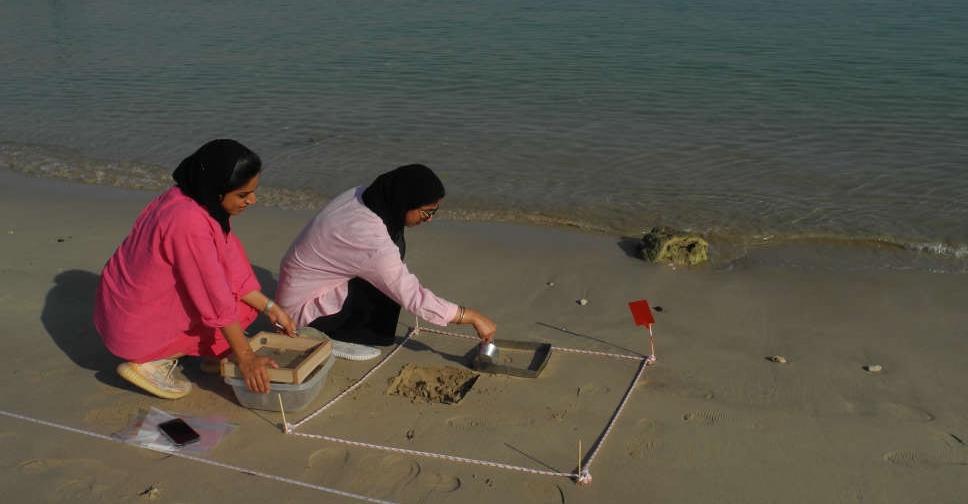
As part of the programme to monitor plastic pollution in the country’s water and beaches, a team from the Marine Environment Research Centre affiliated with the Ministry carried out a study to monitor plastic waste in the marine and coastal environments of the UAE.
Samples were collected from nine beaches along the country’s coastal area to measure the amount of plastic waste. These samples included beach waste, macroplastics, and microplastics.
The seawater samples were collected from 14 stations along the country's coastlines to measure the quantity of microplastics based on the topography and terrain of coastal areas and the dynamics of marine currents.
The collected beach waste was classified according to its type and weight following the United Nations Environment Program and the Intergovernmental Oceanographic Commission (UNEP-GESAMP) classification system. The necessary tests were conducted at the Marine Environment Research Centre laboratories.
Plastic waste is regarded as one of the most challenging environmental problems as it impacts water quality and soil and threatens the survival of terrestrial and marine organisms and human life. Many countries worldwide are working to reduce plastic production to alleviate pressure on the ecosystem.


 Dubai boosts status as global healthcare hub with strong 2025 growth
 UAE President, US Senator discuss strategic ties
 H.H. Sheikh Mohammed pardons 1,856 prisoners
 UAE President pardons 1,440 prisoners
 Dubai exempts 316 citizens from housing loan repayments
 Here's how you can contribute to UAE's 'Edge of Life' campaign
 Dubai Holding unveils 3rd edition of 'Gift it Forward' Ramadan initiative
 UAE Floating Hospital offers hope to Palestinian child with rare genetic condition
 UAE leaders share Ramadan greetings on social media
 UAE confirms first day of Ramadan
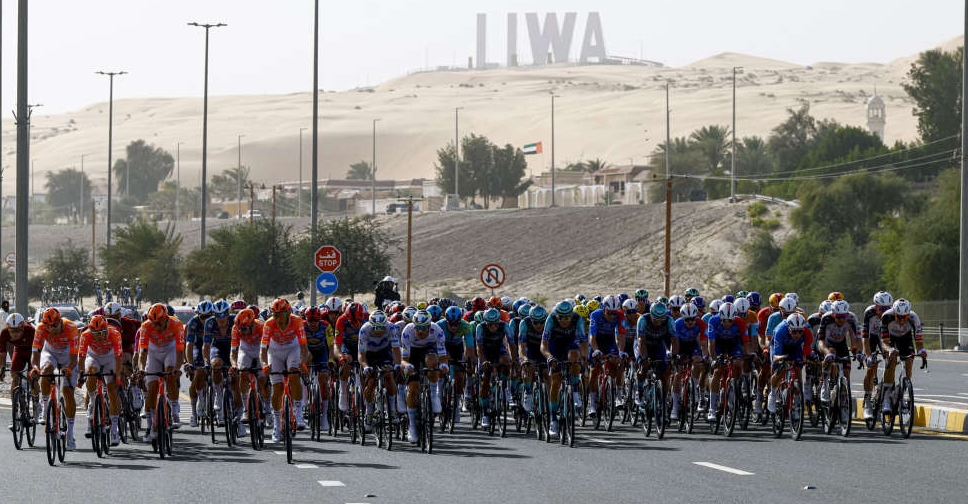 UAE Tour 2026 announces road closures for Stage 3 race
 Dubai adjusts paid parking, Salik hours for Ramadan
 Dubai expands road network with new Al Rowaiyah corridor
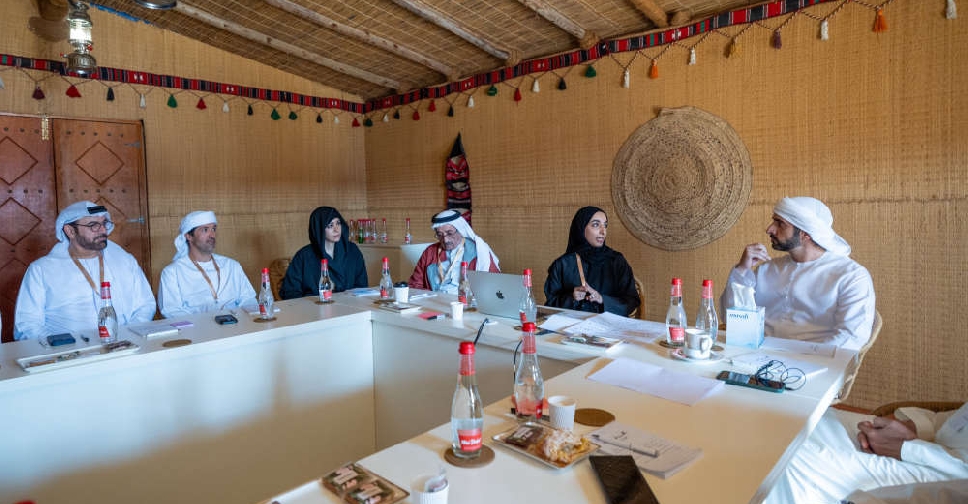 Dubai Camp drives next phase of government innovation
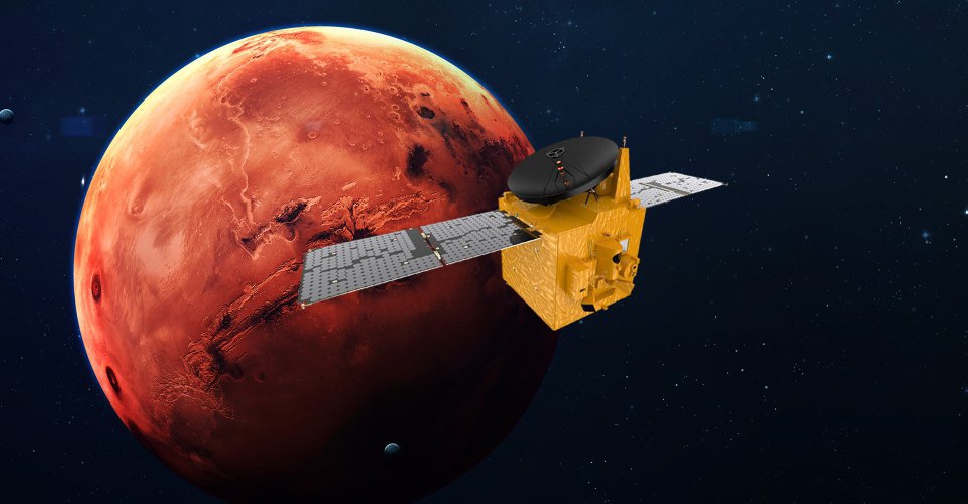 UAE extends Emirates Mars Mission until 2028
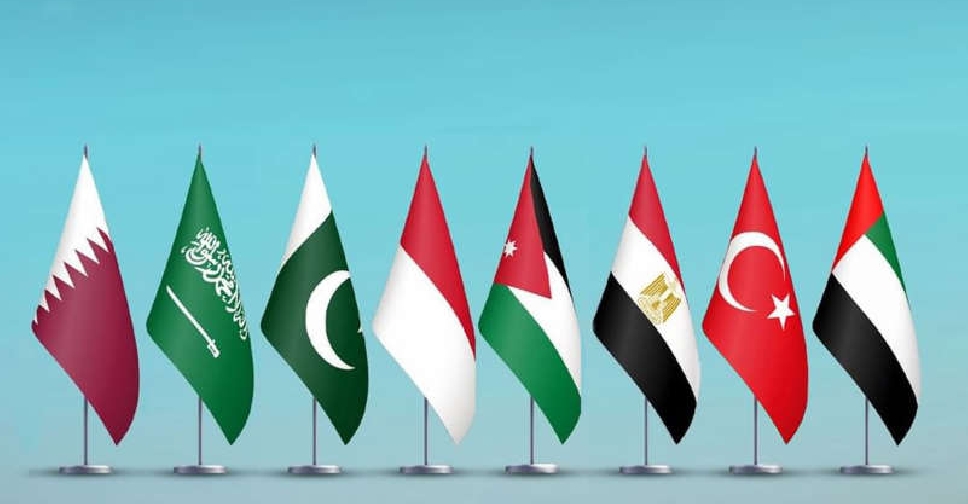 UAE joins 7 nations in condemning Israel's West Bank land registration plan
 Dubai Holding, Nord Anglia Education partner to develop new premium schools
 New UAE, Bahrain fast-track travel system takes off
 Dubai's Al Jalila Foundation unveils cancer support fund

