

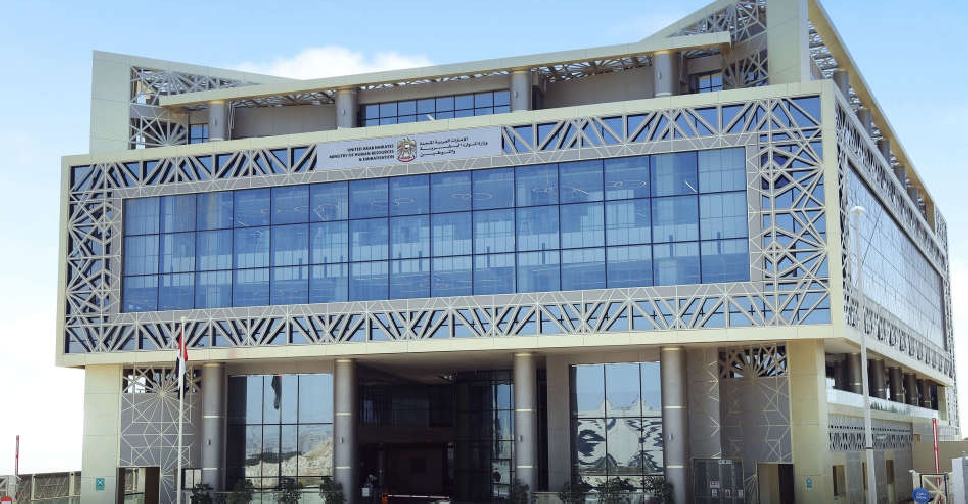
A private firm in the UAE has been fined AED 100,000 for "fraudulently evading" the Emiratisation target by manipulating its employee numbers.
During inspections, teams from the Ministry of Human Resources and Emiratisation (MoHRE) found that the employer reduced the workforce of its company from 68 to below the targetted 50-employee mark so he could "circumvent the Emiratisation target".
According to the law, companies with more than 50 employees must increase their Emiratisation quota to two per cent for skilled jobs every year.
The ministry said the company reduced its manpower by cancelling work permits for some of its employees and reissuing new ones under another company, belonging to the owner.
It has instructed the firm to ensure it meets its actual Emiratisation target by July 7 to avoid any more penalities.
The Ministry of Human Resources and Emiratisation (MoHRE) imposed a AED100,000 fine on a private sector company for evading Emiratisation targets.
— وزارة الموارد البشرية والتوطين (@MOHRE_UAE) June 20, 2023
The Ministry's inspection teams confirmed that the number of employees were reduced from 68 to less than 50 by transferring them to…
Firms caught violating the Emiratisation target a second time will face a fine of AED 300,000 and AED 500,000 for the third violation, the ministry reminded.
As of July 8, companies found non-compliant with the Emiratisation target will face an AED42,000 fine for each Emirati they have not employed.
The ministry stressed it would deal "firmly with any company proven to have committed fraud, taking all necessary measures against it".


 Road closures announced for Stage 4 of UAE Tour 2026
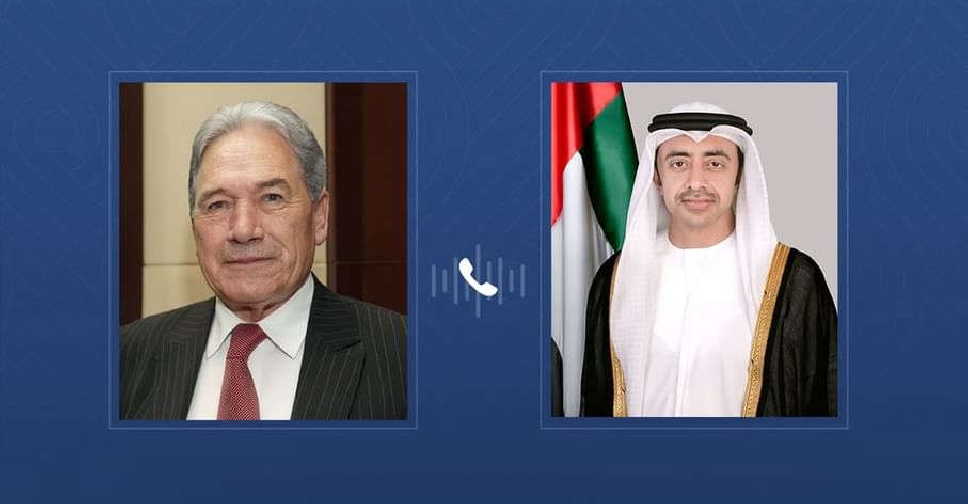 UAE, New Zealand FMs discuss strengthening partnership ties
 UAE announces partial road closure on Emirates Road
 Dubai boosts status as global healthcare hub with strong 2025 growth
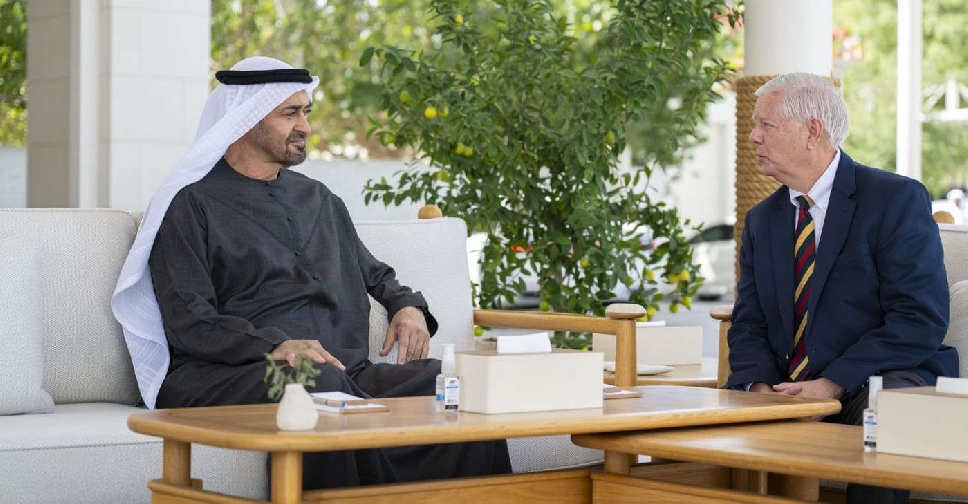 UAE President, US Senator discuss strategic ties
 H.H. Sheikh Mohammed pardons 1,856 prisoners
 UAE President pardons 1,440 prisoners
 Dubai exempts 316 citizens from housing loan repayments
 Here's how you can contribute to UAE's 'Edge of Life' campaign
 Dubai Holding unveils 3rd edition of 'Gift it Forward' Ramadan initiative
 UAE Floating Hospital offers hope to Palestinian child with rare genetic condition
 UAE leaders share Ramadan greetings on social media
 UAE confirms first day of Ramadan
 UAE Tour 2026 announces road closures for Stage 3 race
 Dubai adjusts paid parking, Salik hours for Ramadan
 Dubai expands road network with new Al Rowaiyah corridor
 Dubai Camp drives next phase of government innovation
 UAE extends Emirates Mars Mission until 2028
 UAE joins 7 nations in condemning Israel's West Bank land registration plan
 Dubai Holding, Nord Anglia Education partner to develop new premium schools

