

The National Emergency Crisis and Disaster Management Authority (NCEMA) has updated the guidelines for the discharge and de-isolation of people with COVID-19, or their contacts.
Patients who've been home quarantined, can be released between 10 and 20 days since the onset of symptoms.
That's if they've been symptom-free without fever-reducing medication for at least 48 hours, and any respiratory issues have been cleared or reduced to mild.
They must also get two negative respiratory specimens tests within 24 hours of each other.
A 10-day quarantine will apply to asymptomatic cases and those with mild and moderate symptoms. In fact, the latter must be fever-free for 24 to 48 hours without medication and show significant improvement in respiratory symptoms before they are given the all-clear.
NCEMA has also defined people who fall under the "first contact" category and their quarantine protocols.
Anyone who has interacted with COVID-19 patients two days before they showed symptoms or up to 14 days after they tested positive, or those who've been within 2 metres of a positive case for 15 minutes are termed "first contacts". That's not all. Those who've been in direct physical contact with a positive case, or living in the same house as a patient, or treating patients without proper personal protective equipment also fall within this category.
According to the guidelines, they should self-monitor for any respiratory symptoms for 14 days, even if their results are negative. They must also follow all the quarantine rules if they start showing any symptoms and test again.
In addition, these rules apply to "first contacts" who have been vaccinated.


 UAE-Sweden joint operation targets organised crime network
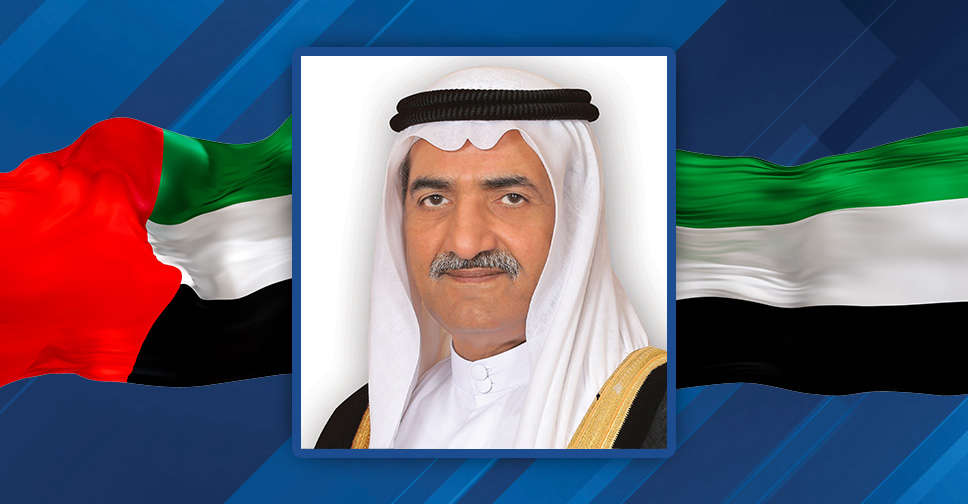 H.H. Sheikh Hamad: 52 years of progress and achievement
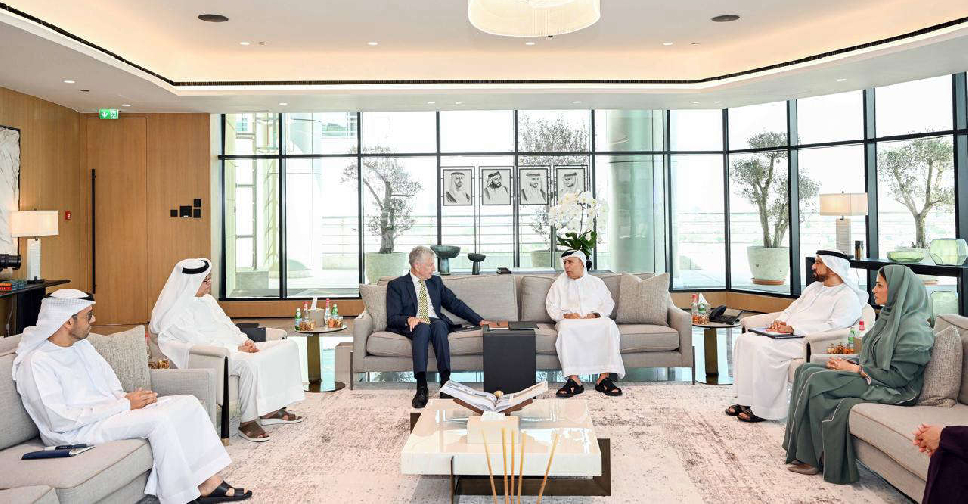 RTA and Dubai Airports advance plans for seamless airport connectivity
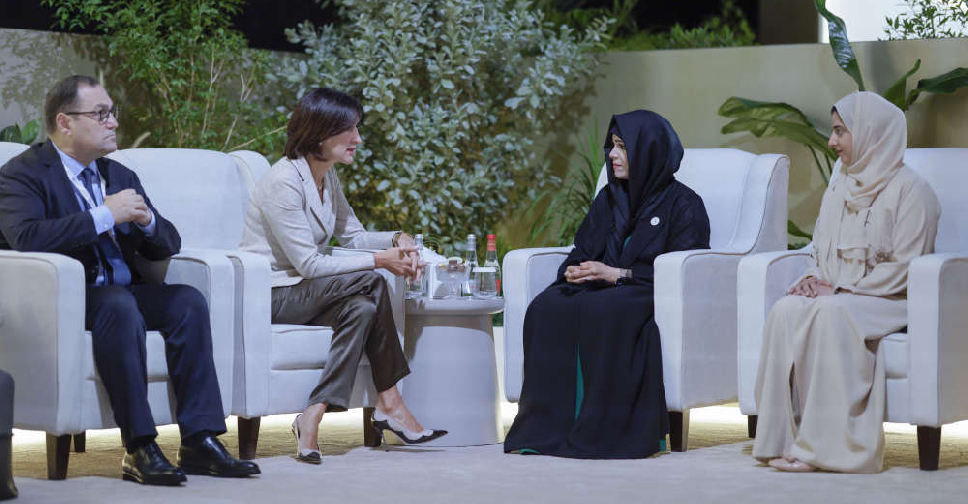 UAE, Georgia explore stronger cultural and media ties
 Abu Dhabi enables healthier food choices across tourism sector
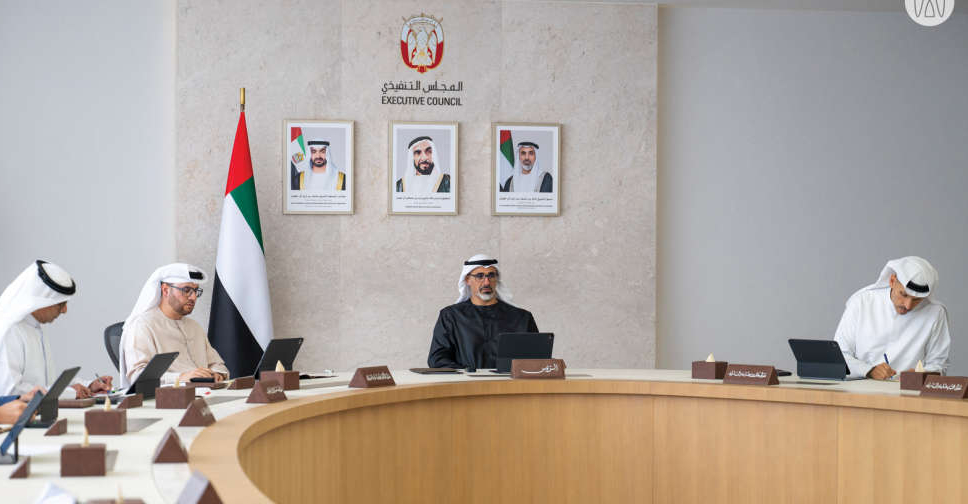 H.H. Sheikh Khaled approves programme to boost IVF success rates
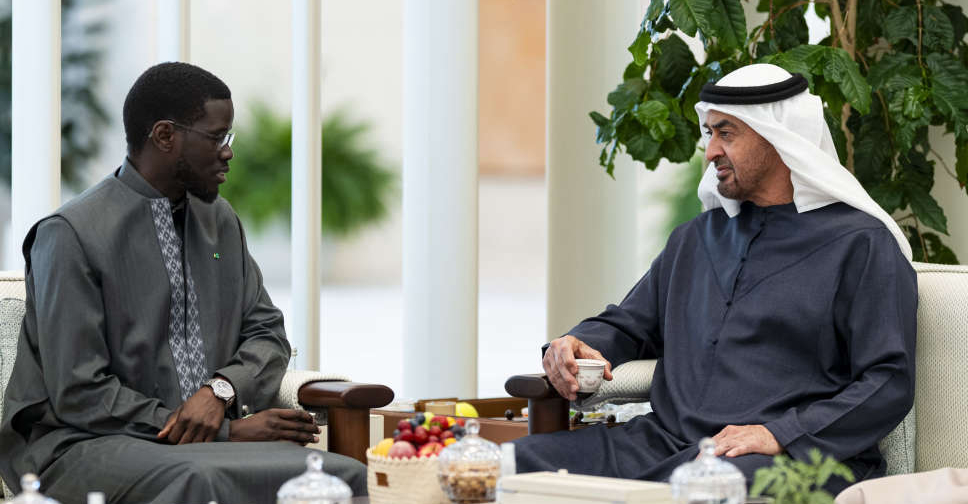 UAE, Senegal Presidents review priorities on water development
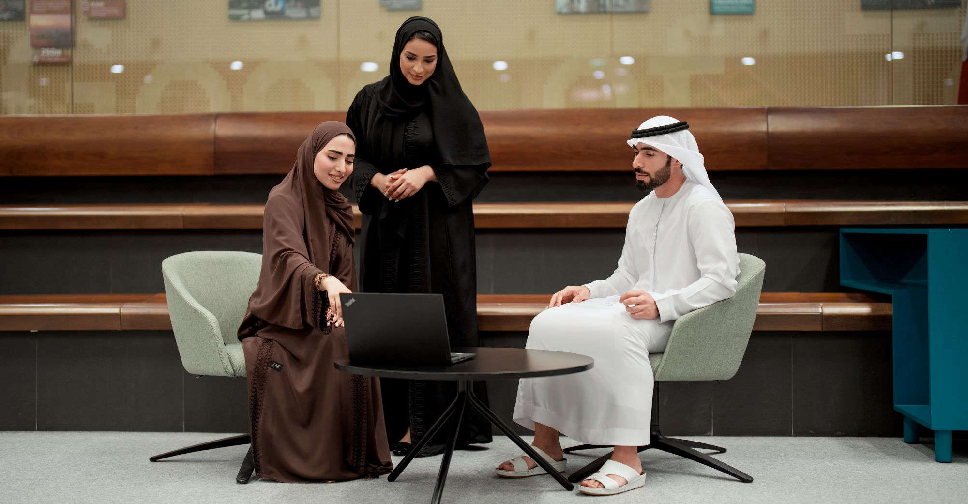 Dubai Holding expands career pathways for UAE Nationals
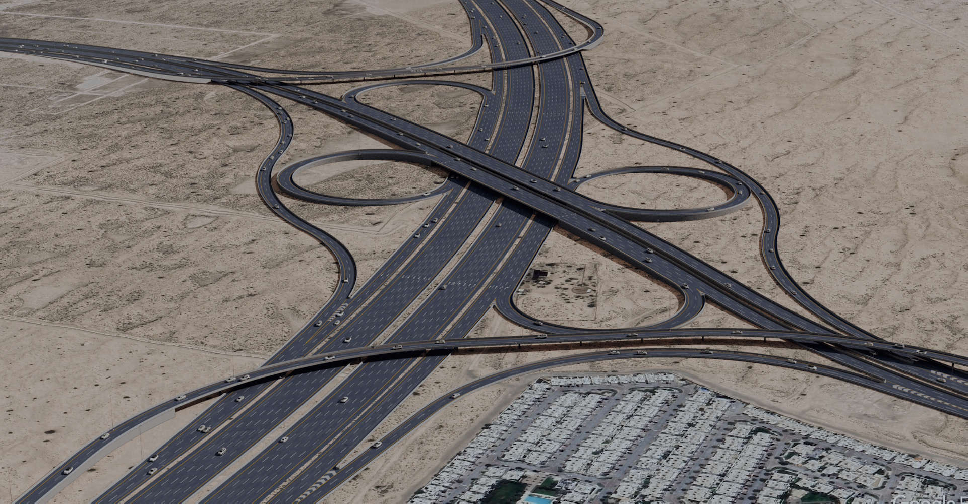 Dubai's new 80km road corridor to boost inter-emirate connectivity
 UAE strongly condemns Houthis' attempted attack on Mecca
 Dubai strengthens cybersecurity dialogue with GISEC Global
 UAE shuts down 200 social media accounts for unlicensed recruitment
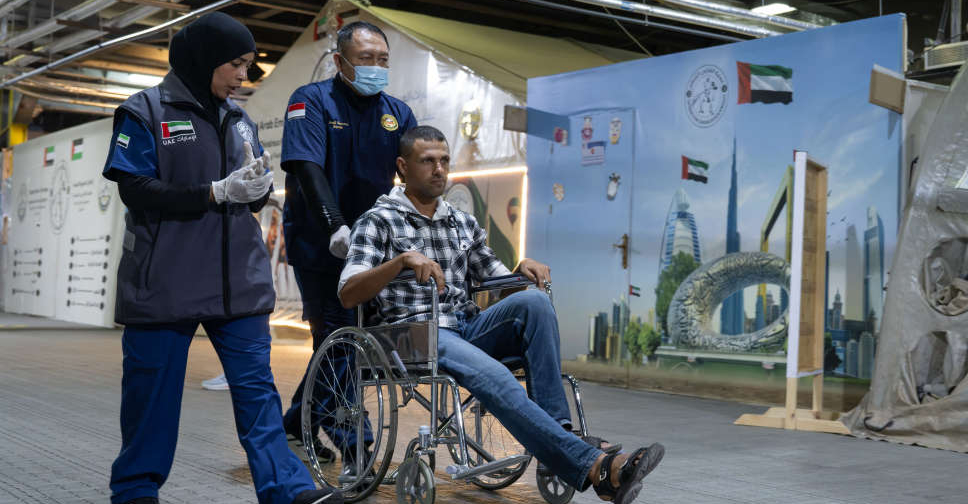 UAE Floating Hospital admits 11 new patients from Gaza
 UAE strongly condemns Houthi attacks on Saudi civilian facilities
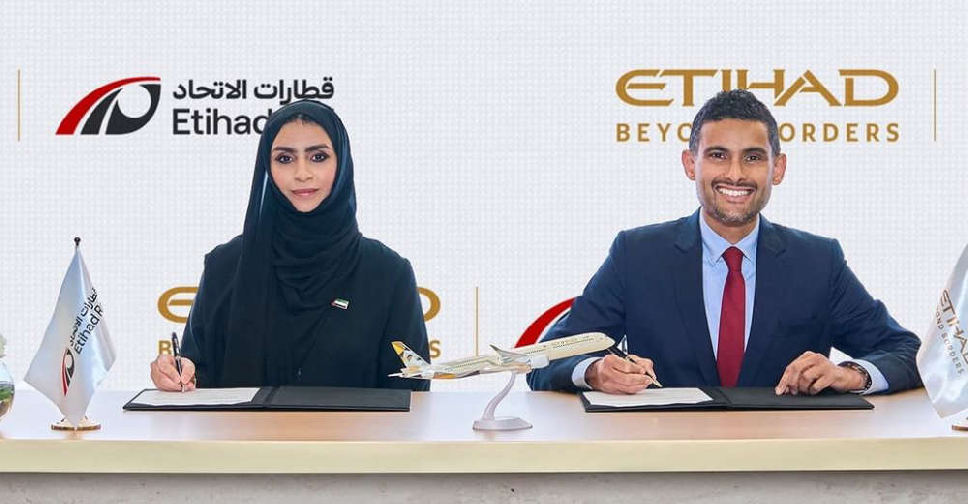 Etihad Airways, Etihad Rail to explore enhanced UAE air-rail transport integration
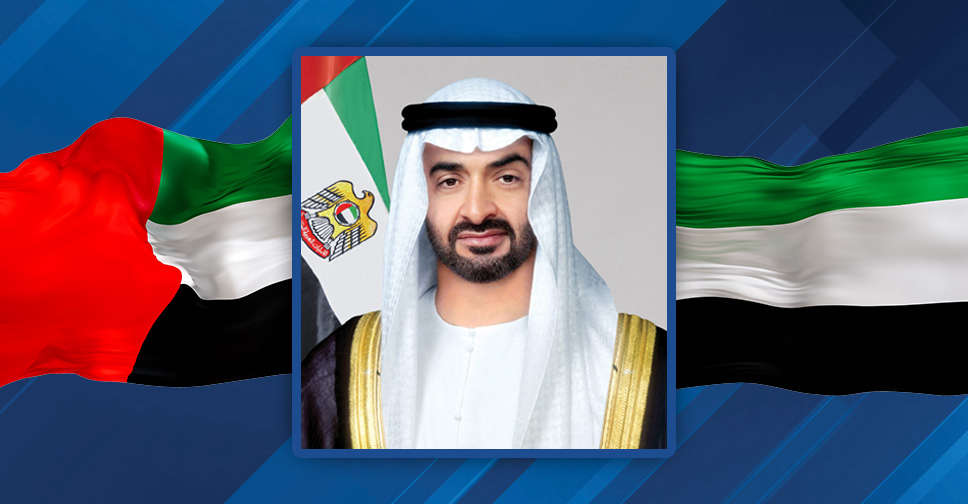 UAE allocates $8 million to support Chad amid El Nino food crisis
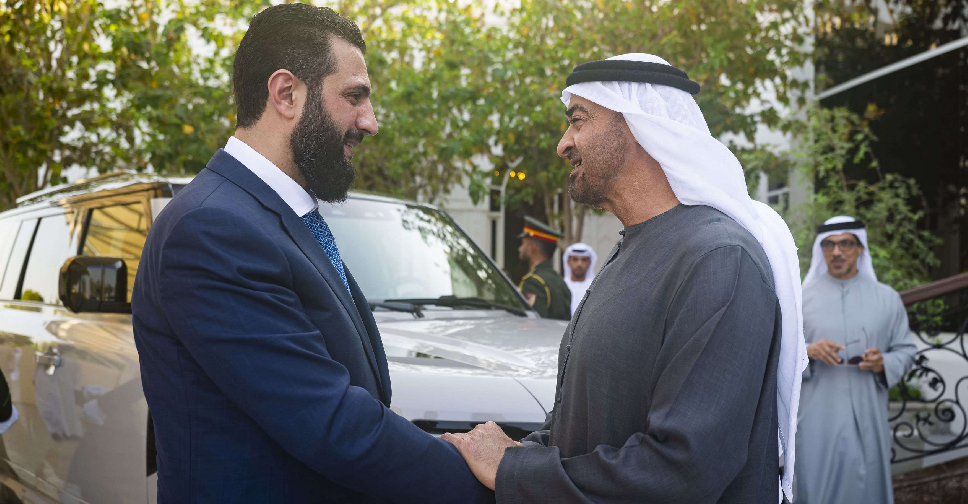 UAE, Syrian Presidents discuss stronger economic and development ties
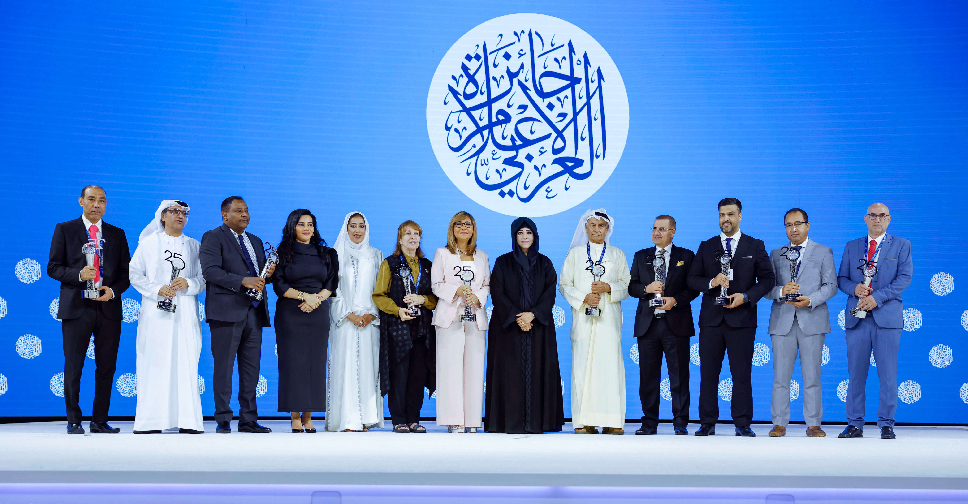 Sheikha Latifa honours Arab Media Award winners
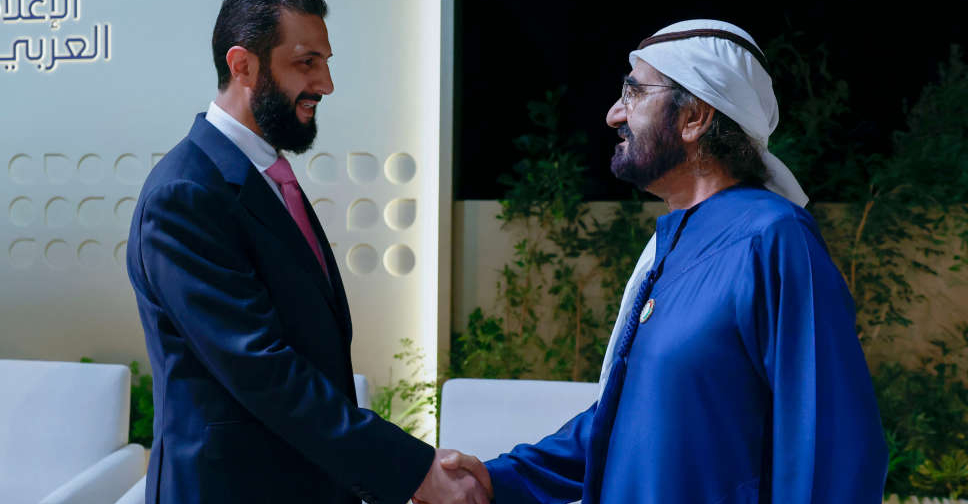 H.H. Sheikh Mohammed reaffirms 'relations with Syria' during meeting with Al-Sharaa
 Abu Dhabi streamlines holiday home regulatory process

