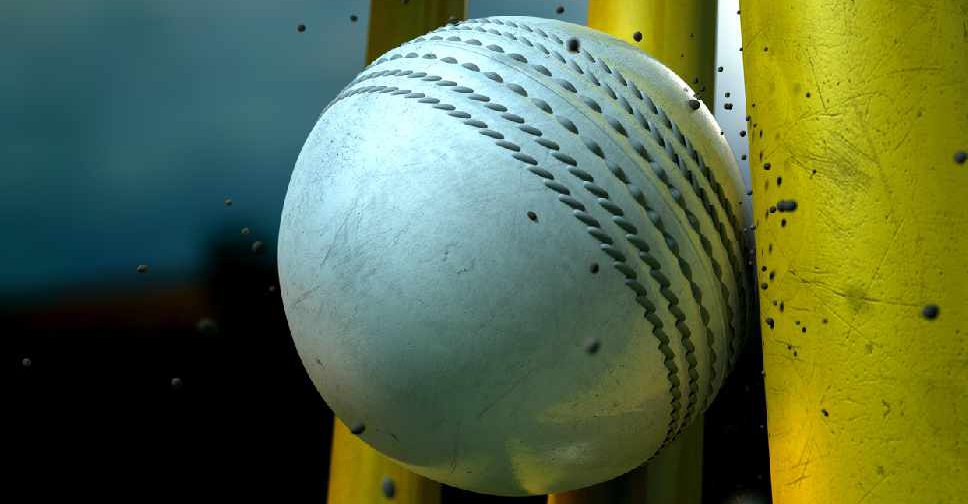
The International Cricket Council (ICC) has permanently banned the use of saliva to polish the ball.
It had temporarily banned the practice to prevent the spread of COVID-19.
"The ban on saliva use has been in place for over two years in international cricket as a COVID-related temporary measure and it is considered appropriate for the ban to be made permanent," an ICC statement said.
It's part of a host of changes announced by the ICC to the playing conditions, which will come into effect on October 1.
The Men's T20 World Cup in Australia next month will be the first to enforce the new rules.
A host of important changes to the Playing Conditions that come into effect at the start of next month 👀https://t.co/4KPW2mQE2U
— ICC (@ICC) September 20, 2022
The main changes are as follows:
Batters returning when caught: When a batter is out Caught, the new batter will come in at the end the striker, regardless of whether the batters crossed prior to the catch being taken.
Previously, in case the batters crossed before a catch was taken, the non-striker would take strike the next ball while the new batter would be at the non-striker's end.
Incoming batter ready to face the ball: An incoming batter will now be required to be ready to take strike within two minutes in Tests and ODIs, while the current threshold of 90 seconds in T20Is remains unchanged.
Previously, the incoming batter had three minutes to take strike in ODIs and Tests but it has now been reduced. Failing to do so, the fielding captain can appeal for timed out.
Striker’s right to play the ball: This is restricted so as to require some part of their bat or person to remain within the pitch. Should they venture beyond that, the umpire will call and signal Dead ball. Any ball which would force the batter to leave the pitch will also be called No ball.
Unfair movement by the fielding side: Any unfair and deliberate movement while the bowler is running in to bowl could now result in the umpire awarding five penalty runs to the batting side, in addition to a call of Dead ball.
Running out of the non-striker: The Playing Conditions follow the Laws in moving this method of effecting a Run out from the ‘Unfair Play’ section to the ‘Run out’ section.
Previously looked down as unfair play, running out a non-striker for backing up too much will now be considered as a regular run-out.
Bowler throwing towards striker’s end before delivery: Previously, a bowler who saw the batter advancing down the wicket before entering their delivery stride, could throw the ball to attempt to Run out the striker. This practice will now be called a Dead ball.
Other major decisions: The in-match penalty introduced in T20Is in January 2022, (whereby the failure of a fielding team to bowl their overs by the scheduled cessation time leads to an additional fielder having to be brought inside the fielding circle for the remaining overs of the innings), will now also be adopted in ODI matches after the completion of the ICC Men’s Cricket World Cup Super League in 2023.
The rule has already been implemented and has cost teams games due to them maintaining a slow over rate, one of the examples being the second match of the 2022 Asia Cup between India and Pakistan.


 Arsenal miss chance to go six points clear with draw at Brentford
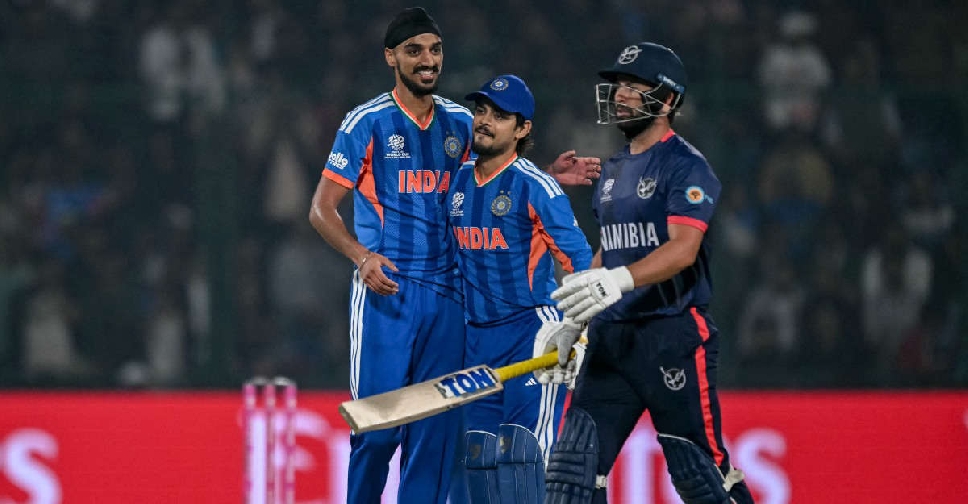 India thump Namibia ahead of Pakistan clash
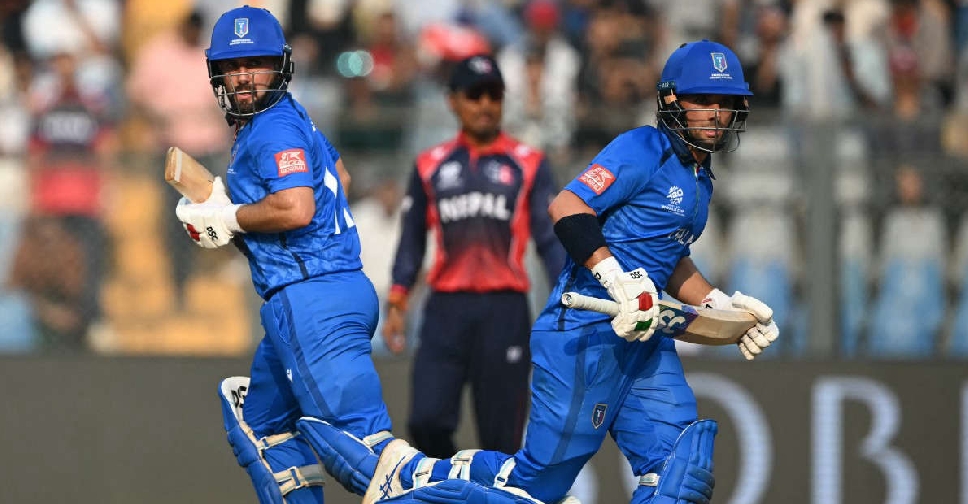 Italy crush Nepal in maiden T20 World Cup victory
 Dubai Duty Free Tennis Championships reveals major expansion plan
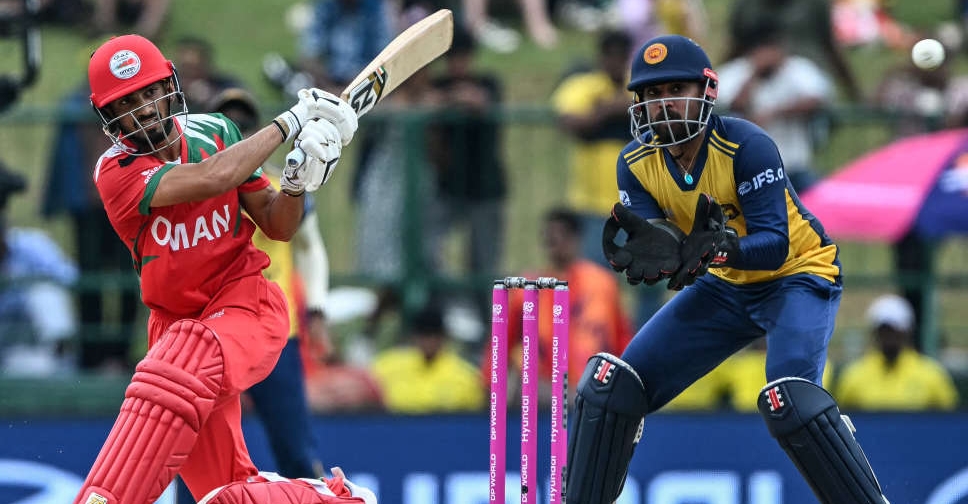 Sri Lanka crush Oman for second victory in T20 World Cup