
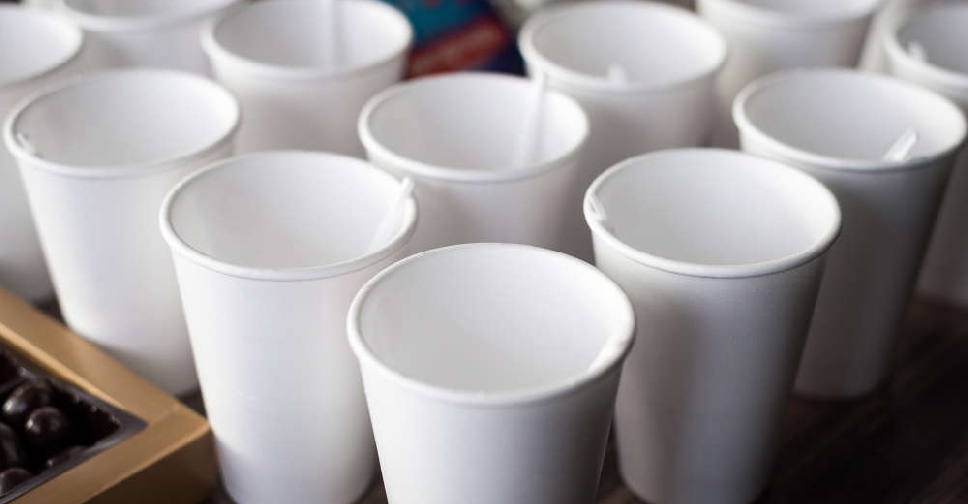
The ban on single-use Styrofoam products in Abu Dhabi comes into effect on Saturday, June 1.
The initiative, led by the Environment Agency – Abu Dhabi (EAD) is part of a policy, which aims to reduce the reliance on single-use products that are harmful to the environment.
The list of banned Styrofoam products includes cups, lids, plates and beverage containers made of expanded polystyrene.
Food container vessels for products that are intended for immediate consumption, either on the spot or for takeaway, and containers that have a product that is typically consumed from the receptacle and is ready to be consumed without any further preparation such as cooking, boiling, or heating, will also be prohibited.
The products exempt from the ban include those not designed for single-consumer use, such as large storage boxes and coolers, and trays used for meat, fruit, ready-made dairy products, and other food items for retail sale.
Additionally, all other products designed for medical uses are also exempted.
"Inspired by the success of the ban on single-use plastic bags, we expect to see emirate-wide compliance and collaboration from our stakeholders in the government and private sector, as we know that by working together we will witness the best results. I also expect the community to play a critical role in ensuring the ban is a success," said Dr. Shaikha Salem Al Dhaheri, Secretary General of EAD.
"We have been very selective in choosing which Styrofoam products will be banned to facilitate business continuity and comfort for consumers. All the products that are prohibited have accessible alternatives," she added.
To ensure providing best possible conditions for doing business and preserving the environment, the Abu Dhabi Department of Economic Development (ADDED) is supporting EAD’s move by raising awareness among commercial outlets and industrial facilities in the emirate to comply with the policy.
ADDED has shared the circular on Styrofoam ban with more than 50,000 commercial establishments and 80 industrial facilities involved in plastic manufacturing.
It's also set to conduct field inspections targeting sales outlets and industrial establishments to ensure the implementation of the ban across Abu Dhabi, based on a specified timetable.
The EAD announced the Abu Dhabi Single-Use Plastic Policy in 2020 and, in 2022, issued a ban on single-use plastic bags in partnership with retailers.
In 2023, EAD, in collaboration with the government and private sector, introduced reverse vending machines for single-use plastic bottles to nurture a culture of recycling.

 H.H. Sheikh Hamdan awards Arab Hope Makers
 UAE looks into framework to regulate children's social media use
 UAE Ramadan moon-sighting committee to meet on Tuesday
 RTA opens second bridge at Al Qudra intersection
 Abu Dhabi identifies over 40 modern heritage sites
 Distribution of aid from UAE's Saqr Humanitarian Ship begins in Gaza
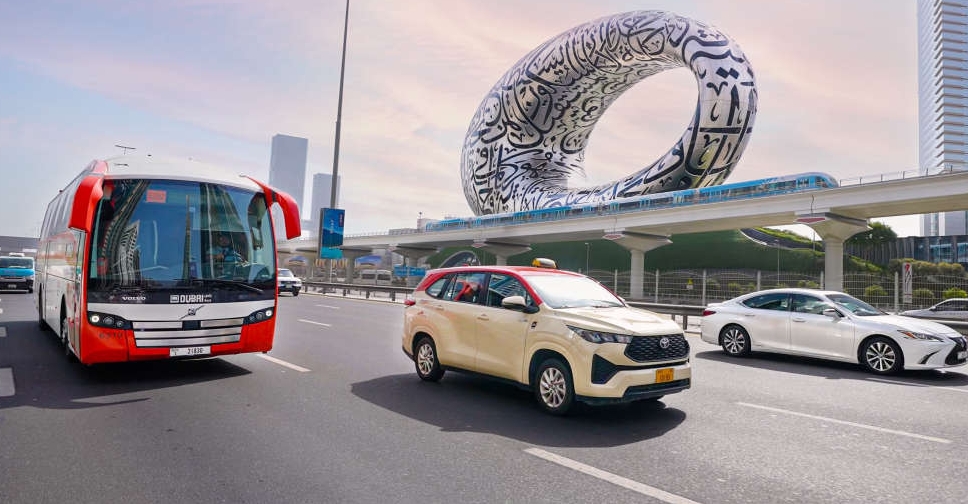 Dubai to expand bus and taxi lanes as public transport ridership grows by 7.4%
 Emir of Qatar welcomed by UAE President on visit to Abu Dhabi
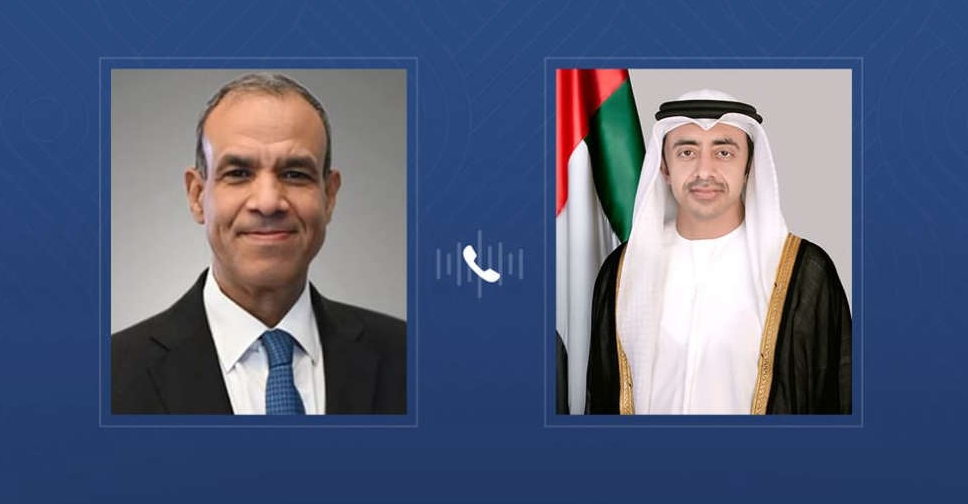 UAE, Egypt Foreign Ministers discuss Gaza peace plan
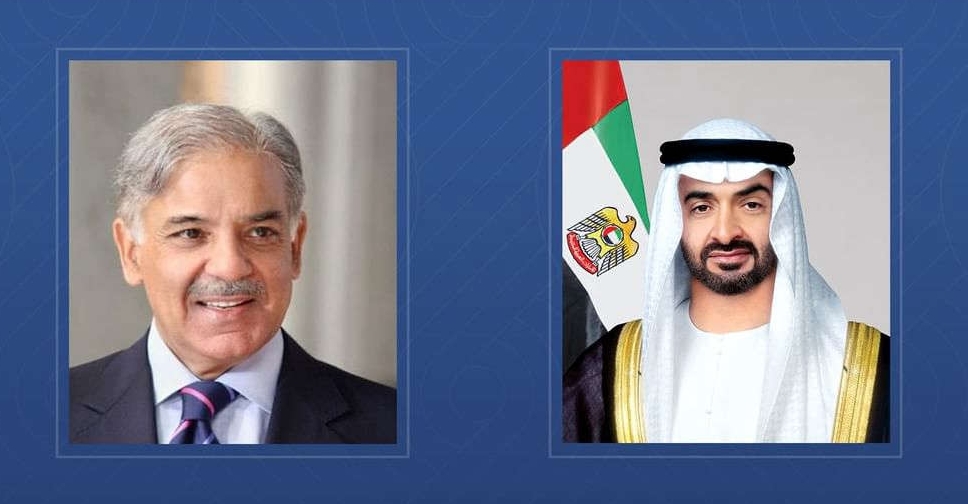 UAE, Pakistan leaders discuss boosting economic ties
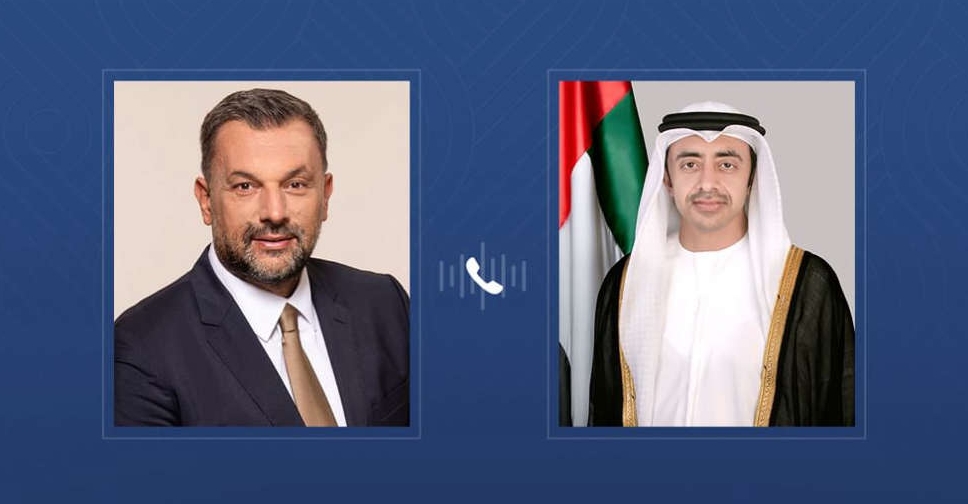 UAE, Bosnia FMs discuss strengthening bilateral relations
 H.H. Sheikh Mohammed launches campaign to rescue 5 million children from hunger
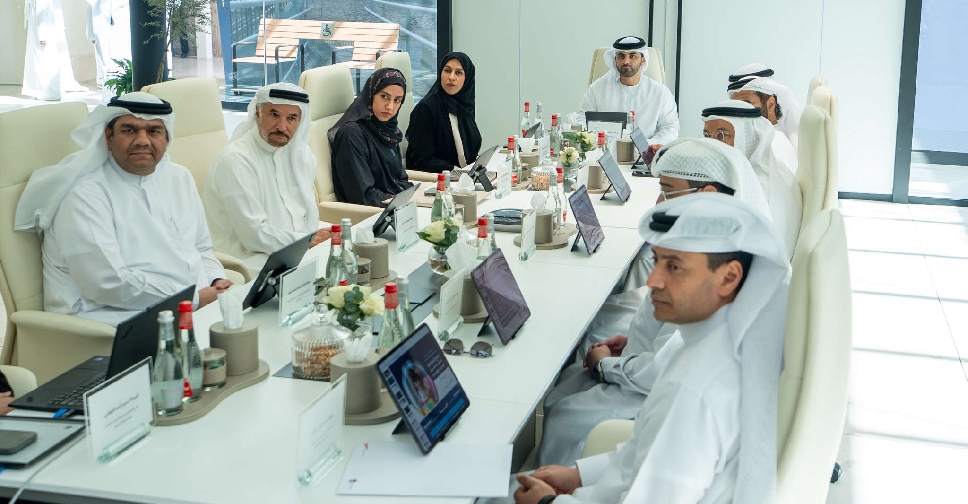 Dubai advances measures to support people of determination
 Abu Dhabi Crown Prince to lead UAE delegation at AI Impact Summit in India
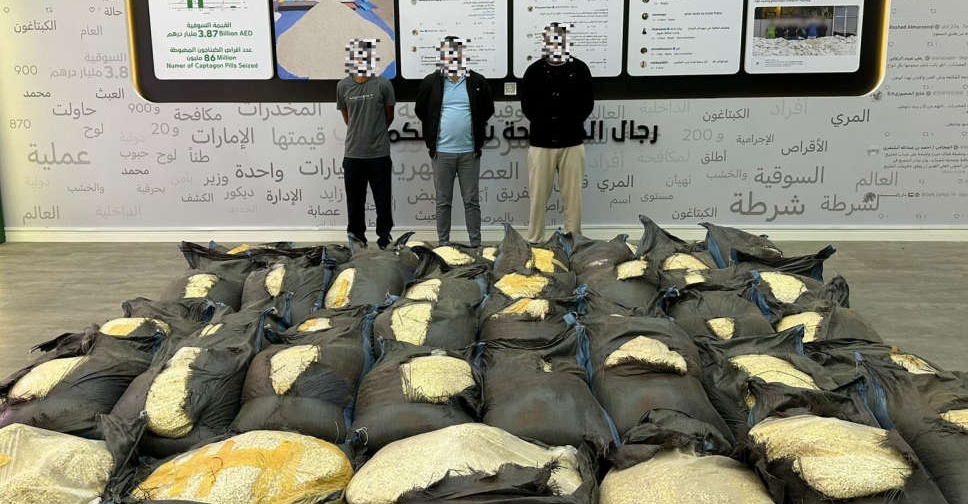 Over 14 million Captagon pills, hidden in grain sacks, seized in UAE–Kuwait operation
 Remote learning on Fridays during Ramadan for UAE public schools
 UAE clarifies enrollment rules for British curriculum schools
 UAE announces temporary road closures in Al Dhaid
 Umm Al Emarat aid ship sets sail for Gaza Strip
 UAE announces Ramadan working hours for private sector

