

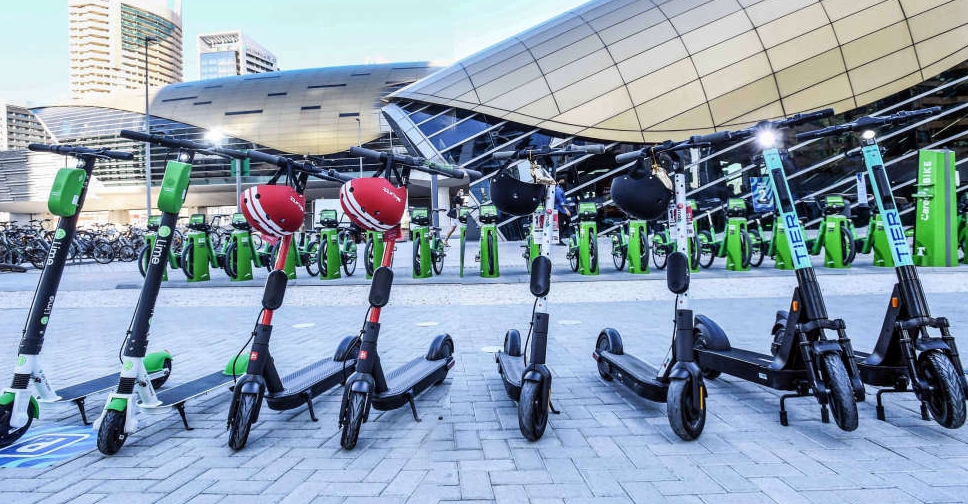
Shared electric scooters in Dubai logged nearly one million trips last year, which is double the number recorded in 2021.
According to the Roads and Transport Authority (RTA), more than 557,000 riders used the service in 2022, and the satisfaction rate hit 76 per cent.
The authority also revealed that it issued 50,000 e-scooter riding permits through its online platform, which was launched in April 2022.
Shared E-scooters in #Dubai made about one million trips in 2022, and in the process, they doubled the number recorded in 2021, which amounted to 500,000 trips, all without sustaining fatalities or severe injuries.https://t.co/6pqh6VIL3f pic.twitter.com/Dr3FzwZjoa
— RTA (@rta_dubai) March 15, 2023
The initial phase of constructing e-scooter tracks covered Sheikh Mohammed bin Rashid Boulevard, Jumeirah Lakes Towers, Dubai Internet City, Al Rigga, 2nd of December Street, Palm Jumeirah, and City Walk.
It also covered specific zones in Al Qusais, Al Mankhool, in addition to dedicated tracks for bikes and e-scooters across Dubai, excluding the cycling tracks at Saih Assalam, Al Qudra, and Meydan.
From the first quarter of 2023, the RTA permitted the use of e-scooters in 11 new residential areas in the emirate, taking the total number of locations covered to 21, and the length of tracks increasing from 185 km to 390 km.
The new areas where the use of e-scooters is permitted are Al Tawar 1, Al Tawar 2, Umm Suqeim 3, Al Garhoud, Muhaisnah 3, Umm Hurair 1, Al Safa 2, Al Barsha South 2, Al Barsha 3, Al Quoz 4, and Al Qusais 3.


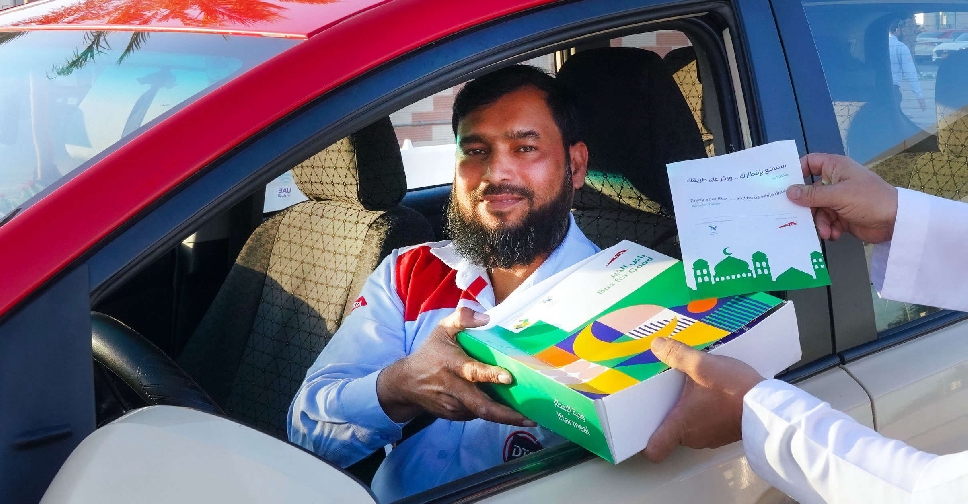 Dubai steps up Ramadan road safety efforts
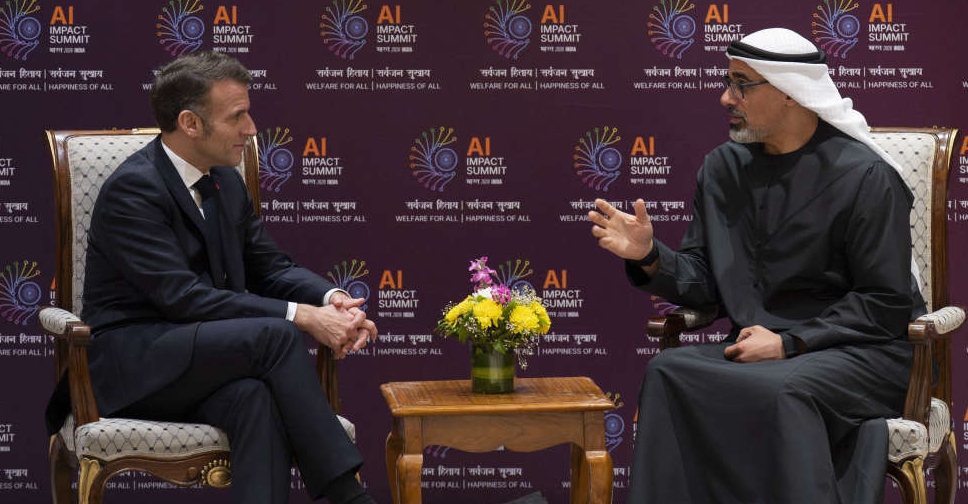 H.H. Sheikh Khaled holds talks with Macron at India's AI Summit
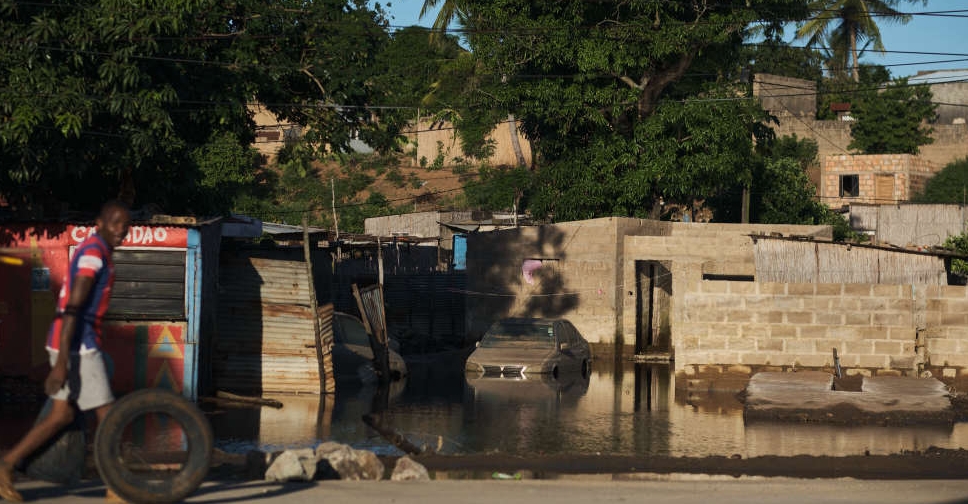 UAE sends emergency aid to flood-hit communities in Mozambique
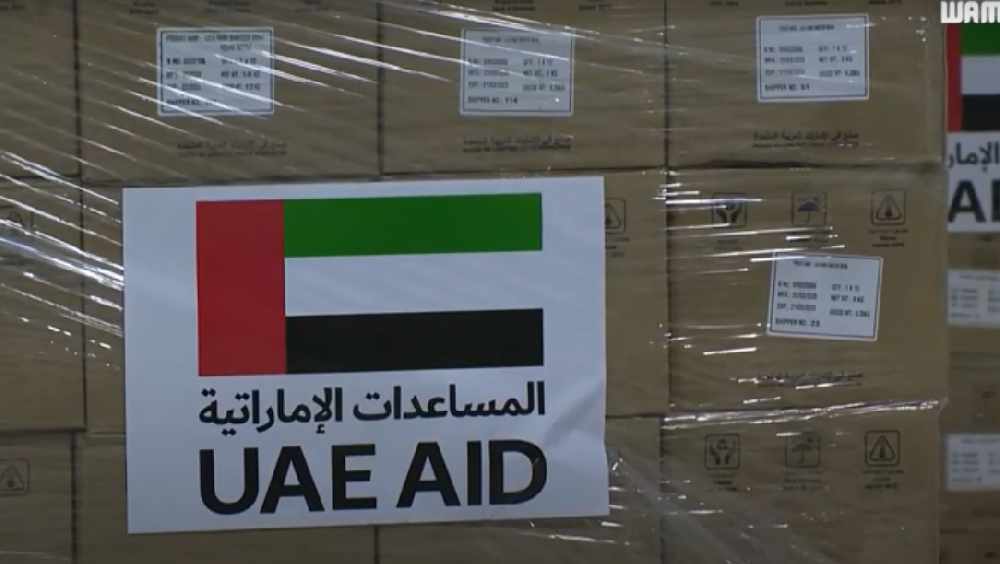 UAE launches Gaza air bridge during Ramadan
 UAE sets up first scientific laboratories at Bulgarian Antarctic Base
 Dubai Cares launches campaign to support school meals programme in Africa
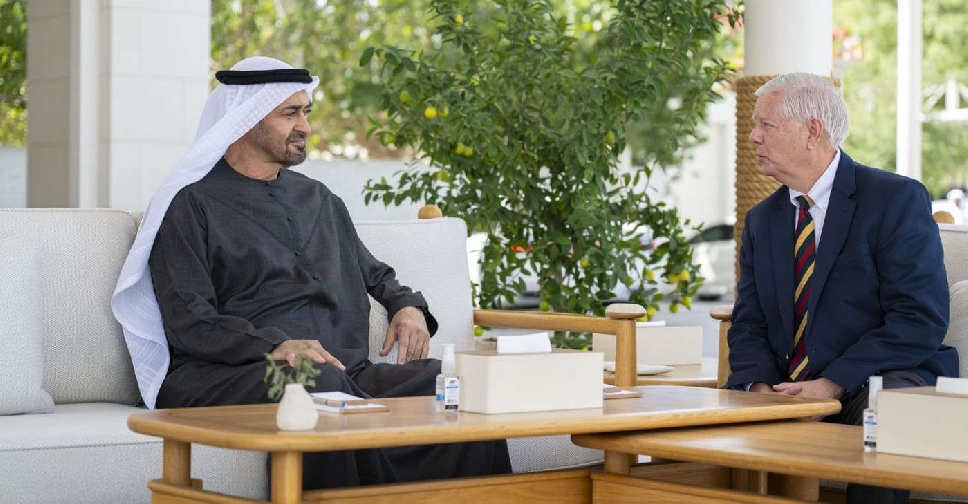 UAE President, US Senator discuss strategic ties
 Abu Dhabi launches Ramadan initiative to provide sustainable orphan care
 Road closures announced for Stage 4 of UAE Tour 2026
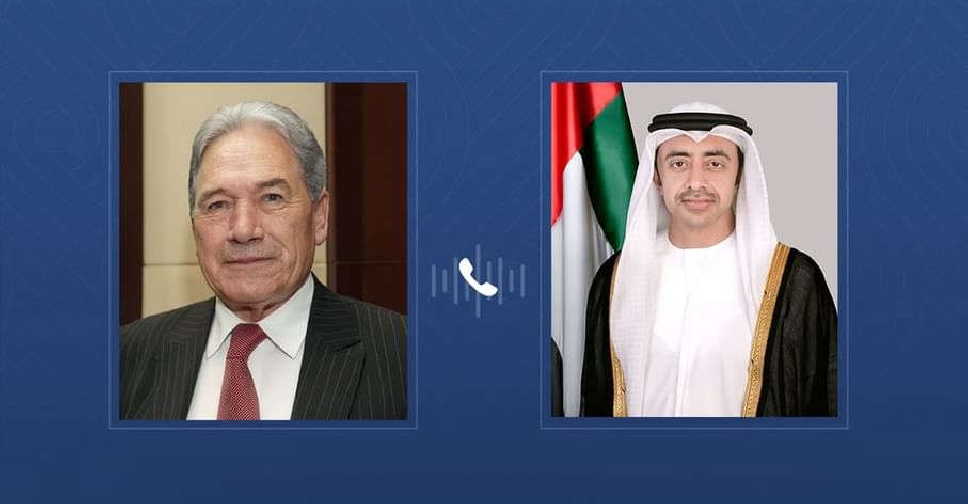 UAE, New Zealand finance ministers discuss strengthening ties
 UAE announces partial road closure on Emirates Road
 Dubai boosts status as global healthcare hub with strong 2025 growth
 H.H. Sheikh Mohammed pardons 1,856 prisoners
 UAE President pardons 1,440 prisoners
 Dubai exempts 316 citizens from housing loan repayments
 Here's how you can contribute to UAE's 'Edge of Life' campaign
 Dubai Holding unveils 3rd edition of 'Gift it Forward' Ramadan initiative
 UAE Floating Hospital offers hope to Palestinian child with rare genetic condition
 UAE leaders share Ramadan greetings on social media
 UAE confirms first day of Ramadan

