

The United Nations Environment Programme and concerned officials have been running meetings in Dubai in an attempt to get rid of Hydrofluorocarbons also known as HFCs. HFCs which are found in products such as air conditioners and refrigerators, pose a bigger risk than carbon dioxide or methane as they cause more damage to the planet. Durwood Zaelke, President of the Institute for Governance and Sustainable Development spoke with ARN about the type of impact, phasing out these artificial chemicals would have on the environment.
Listen
As the five day meetings wrap up today, Zaelke adds that experts and officials are hoping to leave Dubai with at least an agreement in place on the elimination of HFCs.
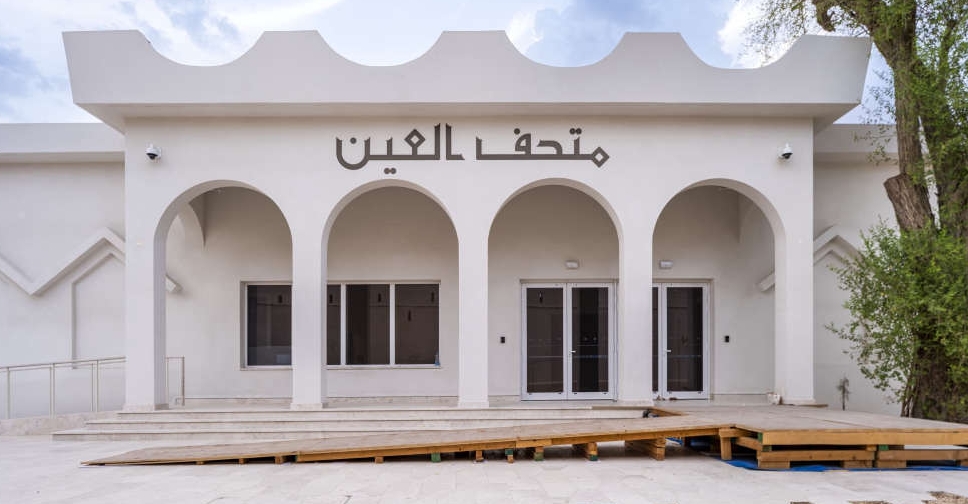 Abu Dhabi identifies over 40 modern heritage sites
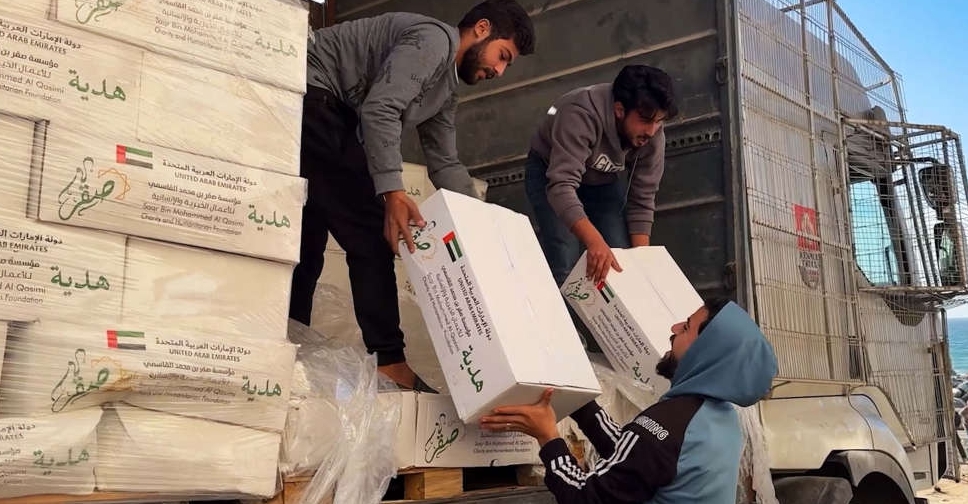 Distribution of aid from UAE's Saqr Humanitarian Ship begins in Gaza
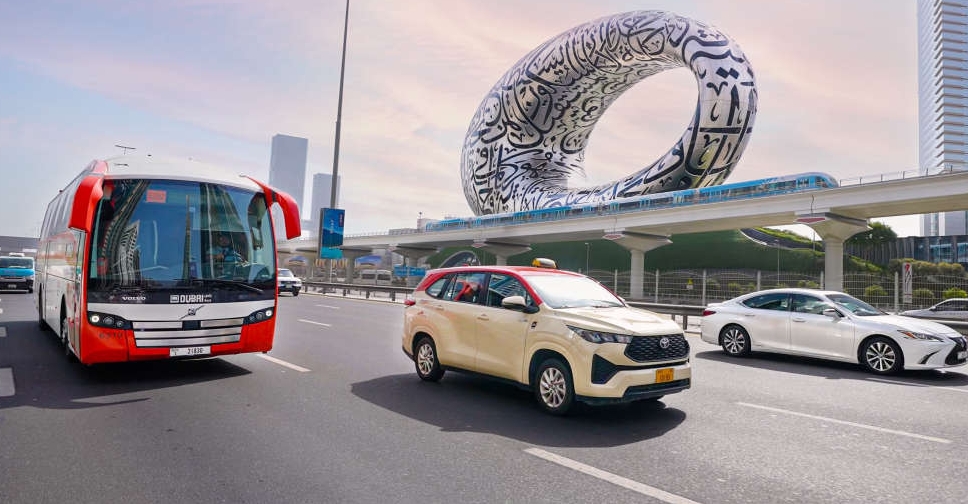 Dubai to expand bus and taxi lanes as public transport ridership grows by 7.4%
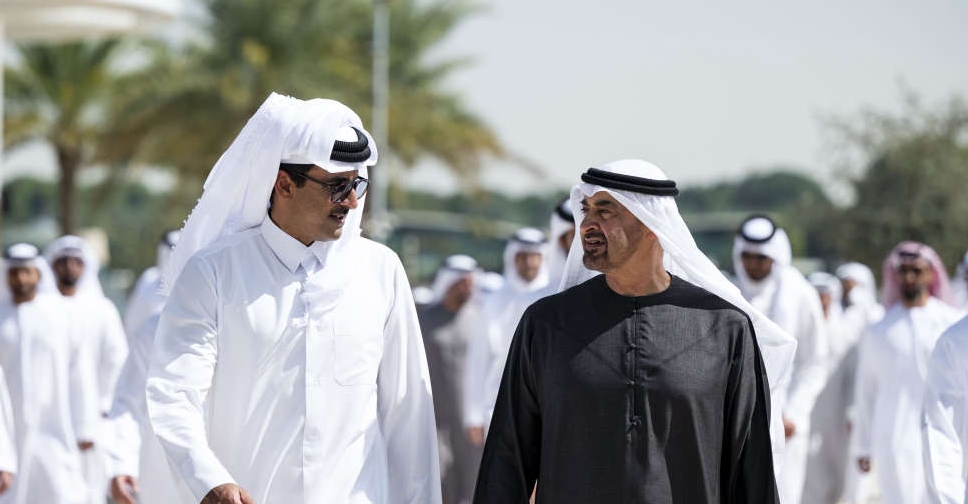 Emir of Qatar welcomed by UAE President on visit to Abu Dhabi
 UAE, Egypt Foreign Ministers discuss Gaza peace plan
 UAE, Pakistan leaders discuss boosting economic ties
 UAE, Bosnia FMs discuss strengthening bilateral relations
 H.H. Sheikh Mohammed launches campaign to rescue 5 million children from hunger
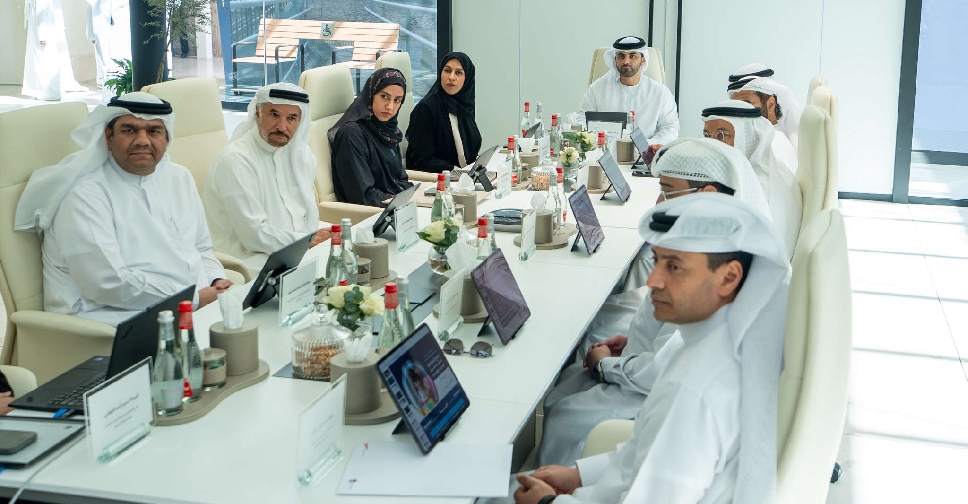 Dubai advances measures to support people of determination
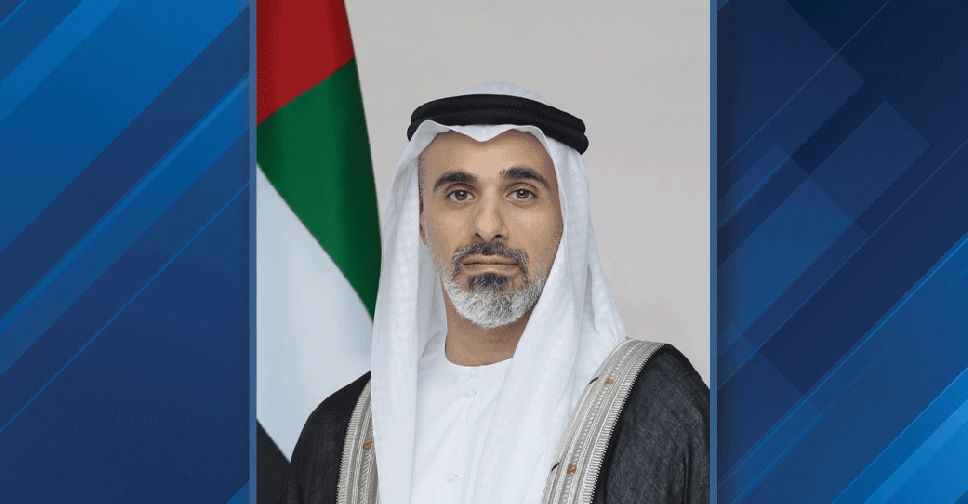 Abu Dhabi Crown Prince to lead UAE delegation at AI Impact Summit in India
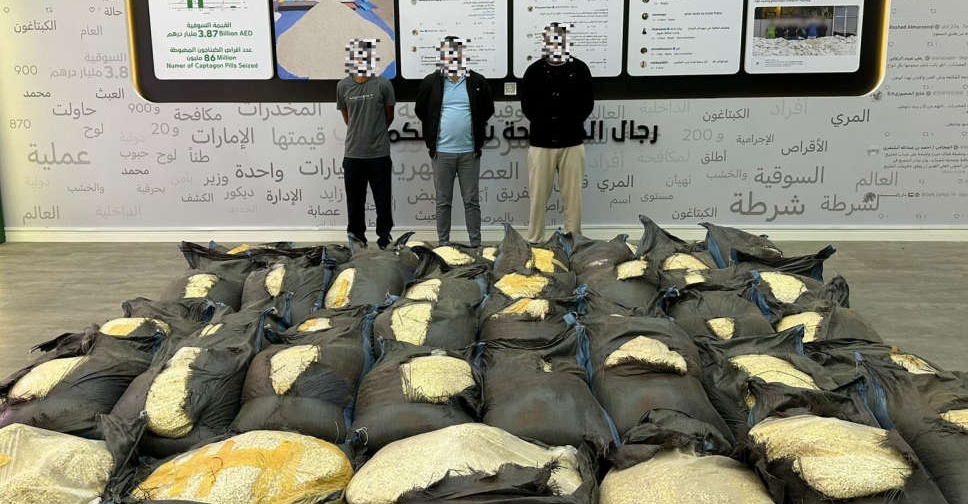 Over 14 million Captagon pills, hidden in grain sacks, seized in UAE–Kuwait operation
 Remote learning on Fridays during Ramadan for UAE public schools
 UAE clarifies enrollment rules for British curriculum schools
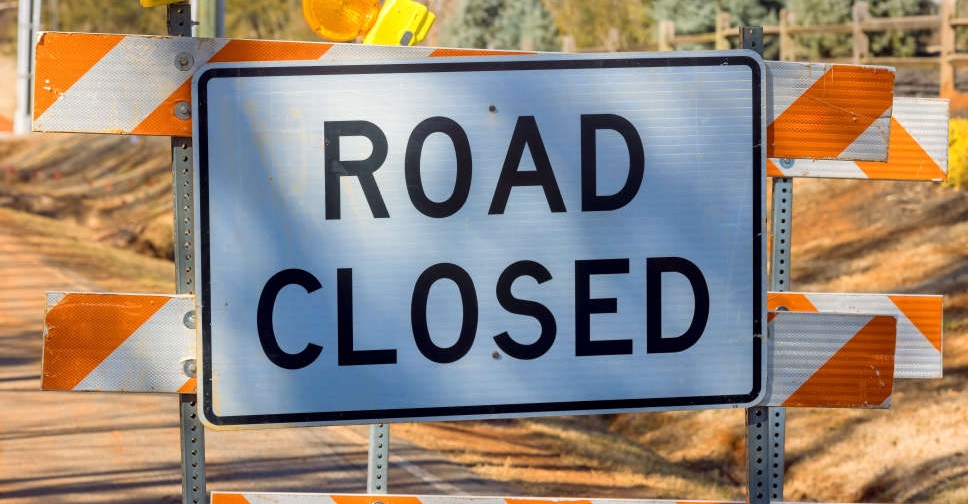 UAE announces temporary road closures in Al Dhaid
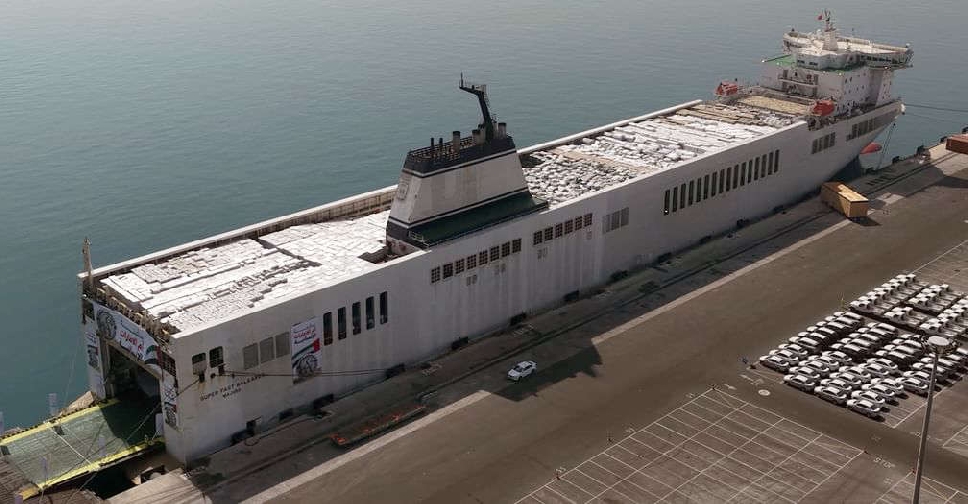 Umm Al Emarat aid ship sets sail for Gaza Strip
 UAE announces Ramadan working hours for private sector
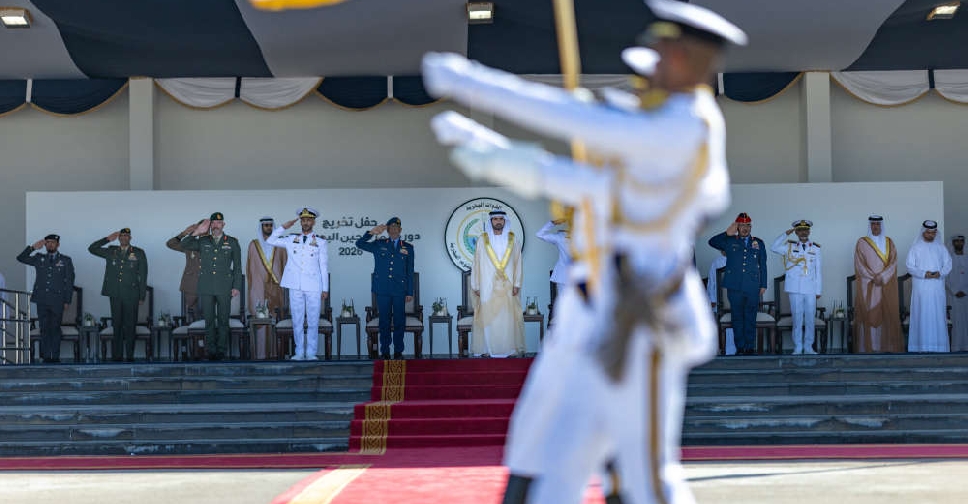 H.H. Sheikh Hamdan highlights nation’s defence vision at naval college ceremony
 Members of UAE's National Identity Committee unveiled
 Ramadan working hours confirmed for UAE public sector
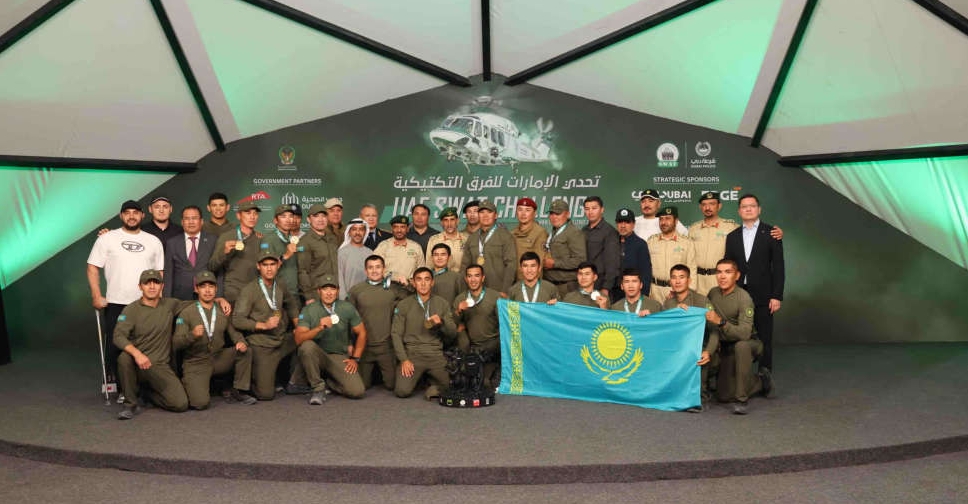 Kazakhstan crowned champions of UAE SWAT Challenge 2026

