
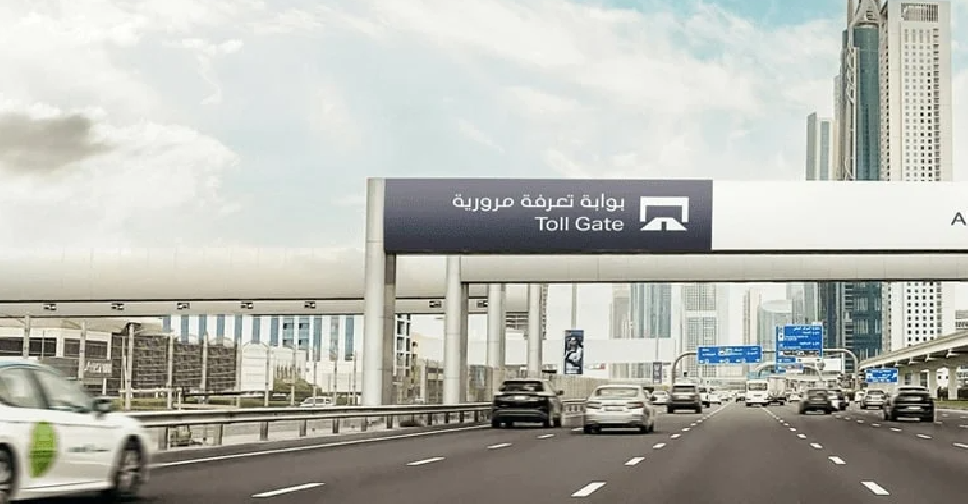
The introduction of variable Salik rates from January this year has helped reduce traffic flow on Sheikh Zayed Road by 9 per cent, new data released by the Roads and Transport Authority (RTA) has revealed.
Presented during an RTA workshop titled ‘Connecting Bridges’, the stats showed that "several measures have already been introduced" to improve traffic flow including "flexible working hours, remote work policies, dynamic road and parking tariffs, and broader restrictions on heavy vehicle movement".
With the population of the city set to reach eight million by 2040, Mattar Al Tayer, Director General, Chairman of the Board of Executive Directors of the RTA, emphasised that tackling rising traffic density requires a focus on sustainable, long-term solutions. Key among these is improving traffic flow efficiency by 20-30 per cent.
Al Tayer further emphasised that expanding the use of big data and AI will help better understand community needs and offer sustainable, long-term solutions.
Over the next three years, the RTA will deliver more than 30 strategic road and transport projects, with a total investment exceeding AED 40 billion, to keep pace with Dubai’s rapid growth. This includes the Dubai Metro Blue Line, which will serve nine key districts expected to accommodate around one million residents by 2040, and additional corridor enhancements to support a population projected to reach eight million by 2040.
Attended by His Highness Sheikh Hamdan bin Mohammed bin Rashid Al Maktoum, Crown Prince of Dubai, Deputy Prime Minister and Minister of Defence, the workshop brought together participants from 50 government and private-sector entities to work together on road infrastructure and mobility services.
Some of the major roadblocks
Outlining the main factors contributing to traffic density, Al Tayer cited that Dubai’s annual population growth rate at 6 per cent significantly outpaced the global average of 1.1 per cent. Vehicle ownership has also increased, with the number of registered vehicles reaching 2.5 million in 2024.
Additional factors like diverse driving behaviours shaped by the city’s multicultural population, limited trip planning, and a general lack of awareness around peak travel hours have also contributed.
Despite this rise in traffic volumes, Dubai continues to outperform several global cities, including Singapore, London, Sydney, and Montreal, in average travel time, according to annual traffic analysis reports by TomTom.

 UAE, Bahrain coordinate 100‑tonne Gaza aid shipment
 Child’s quad bike ride lands parent in legal trouble
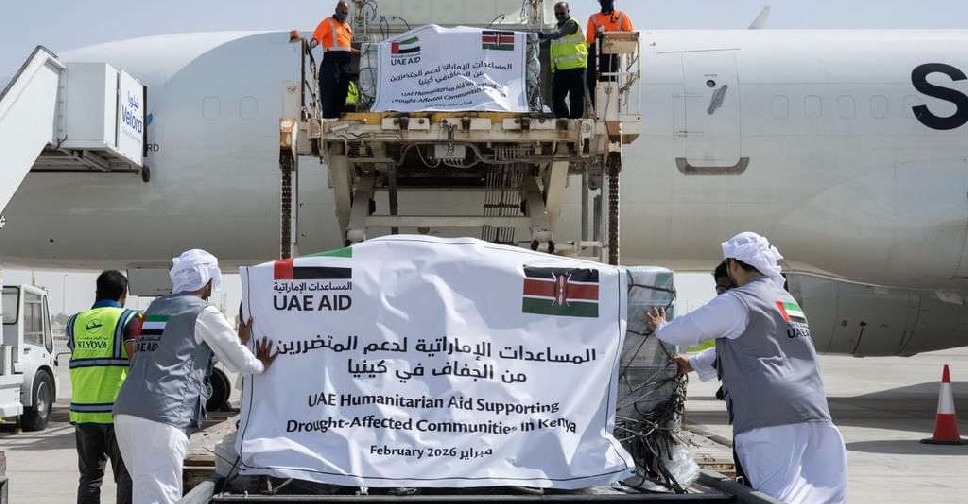 UAE sends 30 tonnes of aid to drought-hit Kenya
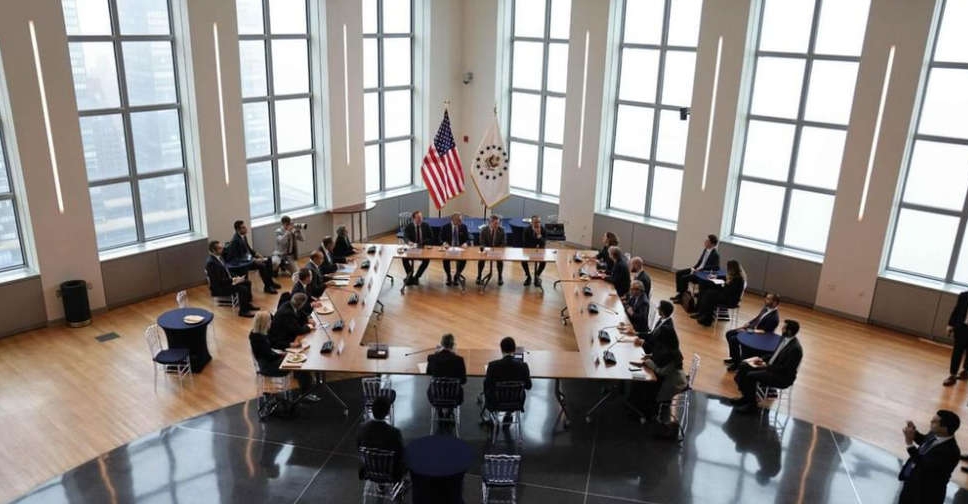 UAE calls for end to crisis in Sudan at Quad meeting in New York
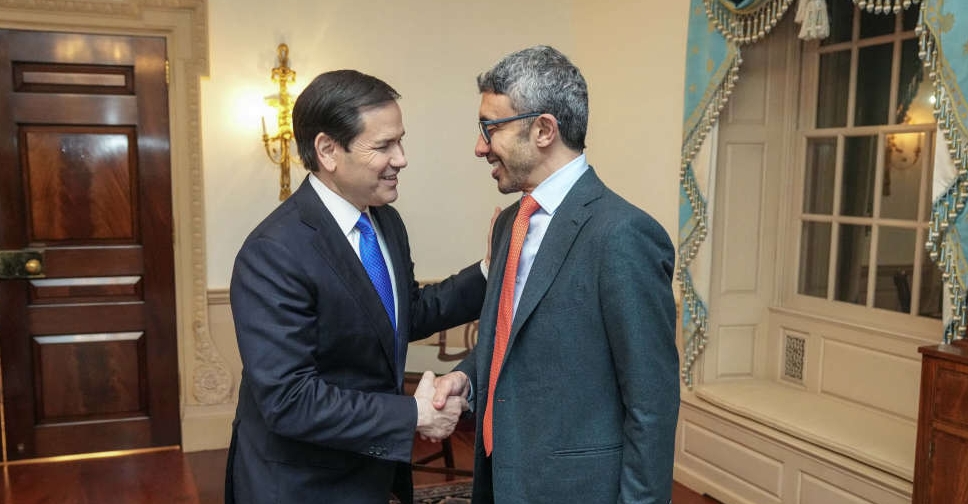 Sheikh Abdullah discusses strategic ties with US Secretary Marco Rubio
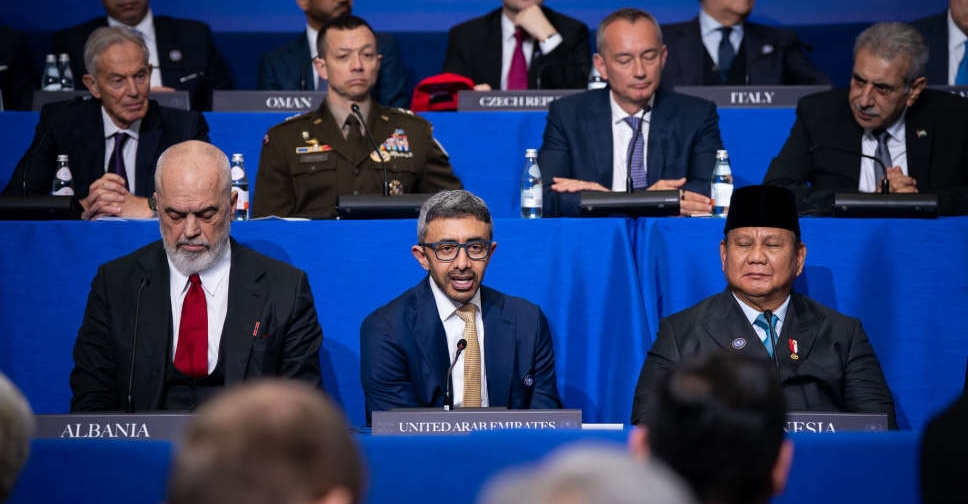 UAE pledges $1.2 billion to support Gaza through Board of Peace
 Road closures announced in Dubai for UAE Tour 2026
 UAE to host AI Impact Summit in 2028
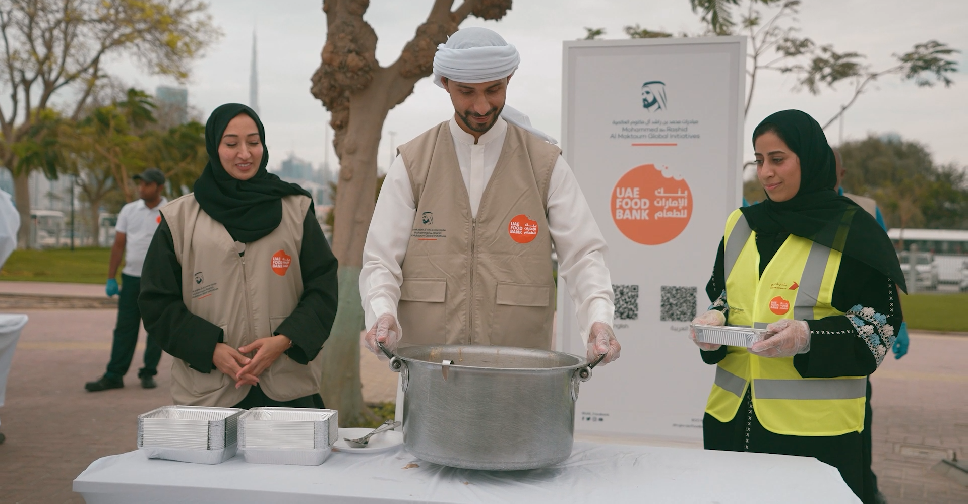 UAE Food Bank to distribute 8 million meals during Ramadan
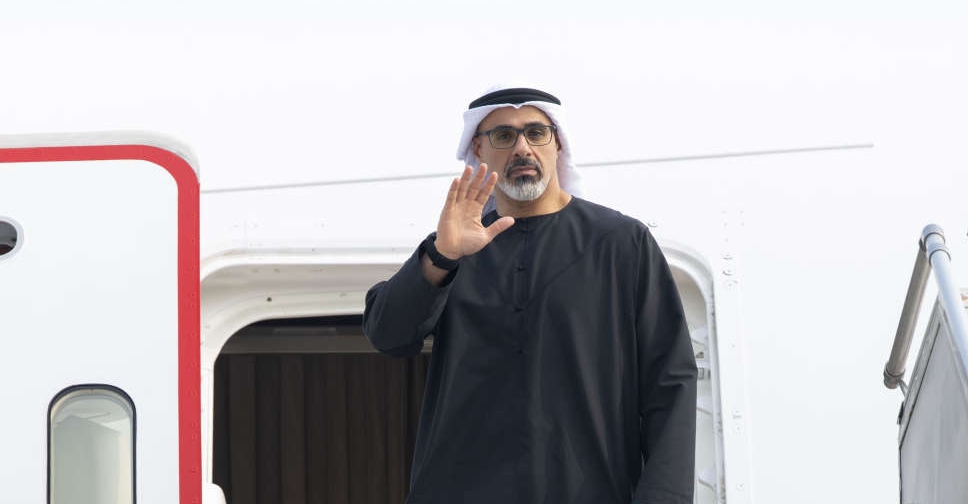 H.H. Sheikh Khaled concludes visit to India's AI Impact Summit
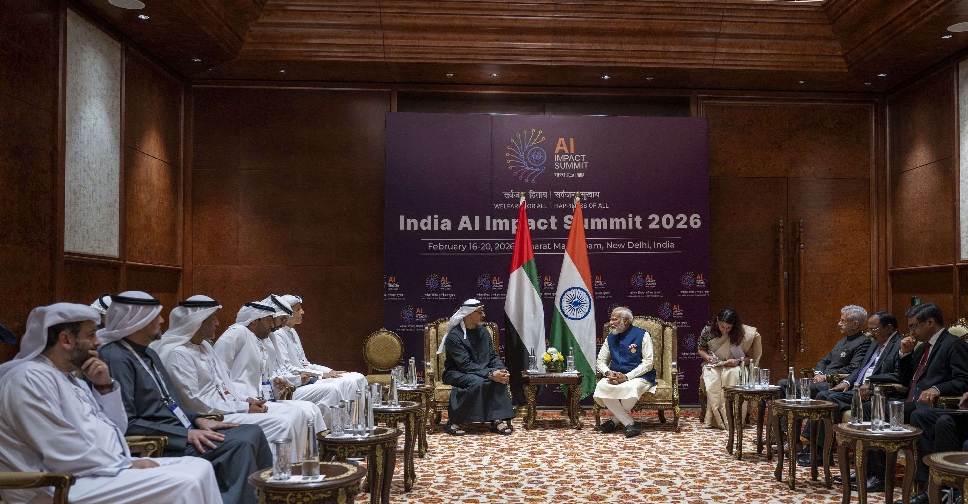 Abu Dhabi Crown Prince and Indian PM discuss economic, tech partnerships
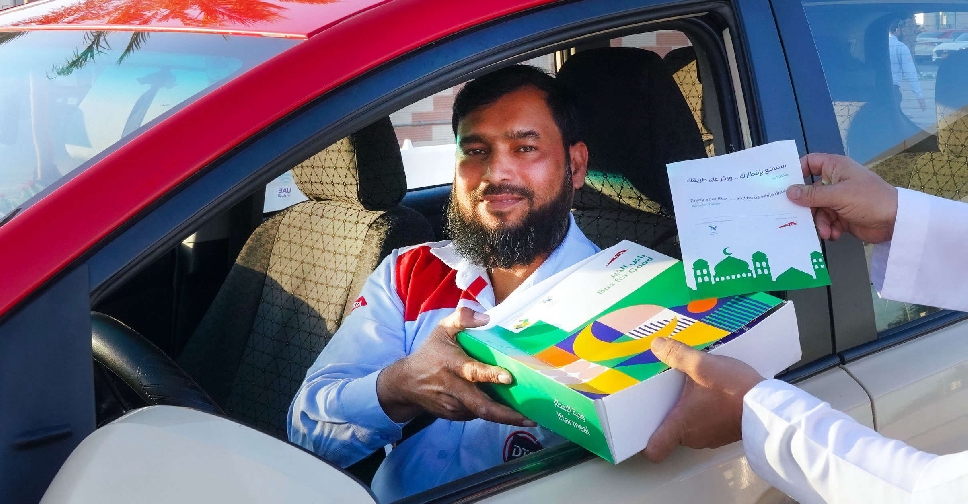 Dubai steps up Ramadan road safety efforts
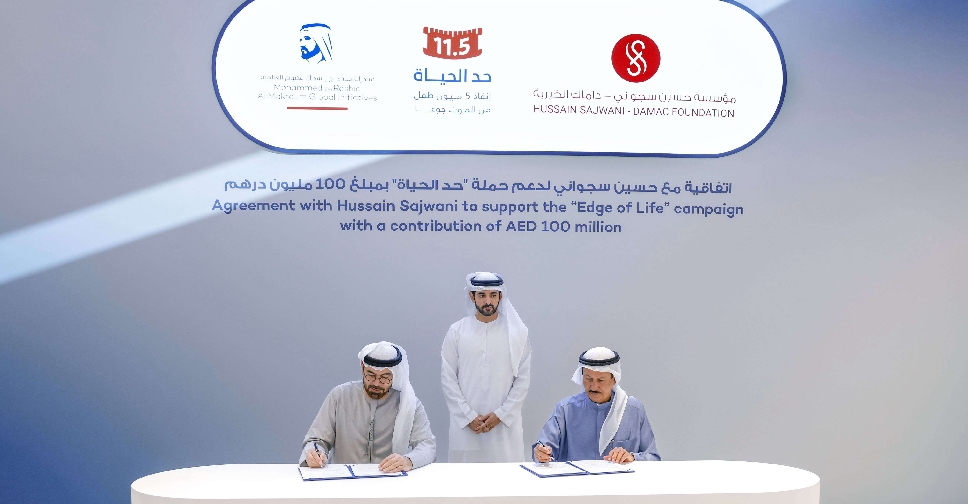 'Edge of Life' campaign receives AED 100 million boost
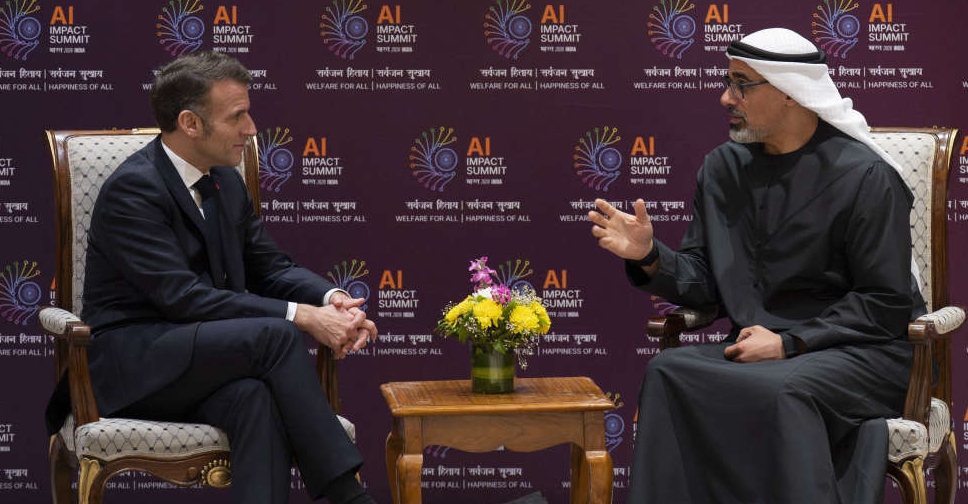 H.H. Sheikh Khaled holds talks with Macron at India's AI Summit
 UAE sends emergency aid to flood-hit communities in Mozambique
 UAE launches Gaza air bridge during Ramadan
 UAE sets up first scientific laboratories at Bulgarian Antarctic Base
 Dubai Cares launches campaign to support school meals programme in Africa
 UAE President, US Senator discuss strategic ties
 Abu Dhabi launches Ramadan initiative to provide sustainable orphan care

